Zimbabwe culture family travel Ndebele Shona: why heritage belongs in your itinerary
Zimbabwe culture family travel Ndebele Shona is not a slogan, it is a way to frame every day of your trip. In this country where the Shona people make up about 70 percent of the population and the Ndebele community adds another significant strand, luxury hotels can become calm bases for deep cultural learning between game drives and pool time. When you plan where your family will live for a week or more, you are also choosing which stories of Zimbabwean culture your children will hear first.
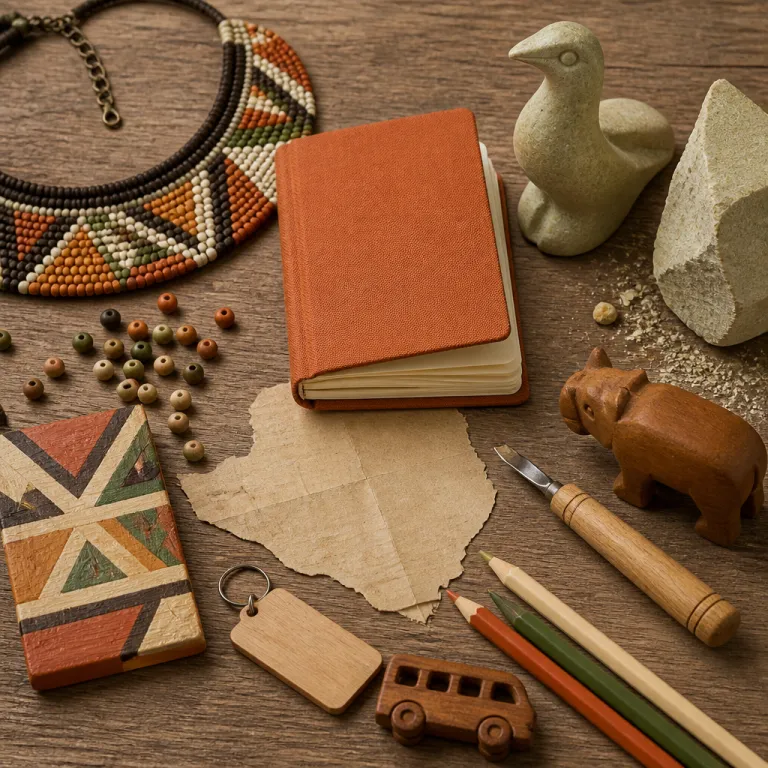
The Shona story stretches back to the stone walls of Great Zimbabwe, whose ruined enclosures still shape national identity and the way people talk about history in this part of Africa. The Ndebele story moves up from the south, following King Mzilikazi’s migration from what is now South Africa to Matabeleland, where bold geometric house painting, beadwork and powerful music still carry his legacy. When you weave both narratives into one family journey, you give children a living lesson in how a country can hold multiple cultural truths at the same time.
Families often arrive focused on Victoria Falls or a safari, yet the most memorable time for children can be a drumming circle, a mbira music session or a shared plate of traditional food in Harare or Bulawayo. Luxury and premium hotels that understand culture Zimbabwe wide now curate these experiences carefully, pairing expert guides with age appropriate workshops that respect local customs. When you evaluate a property, look beyond the rate in USD per person and ask how it connects you to Shona Ndebele communities, rural areas and urban areas in a way that feels authentic, safe and engaging for every family member.
From Great Zimbabwe to Matobo Hills: heritage sites that speak to children
For younger travellers, stone walls and rock formations become storybooks, so heritage sites should anchor any Zimbabwe culture family travel Ndebele Shona itinerary. Great Zimbabwe, near Masvingo, lets children walk through the granite passages of a civilisation that once traded gold and ivory across Africa, while parents can link this history to modern Shona sculpture and the way Shona people still work stone today. When a guide explains that Shona and Ndebele are the primary languages, with English as the official language, children start to hear how official languages shape who tells the story on site.
Further south, the Matobo Hills outside Bulawayo offer a different chapter, with balancing rocks, ancient rock art and shrines still visited by traditional healers from surrounding rural areas. Here, families can talk about how spiritual practices, national identity and land are intertwined, and how Zimbabwean culture is not frozen in history but lived daily by people who farm, herd and travel between villages and urban areas. Age appropriate walks, with shorter routes for children aged six to ten and longer climbs for teenagers, keep the focus on curiosity rather than endurance.
Several premium lodges near Matobo and Great Zimbabwe now design cultural project days, where children join supervised activities such as clay modelling, simple beadwork or storytelling sessions that reference both Shona Ndebele traditions. These properties often partner with local cultural organisations and educational institutions to ensure that a day celebrated on site respects community rhythms rather than staging performances only for tourists. When you read lodge descriptions, look for clear references to heritage sites, community partnerships and conservation initiatives, then cross check with in depth cultural day trip ideas such as those outlined in this analysis of conservation linked experiences around Victoria Falls.
Harare, Bulawayo and Victoria Falls: choosing hotels that open cultural doors
Harare, Bulawayo and Victoria Falls each reveal a different facet of Zimbabwe culture family travel Ndebele Shona, so your choice of hotel in each place matters. Harare, the capital in the north, sits in the heartland of the Shona people and offers easy access to the National Gallery, where Shona sculpture, contemporary painting and rotating exhibitions give children a visual entry point into Zimbabwean culture. A well located luxury hotel here should be able to arrange private gallery tours, studio visits and even short mbira music demonstrations suitable for different age groups.
Bulawayo, by contrast, feels more spacious and measured, reflecting its Matabeleland roots and strong Ndebele presence in both its population and its architecture. Families staying in premium properties here can explore neighbourhoods where painted houses, beadwork and traditional music performances are part of daily life, not just staged shows, and where conversations about Shona Ndebele relations, south African influences and the role of the nearby Matobo Hills feel natural. For a deeper sense of the city’s character and its best luxury addresses, consult curated guides to urban elegance in Bulawayo’s top hotels before you book.
Victoria Falls, in the far north west, is often the first stop for international family travel, yet it can be more than an adrenaline hub if you choose the right lodge. Several high end properties now integrate cultural visits to nearby rural areas, where families meet local people, learn about food traditions and hear how communities balance tourism income in USD per person with the need to protect land and water. To extend this beyond the spray zone, look at itineraries that pair a Falls stay with curated cultural day trips to Great Zimbabwe and the Matobo Hills, such as those highlighted in specialist heritage day trip recommendations.
Designing age appropriate cultural experiences: from drumming circles to walking tours
Thoughtful Zimbabwe culture family travel Ndebele Shona planning starts with your children’s ages, then layers in the right mix of play, story and reflection. For children aged six to ten, look for hotels and lodges that offer hands on craft workshops, simple drumming or mbira music circles and short storytelling sessions led by Shona or Ndebele hosts who are used to working with young guests. These activities turn abstract ideas about culture Zimbabwe wide into tangible moments, whether a child is threading beads, tasting new food or learning to greet people in both Shona and Ndebele.
Older children and teenagers, roughly eleven to sixteen, can handle more structured cultural and historical content, especially when it is tied to real places and real people. Guided walking tours through Harare’s art districts or Bulawayo’s historic avenues, visits to markets where Shona sculpture sits beside Ndebele beadwork, and conversations with artists about how they live and work in both rural areas and urban areas all help teenagers connect culture to economics and identity. Hotel concierges with strong local networks can also arrange meetings with conservation educators who explain how tourism revenue in USD per person supports community projects, from school building to cultural festival funding.
Throughout these experiences, encourage children to notice how official languages, regional histories and even neighbouring groups such as Shangaan and Venda communities in the south shape the way Zimbabwean culture is expressed. Some lodges now run structured cultural education programmes as part of their kids’ clubs, using educational materials, cultural artefacts and multimedia presentations to explain how Shona Ndebele traditions fit into a wider African context that includes South Africa and other countries. When children ask why a particular day is celebrated in a village or why traditional healers still play a role in health care, you have the chance to talk about respect, continuity and the many ways people define well being.
What to ask before you book: reading between the lines of luxury
Choosing the right base for Zimbabwe culture family travel Ndebele Shona means asking sharper questions than whether a pool is heated or a suite has a view. Start by asking how a property engages with nearby communities, what proportion of its staff come from local Shona people or Ndebele families and whether it supports any ongoing cultural project beyond occasional performances. When a hotel can explain clearly how it works with local partners, you gain confidence that your stay benefits people who live nearby rather than only visitors who travel through.
Next, look closely at how cultural experiences are framed in marketing materials and pre arrival communication. Are visits to rural areas described respectfully, with attention to privacy, consent and fair compensation, or are they sold as quick photo stops that reduce complex lives to spectacle for a few USD per person. Properties that talk about co created itineraries, long term relationships with cultural organisations and flexible timing to respect community events usually handle Zimbabwean culture with more care.
Finally, consider how a hotel helps your family navigate the country’s dual heritage and wider regional context, including links to South Africa and neighbouring Shangaan Venda communities in the south. Ask whether staff can arrange language lessons that go beyond basic greetings, explain the percent population figures for Shona and Ndebele in simple terms for children, or recommend books and music that deepen understanding of national identity after you return home. As one educational resource on Zimbabwean travel notes, “They gain firsthand experience of diverse traditions, fostering empathy and understanding.”
FAQ
What are the main languages my children will hear in Zimbabwe?
Your family will mainly hear Shona and Ndebele in everyday interactions, alongside English in hotels, airports and many urban areas. These three are key official languages in practice, although the country recognises several others, including Tonga, Shangaan and Venda in some south eastern regions. Learning a few greetings in both Shona and Ndebele before you travel helps children connect quickly with local people.
How can children benefit from cultural travel in Zimbabwe?
Children benefit when heritage sites, music sessions and food experiences are woven into a relaxed family itinerary rather than treated as schoolwork. They gain context for big themes such as history, national identity and community life by meeting Shona people, Ndebele hosts and other Zimbabwean families in both rural areas and cities. Over time, these encounters build empathy, curiosity and respect for different ways to live.
Are there specific festivals or cultural days we should plan around?
Zimbabwe’s calendar includes national holidays and regional events, such as Ndebele cultural festivals in Matabeleland and arts gatherings linked to Harare’s galleries and theatres. When a day is celebrated locally, hotels can advise whether it is appropriate for visitors to attend and how to do so respectfully. Ask your lodge or hotel concierge for up to date information, as some events rotate between venues or change format.
Is it appropriate to visit villages and rural communities with children?
Village visits can be meaningful for families when arranged through responsible hotels or tour operators who have long standing relationships with host communities. These partners ensure that visits are invited, that a fair fee in USD per person is paid and that activities such as cooking demonstrations, music or craft workshops are comfortable for both guests and residents. Always follow your guide’s lead on photography, gifts and timing, and brief children about respectful behaviour before you arrive.
How do I balance safari time with cultural experiences on a short trip?
On a shorter itinerary, aim for at least one full cultural day in Harare or Bulawayo and one structured activity near Victoria Falls or your safari lodge. Many premium properties now combine morning game drives with afternoon visits to art markets, music workshops or heritage sites, so you do not have to choose between wildlife and culture. Prioritise depth over quantity, selecting a few well organised experiences that align with your children’s ages and interests.