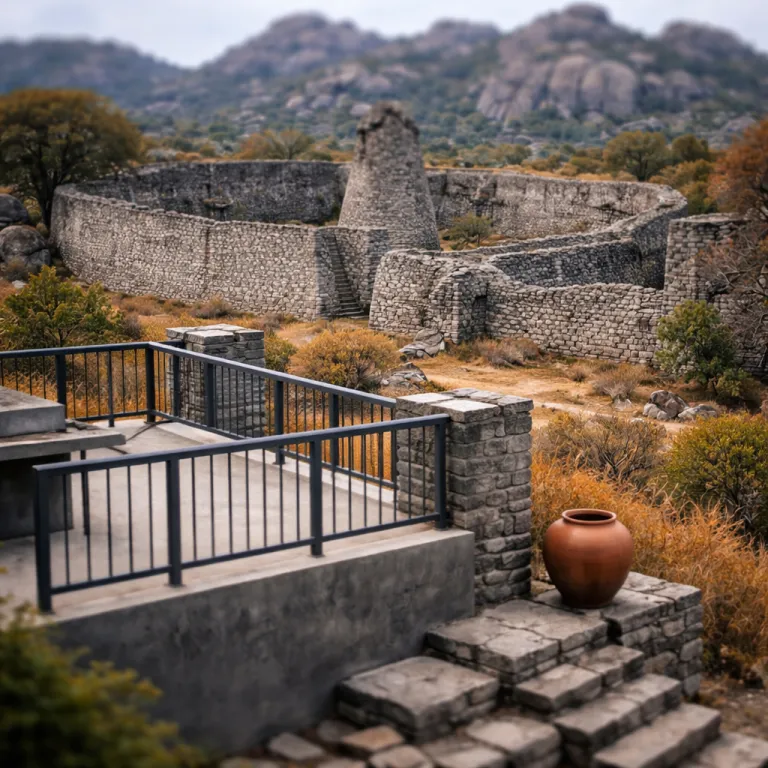
Why a great zimbabwe matobo cultural visit belongs in a luxury family itinerary
Most premium Zimbabwe holidays start at Victoria Falls and end in a safari lodge deep in a national park. Adding a Great Zimbabwe and Matobo Hills cultural segment creates a third dimension, turning a good trip into a layered journey through living heritage and dramatic granite landscapes. For families, this triangle of falls, wildlife and stone ruins builds a story that children remember long after the last game drive.
Think of Zimbabwe as three complementary stages rather than one headline act. You arrive through the international airport at Victoria Falls, feel the spray of Victoria Falls itself, then move south to the stone-built city of Great Zimbabwe and the rock art of the Matobo Hills for a slower, more reflective rhythm. The result is a set of heritage sites that show how people shaped this part of Africa long before the first safari vehicle rolled into a national park.
Parents often worry that adding cultural sites will dilute precious safari time. In practice, a carefully paced Great Zimbabwe and Matobo cultural circuit deepens the wildlife experience, because children start to link the animals they see in Hwange National Park or Mana Pools National Park with the people who once traded gold and stone across these same plains. The bush then feels less like a stage set and more like a long-running story in which your family briefly appears.
Building a three stop route: falls, bush and ancient stone cities
Start with two or three nights at a luxury safari lodge near Victoria Falls, where you can balance guided tours of the falls with relaxed breakfasts and long pool afternoons. From here, many luxury lodge operators now arrange cultural day trips using private transportation and guided tours, with morning departure, afternoon site tours and evening return built around family friendly breakfast, lunch and dinner timings. These cultural day trips from Victoria Falls are ambitious in distance, but they frame the rest of your Zimbabwe trip with context.
The road distance from Victoria Falls to Bulawayo is roughly 440–470 km, usually 5–6 hours in normal conditions with brief stops, while Bulawayo to Masvingo and Great Zimbabwe adds another 280–320 km, or around 4–5 hours, according to regional tour operators. Most families sensibly insert an overnight stop near Hwange National Park or in Bulawayo rather than attempt the full Victoria Falls to Great Zimbabwe drive in one stretch. That pause lets you enjoy Zimbabwe national parks properly, whether you choose Hwange National Park for elephant herds or continue later to Mana Pools National Park for canoe based wildlife viewing along the Zambezi.
From Bulawayo, Matobo National Park and the wider Matobo Hills lie close enough for an easy cultural heritage day, while Great Zimbabwe and the nearby Great Zimbabwe Hotel near Masvingo work best as a separate two night stop. Are day trips to Matobo Hills feasible? Yes, with early departure and late return. If you want to understand why Zimbabwe’s great stone cities mattered, consider adding Khami Ruins as a shorter heritage site excursion from Bulawayo, which pairs well with Matobo sites and keeps driving times manageable for younger children.
Where to stay: safari lodges and heritage bases that work for families
For the Victoria Falls chapter of your great zimbabwe matobo cultural visit, choose a property that balances access to the falls with calm spaces for children. Some grand addresses near the gorge still define colonial heritage in Zimbabwe, and a thoughtful review of colonial heritage hotels in Victoria Falls helps you decide whether that style suits your family or whether a quieter safari lodge outside town is better. Either way, look for flexible room configurations, early breakfast and child friendly dining options and staff who are used to tailoring activities for different ages.
In Matabeleland, Amalinda Lodge in the Matobo Hills stands out as a characterful base for exploring Matobo National Park and the surrounding cultural heritage sites. Rooms are built into the granite boulders, so children sleep literally under the same stone that shelters ancient rock art, yet the service level and cuisine remain firmly premium, with relaxed lunch and dinner service after long days on foot. From here, local tour guides arranged by luxury lodge operators or reputable Bulawayo-based agencies lead you into caves, balancing stories of San artists with practical advice on rock art etiquette and safe scrambling.
For Great Zimbabwe, the expanding Great Zimbabwe Hotel near Masvingo is the most convenient base for families who want to be at the national monument gates soon after sunrise. The property adds much needed room capacity and conference space, which means more choice for multi generational holidays and better availability during peak cultural festivals. Pair a stay here with a night in Bulawayo to visit Khami Ruins, another UNESCO listed site that helps children compare different stone building traditions across sites in Zimbabwe and understand how power shifted between these cities.
Making the history land: stories, guides and gentle challenges for children
The heart of any Great Zimbabwe and Matobo cultural visit lies in the stories you tell your children as they walk between the stone walls. At Great Zimbabwe, the key narrative is simple yet powerful, because you can explain that for years colonial writers claimed that Africans could not have built such sophisticated Zimbabwe ruins, and that archaeologists later proved those accounts wrong. Standing inside the Great Enclosure, you can point to the dry stone walls and say that this national monument is proof of a complex African state that traded across the Indian Ocean long before modern borders.
In the Matobo Hills, the focus shifts from stone cities to painted shelters, where some of the densest concentrations of San rock art in southern Africa sit within easy walking distance of the road. Rock art etiquette matters, so guides will ask children not to touch the paintings, to keep voices low and to avoid eating directly in front of the panels, which helps preserve both pigment and sense of place. Short, steep paths and warm granite mean that younger children may tire quickly, so plan a mix of shaded sites and open viewpoints, and carry more water than you think you need.
Local tour guides and cultural heritage organizations now use tools such as informational brochures and even virtual reality reconstructions to help families visualise how Great Zimbabwe and Khami once looked. That technology works best when paired with a human guide who can answer questions and adjust the pace, especially for teenagers who may be more engaged by trade routes than by stone alone. If you want to understand how Zimbabwe trains such strong guiding teams, a detailed analysis of why Zimbabwe still trains better safari guides than its neighbours will help you choose operators who bring the same depth to both wildlife and heritage sites.
Balancing bush rhythm with cultural days: pacing, logistics and when to stop
Luxury family itineraries in Zimbabwe work best when you treat cultural days as part of the safari rhythm, not as bolt on extras. A typical pattern is three nights near Victoria Falls, three to four nights in a safari lodge in Hwange National Park or Mana Pools National Park, then two or three nights split between the Matobo Hills and Great Zimbabwe, with Khami Ruins or other heritage sites added only if energy allows. That pacing keeps transfers between each park, falls and heritage site to half day journeys, which is crucial when travelling with children.
From Victoria Falls, cultural day trips to Matobo or Great Zimbabwe are technically possible but long, so most premium families will prefer to break the journey with an overnight in Bulawayo or near Hwange National Park. Wear comfortable clothing, bring water and snacks, and respect local customs, especially when visiting rural communities around the heritage sites. Private transportation arranged by your lodge or a trusted operator gives you control over rest stops and meal times, which makes the difference between an enriching day and an exhausting one.
On safari days, keep the classic pattern of early game drive, relaxed breakfast and lunch, siesta and late afternoon drive, then insert cultural days between bush blocks rather than in the middle of them. That way, children never feel that a visit to a national monument is stealing time from lions or elephants, because the cultural heritage segments become their own chapter in the trip. When you finally stand together at Victoria Falls, in a quiet corner away from the spray, you will be able to trace a line in your mind from the pools national wetlands of Mana Pools, through the stone of Great Zimbabwe, to the painted caves of Matobo, and your Zimbabwe great journey will feel complete.
FAQ
Is a great zimbabwe matobo cultural visit suitable for younger children?
Families with younger children can absolutely include Great Zimbabwe and the Matobo Hills, provided you manage walking distances and heat carefully. Choose shorter routes at the heritage sites, focus on one or two key ruins or rock art shelters per day and build in long rest periods back at your lodge. Private guiding helps you adapt the pace and content to different ages, turning complex history into simple, engaging stories.
How many days should we allocate to Great Zimbabwe and the Matobo Hills?
Most premium family itineraries work well with two nights near the Matobo Hills and two nights near Great Zimbabwe. That gives you at least one full day in each heritage site without rushing, plus time for Khami Ruins or a community visit if energy allows. Trying to compress both areas into a single overnight stop usually leads to long drives and limited time on the ground.
Can we visit Great Zimbabwe and Matobo Hills as day trips from Victoria Falls?
It is technically possible to arrange very long cultural day trips from Victoria Falls, but the combined distances of around 440–470 km to Bulawayo and a further 280–320 km to Masvingo each way make them tiring for most families. A more comfortable approach is to travel via Bulawayo, stay overnight and then continue to the heritage sites with shorter daily drives. This structure keeps the experience aligned with luxury travel standards while still allowing you to see both the falls and the ruins.
What should we wear and bring for heritage site visits in Zimbabwe?
Lightweight clothing, a wide brimmed hat and sturdy walking shoes work best for both Great Zimbabwe and the Matobo Hills. Carry more water than you expect to drink, plus snacks for children, as services inside the heritage sites are limited compared with safari lodges. A small backpack, sunscreen and a respectful attitude to local customs will cover most practical needs.
How do cultural visits fit with time in Hwange or Mana Pools National Parks?
Many families choose to start with Victoria Falls, then move to Hwange National Park or Mana Pools National Park for intensive wildlife viewing before ending with heritage sites. This order keeps energy high for early morning game drives and lets you slow the pace later among the stone ruins and rock art. If you prefer, you can reverse the sequence and begin with Great Zimbabwe and Matobo, using the bush as a relaxing finale.