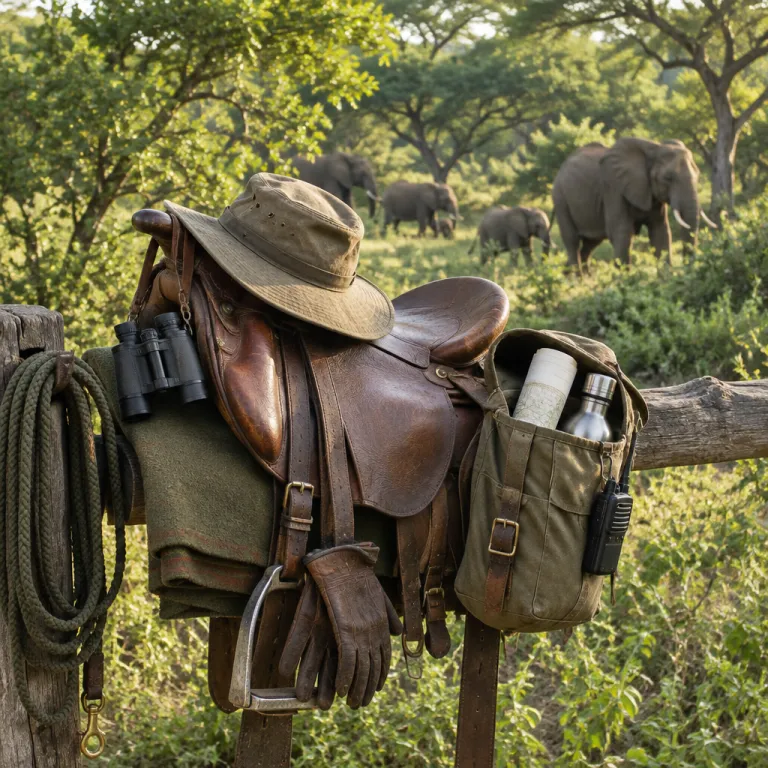
Why a horseback safari in Zimbabwe feels different
On a serious horseback safari in Zimbabwe, the first surprise is silence. From the saddle you move as another grazing animal, and wildlife reads the horse as part of the landscape rather than a threat from an engine. That single shift changes every safari encounter, because plains game will often hold their ground and let you ride within a few metres on their terms.
In this kind of riding safari, your horse becomes your interpreter of the African bush. Ears flick to a distant snort, muscles tighten before you see the zebra, and you start to understand how wildlife uses wind, shade and distance long before a vehicle would arrive. Over a few days of horse riding you learn to read time differently, because the rhythm of the ride slows you to the pace of elephants, giraffe and antelope.
Zimbabwe is one of Africa’s most rewarding countries for immersive horse safaris. The best riding holiday itineraries pair strong horses with guides who understand both horse management and big game behaviour in detail. For independent travellers, this is the horseback safari Zimbabwe does especially well, because the focus is on authentic wildlife experience rather than mass market activities.
On a typical day ride, you leave camp at first light while the air is still cool. The guide will brief you clearly on the plan for the ride, the likely wildlife, and how the group should react if elephants or buffalo appear. That structure lets confident riders relax into the experience, while still respecting that this is real African bush, not a controlled ranch arena.
Luxury lodges that offer horse safaris usually keep group sizes small. This matters for both conservation ethics and safety, because fewer riders mean less pressure on wildlife and more attentive guiding. When you book through a curated platform such as MyZimbabweStay, you can filter for properties where horseback is a core safari activity rather than a token add on. As one long-time guide near Hwange puts it, “We plan every ride as if it were our own family in the saddle, not just another activity on a list.”
Where horses belong in the Zimbabwean bush
Not every landscape suits a riding safari, and that is where Zimbabwe’s geography works in your favour. Open savannah, riverine terraces and old ranch land create natural corridors where horses can move safely and wildlife has clear escape routes. Dense thicket or steep rocky kopjes are better left to walking safaris and game drives, not to a string of riders.
In areas bordering a national park, you may ride along old ranch tracks that now form part of a wider conservation project. Here, the line between working holiday and pure leisure can blur, because some properties invite you to join low impact monitoring rides that support wildlife data collection. These are not volunteer safaris in the traditional sense, but your time in the saddle contributes to a broader Africa wide conservation story.
Antelope rich private land near major reserves can be ideal for a first horse safari in Zimbabwe. You might ride past herds of impala and wildebeest that barely flick an ear at the horses, while your guide quietly explains how anti poaching patrols and careful horse management keep this landscape intact. For a deeper look at refined wildlife stays that pair riding with conservation, explore our guide to elevated safari stays and wildlife encounters in central Zimbabwe.
Further north, floodplains and river terraces near Mana Pools National Park lend themselves to seasonal horse safaris. When water levels and grazing are right, typically from June to October, a horseback safari Zimbabwe itinerary here can include long day rides along ancient elephant paths, always with a vehicle or boat within reach. In these settings, the African horse becomes a quiet observer of wildlife, not a novelty activity horse brought in for a single season.
Some properties also sit on the fringes of working ranch land, where cattle, wildlife and horses share the same mosaic. Riding through this interface gives you a grounded sense of how conservation and livelihoods intersect in Zimbabwe. It is a very different experience from a fenced reserve in South Africa, and one that rewards travellers who want to understand the country beyond its postcard views.
Victoria Falls, Hwange and the Zambezi: how riding fits your itinerary
Most luxury travellers start or end their trip around Victoria Falls, and this is often where the idea of a riding holiday first appears. The town offers short horse riding excursions in the surrounding bush, which can be a gentle way to test your comfort in the saddle before committing to multi day horse safaris. Treated as a taster, a half day horseback ride near the Zambezi River can help you decide whether a longer safari Zimbabwe itinerary on horseback is right for you.
From Victoria Falls, many travellers connect to Hwange National Park, which remains one of Africa’s great elephant strongholds. Inside the core Hwange National Park area, game drives and walking safaris are the primary activities, because the density of big game and predators makes riding complex. Instead, some private land on the fringes of Hwange National territory offers controlled horse safaris where guides can manage risk while still giving you that elevated horseback perspective.
Our detailed review of Victoria Falls Safari Lodge explains how a classic game drive focused stay can be paired with a separate riding safari block elsewhere in Zimbabwe. This split itinerary works well for solo travellers who want both the social energy of a larger lodge and the intense quiet of a small riding camp. You might spend several days on vehicle based safaris and then shift to a horse safari where the same wildlife is suddenly encountered at eye level.
Along the Zambezi River corridor, canoeing and boat based game viewing often sit alongside riding in a single programme. One day you might ride Zimbabwe floodplains on an African horse, the next you drift past the same wildlife from a canoe while anti poaching scouts brief you on their work. This variety keeps your senses sharp and ensures that horseback time is balanced with rest and alternative perspectives.
For travellers used to South Africa’s more manicured reserves, Zimbabwe’s mix of wildness and flexibility can feel refreshingly unscripted. Game drives remain the backbone of most itineraries, but a carefully chosen riding safari module adds texture and depth. The key is to treat horseback as one strand in a wider project of understanding how this part of Africa works, not as a standalone thrill.
Skill, safety and the reality of riding with big game
Luxury marketing can make any riding safari look effortless, but the reality is more demanding. Most serious horse safaris in Zimbabwe expect you to be a confident, balanced rider who can control a horse at walk, trot and canter in open country. If you are still learning basic riding skills, this is not the right time to experiment among elephants and buffalo.
Before you book, be honest about how many weeks or years you have spent in the saddle and what kind of terrain you have ridden. A controlled arena or gentle ranch trail in North America is very different from a fast ride across open African bush with wildlife all around you. Operators who specialise in horseback safari Zimbabwe itineraries will usually ask detailed questions about your horse riding background, and you should treat that as a positive sign of strong horse management culture.
On the ground, safety frameworks are clear and non negotiable. Guides brief you on spacing between horses, how to react if wildlife changes direction, and why you never break the line to chase game. You ride in small groups, often arranged by ability, so that a single nervous rider does not compromise the experience for others or stress the horses.
In big game areas, your guide will often carry a rifle as a last resort, but the real safety tool is reading behaviour early. That means understanding wind, distance, body language and the subtle cues that tell you when an elephant is relaxed or when a bull needs more space. This is where Zimbabwe’s long tradition of professional guiding shows, and why many experienced travellers rate a riding safari here as one of the most nuanced wildlife experiences in Africa. As one returning guest put it after a week near Mana Pools, “I never felt rushed or unsafe, just quietly aware of how much the guides were reading long before I saw anything.”
If you are not yet at that level, consider a staged approach. Start with a riding holiday on quieter land where wildlife is less dense, then build towards more complex horse safaris over time. Think of it as a personal project in skill and confidence, not a one off working holiday or volunteer adventure, and you will enjoy every step of the journey far more.
Solo travellers, hotel choices and building a thoughtful itinerary
For solo explorers, a horseback safari in Zimbabwe offers a rare mix of self reliance and shared purpose. You spend long hours focused on your horse and the wildlife ahead, yet camp life and lodge dinners create easy conversation with other riders. That balance makes it one of the most natural ways for independent travellers to feel part of a temporary African community without forced socialising.
When choosing where to stay, look for properties where horses are central to the identity of the place rather than a side activity. Read how they talk about horse management, grazing, and rest days for the herd, because this reveals whether the animals are treated as partners or as equipment. A serious operation will describe its riding safari ethos in detail, from maximum rider weight to how many hours a day horse and rider are expected to work.
Luxury lodges that pair riding with strong conservation credentials are particularly worth your time. Some support anti poaching units, others fund community grazing projects that reduce conflict between cattle and wildlife, and a few integrate low key volunteer style activities such as helping with wildlife monitoring from horseback. None of this turns your trip into a formal working holiday, but it does mean your ride Zimbabwe experience sits within a wider conservation framework.
To balance the intensity of days in the saddle, consider adding a slower water based or heritage focused stay. Our guide to luxury stays around Lake Kariba for heritage minded travellers outlines properties where game drives, boat cruises and gentle walking safaris complement more active riding blocks elsewhere. This kind of layered itinerary lets you experience safari Zimbabwe from multiple angles without exhausting either yourself or the horses.
Over several weeks in the country, you might move from a Victoria Falls base to a Hwange National fringe property, then on to a more remote area near Mana Pools. Each step adds a new dimension to your understanding of Africa, from the roar of the Zambezi River to the quiet of a dawn ride across open plains. By the time you leave, the way you read tracks, wind and distance will have changed, and that is the real legacy of a thoughtful horseback journey.
FAQ
How experienced do I need to be for a horseback safari in Zimbabwe ?
Most multi day horse safaris in Zimbabwe require you to be a confident, intermediate level rider. You should be comfortable controlling a horse at walk, trot and canter in open country, not just in an arena. If you are a beginner, start with short, controlled rides near Victoria Falls or on quieter ranch style properties before attempting big game areas.
Is a riding safari safe around elephants, lions and buffalo ?
Riding among big game always carries some risk, but reputable operators manage it carefully. They use experienced guides, well schooled horses and strict protocols on spacing, speed and approach distances to wildlife. You can reduce your own risk by riding within your limits, following instructions exactly and choosing itineraries that match your skill level.
How does a horseback safari compare with traditional game drives ?
A horseback safari offers closer, quieter encounters with plains game, because animals often accept horses more readily than vehicles. Game drives, by contrast, are better for covering long distances and safely viewing predators or large elephant herds. The most rewarding itineraries in Zimbabwe combine both, using riding for intimate moments and drives for broader wildlife coverage.
Can solo travellers join riding safaris in Zimbabwe easily ?
Solo travellers are common on riding safaris, and many camps are set up with single guests in mind. You share rides and meals with other guests, which creates a natural social structure without forced group activities. When booking, ask about single supplements, group sizes and how they match riders of similar ability.
What is the best time of year for a horseback safari in Zimbabwe ?
The prime riding season usually aligns with the dry months, roughly from May to October, when grass is shorter and wildlife concentrates around water sources. Cooler temperatures make long hours in the saddle more comfortable for both riders and horses. Shoulder seasons can also work well in some areas, but always check local conditions and how they affect terrain, visibility and horse welfare.
Quick rider preparedness checklist before you book
Before confirming a horseback safari, make sure you can ride confidently at walk, trot and canter in open spaces, mount and dismount without assistance, and manage several hours in the saddle each day. Check that your travel insurance covers horse riding with big game, confirm maximum rider weight and age limits with the operator, and be ready to wear a riding helmet, long trousers and closed shoes on every ride.