Eco on the Zambezi: what the Sterling Group project must prove
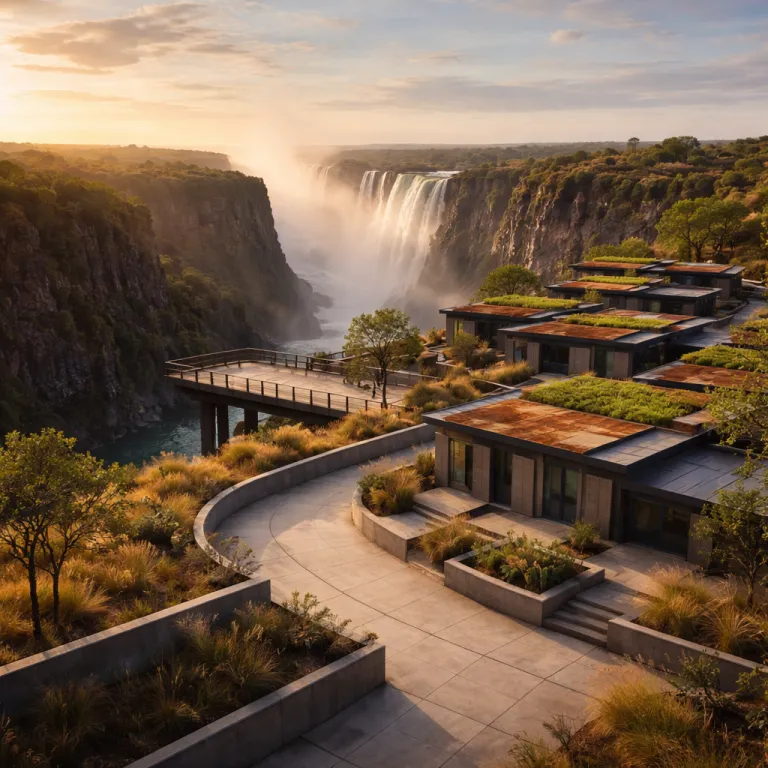
Sterling Group’s planned Victoria Falls eco-resort on the Zambezi River has been announced as a high end answer to sustainable luxury, with a proposed 2027 opening, around 80 keys, and a mix of suites and river-facing villas. In a tourism industry where every new tourism resort claims green credentials, the real test in Zimbabwe will be how deeply this project reshapes water use, energy, and community equity along the river, as set out in its 2023 environmental impact assessment lodged with the Victoria Falls City Council. Couples planning falls travel in southern Africa should read the fine print before they sign any hotel booking or safari package, especially when a new resort promises low impact design and community partnerships.
On the Zambezi, eco tourism starts with water draw and wastewater, because every litre pulled upstream affects both wildlife and downstream communities near Victoria Falls. For the proposed resort on the Victoria Falls riverbank to stand alongside the most credible properties in Zimbabwe tourism, management will need to show closed loop water systems with at least 70 percent recycling, low impact river access, and transparent reporting on usage over the years through annual sustainability reports. Energy will be the next hard metric, with serious eco tourism resorts in Africa now targeting majority solar, battery storage, and minimal diesel backup, and Sterling’s concept documents indicating a 65 percent solar share at launch, rising to 80 percent within five years rather than vague promises about a greener view of operations.
Supply chains are where many hotels in Zimbabwe and across southern Africa quietly fail, even when the marketing speaks fluently about sustainable luxury and eco credentials. If Sterling’s Victoria Falls eco-resort is to be more than a press release, the company must prioritise local farmers, artisans, and guides from Bulawayo and Harare, and share value with community trusts such as the Victoria Falls Community Share Ownership Trust rather than just importing premium goods from South Africa. In a sector where Zimbabwe tourism welcomes around one million tourists to Victoria Falls annually, genuine eco tourism means local ownership stakes, fair wage structures, and community representation in resort Victoria governance, backed by published agreements and planning approvals, not just a tasteful sign in the lobby.
Sterling’s vertical model versus established Zambezi operators
Sterling Group has confirmed that its Victoria Falls eco-resort will be paired with a vertically integrated travel arm, Sterling Travel and Tours, designed to control the full travel tourism chain from flights to river cruises and guided excursions. That move places the group directly in conversation with the operating models of Wilderness and Singita, whose integrated management structures already shape much of high end tourism in Zimbabwe and across Africa, including conservation levies and long term concession agreements. For couples comparing news about new openings with long established lodges, the question is how this company will balance scale with intimacy and environmental rigour while still delivering personalised service on each itinerary.
Where Wilderness and Singita use their size to negotiate conservation funding and cross subsidise remote camps, Sterling Group’s integrated model in Victoria Falls will likely focus on packaging hotel stays, Zambezi River activities, and regional connections to South Africa in one seamless itinerary with tiered pricing. The new resort will sit in a competitive field that includes The Elephant Camp, Old Drift Lodge, and the heritage Victoria Falls Hotel, each offering a different view of the falls and the river corridor, with nightly rates that already benchmark what upper premium travellers can expect to pay in peak season. For a deeper sense of how luxury properties already frame the spray zone, our guide to when the Victoria Falls rainbow meets luxury stays in Zimbabwe maps out current benchmarks in service, setting, and sustainability.
Price wise, Sterling is expected to position the resort Victoria experience in the upper premium tier, likely below the most exclusive cliffside lodges at Batoka Gorge but above many central town hotels that cater to volume tourists and group tours. The group expands its hospitality investments in Zimbabwe at a time when investments in Zimbabwe tourism infrastructure are accelerating, from the new cricket stadium in Victoria Falls to road upgrades linking Bulawayo, Harare, and Hwange, alongside expanded regional air capacity. In this context, the Victoria Falls eco-resort will need to show that hospitality investments can deliver fresh delight for guests while still meeting hard eco tourism standards that go beyond marketing posts or social media news and can be checked against public planning documents.
Infrastructure pressure, pricing tiers, and questions smart travellers should ask
Zimbabwe is preparing to co host a major Cricket World Cup, and Victoria Falls is already feeling the pressure of a tourism industry building fast to meet future demand. New roads, a stadium, and expanded air links will bring more tourists to the Zambezi River corridor, which means every tourism resort, from heritage hotels to Sterling’s new eco-resort, will face scrutiny over how they manage noise, traffic, and river access under their approved environmental management plans. For couples planning travel in southern Africa, this is the moment to ask sharper questions about what sustainable luxury really means on the ground and how each property measures its footprint.
Start with energy, water, and waste, and ask any hotel or resort Victoria operator for specific numbers, not just promises that management will do better in a few years or after occupancy targets are met. Ask how the company structures community partnerships, whether local leaders hold equity, and how many jobs have been created for people who, as one official dataset puts it, note that “Sterling Group is developing a high-end eco-tourism resort in Victoria Falls.” Then look at how the Victoria Falls eco-resort compares with existing high end options in our guide to elegant accommodation in Victoria Falls, where we benchmark service, guiding, and conservation commitments across the region and highlight properties that publish impact data.
Finally, consider your wider itinerary in Zimbabwe and across Africa, because the most rewarding trips link Victoria Falls with Hwange or Mana Pools rather than treating the falls as a quick stopover. Our in depth review of Somalisa Camp in the heart of Hwange shows how walking safaris, low density camps, and long term conservation funding can turn a stay into a meaningful contribution to Zimbabwe tourism and local livelihoods. Whether you are reading a glossy post from a chief executive or a short news update about how a group expands its portfolio, the real sign of integrity is how each property answers detailed questions about eco tourism, from agro Zimbabwe land use and water draw limits to cross border links with South Africa and the rest of southern Africa.