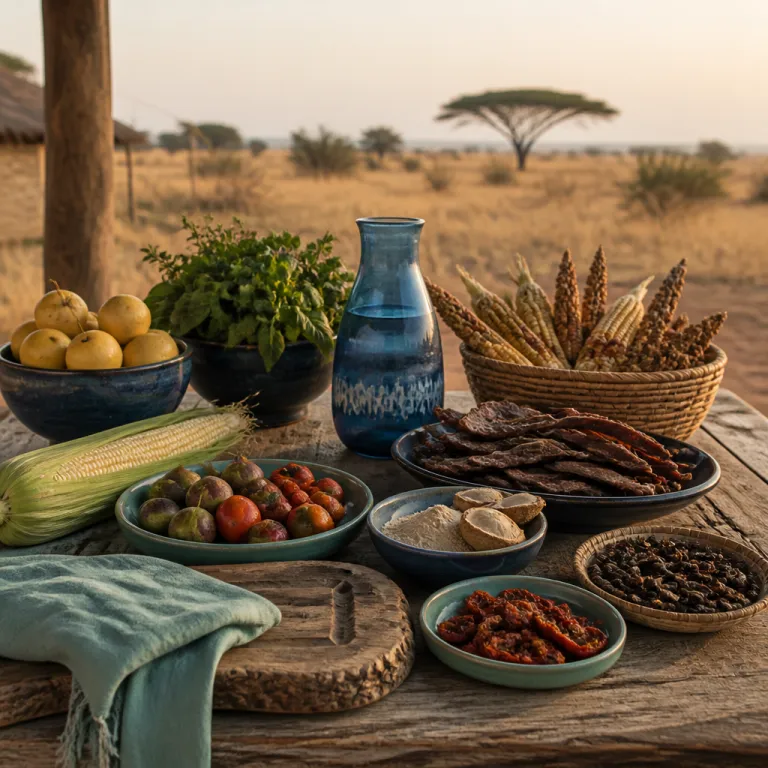
Why August tastes different: the logic behind dry-season dining
On a Zimbabwe safari in August, the first thing you notice is the light, and the second is the menu. As the dry season settles over southern Africa, lodge chefs quietly rewrite their playbooks so that dry-season Zimbabwe safari dining becomes a very specific, very deliberate culinary experience. This is the best time for couples who care as much about the plate as the wildlife viewing, because every course reflects the realities of a Zimbabwe bush pantry where supply runs can mean eight hours of corrugated road to the nearest supermarket.
Across Zimbabwe safaris in Hwange National Park, Mana Pools and around Victoria Falls, August nights are cool, skies are clear and rain is a distant memory. That climate shift is why the August table at a Zimbabwe lodge is not the same meal as in April, when the green season still lingers and menus lean lighter, greener and more vegetable forward. Lodge chefs, the quiet menu planners of safari camps in Zimbabwe, work with local farmers to track seasonal food calendars so that the same safari in Zimbabwe in April and in the dry season in August feels like two different trips for your palate.
Data from the Ministry of Lands, Agriculture, Fisheries, Water and Rural Development and the Zimbabwe Vulnerability Assessment Committee (for example, the 2023 Rural Livelihoods Assessment Report, which notes peak availability of maize and pumpkin leaves from late July through September in provinces from Harare to Matabeleland North) show that maize and pumpkin leaves are at full availability from late July through September in regions stretching from Harare to Hwange, and that shapes what appears on your plate at the best properties. One verified explanation from the field is explicit about why your dry-season safari menu changes between months: “Why do lodge menus change seasonally?” and the answer is: “To utilize fresh, local ingredients available during different times of the year.” When you plan the time to visit Zimbabwe for a romantic safari, that single line explains why August dinners feel richer, more rooted in the land and more aligned with the rhythms of national park life than the softer flavours of April.
From harvest to hearth: how chefs adapt bush kitchens between April and August
In April, as the harvest season winds down across Zimbabwe, lodge kitchens still enjoy a broader spectrum of fresh produce, and menus often highlight lighter preparations of maize, sorghum and sweet potatoes. By the time August arrives and the dry season is in full command, those same ingredients become the backbone of heartier dishes that warm guests after evening game drives in Hwange or Mana Pools. The shift is not cosmetic; it is structural, and it defines the most memorable dry-season safari dining experiences for couples who plan their trip around both wildlife and food.
Chefs in remote national park concessions talk about the bush pantry as a living thing, shaped by the time since the last supply run and by what local farmers can deliver from surrounding communities. Seasonal menu planning and local sourcing are not marketing phrases here, they are survival tools that allow Zimbabwe lodges to serve refined plates eight hours from a supermarket while still supporting regional agriculture. At Hwange, for example, lodge teams often buy maize, tomatoes and leafy greens from growers near Dete and Lupane, then store them carefully in cool rooms and charcoal fridges. That is why you will see maize meal transformed into slow cooked sadza with rich game stews in August, while in April the same maize might appear as lighter cakes or grilled polenta alongside river fish at a Victoria Falls or Lake Kariba property.
For couples booking a Zimbabwe safari that spans both months, the contrast can be striking over just a few days, especially in Hwange National Park where waterholes shrink and wildlife crowds closer to camp. April dinners might feature more green season vegetables and brighter sauces, while August leans into slow braises of game meat, roasted root vegetables and pumpkin leaf relishes that echo the parched landscape outside. As one Victoria Falls lodge chef, Tendai M., put it, “In April we cook with the rain still in the soil; by August we cook with the fire.” When you choose your time to visit, remember that the best experiences in southern Africa are often those where the plate mirrors the park, and where your lodge rate also supports nearby growers and community conservancies through initiatives such as the projects described in this detailed look at community conservancies around Hwange.
August nights, open flames: bomas, waterholes and the romance of the dry season table
By August, the absence of rain across Zimbabwe and neighbouring Botswana turns almost every dinner into an outdoor event, and that is where dry-season safari cuisine truly comes into its own. In Hwange National Park, at refined camps around the former Wankie game reserve, the best time for a couple’s dinner is often after the last game drives return and the fire in the boma is already throwing sparks into a cold, clear sky. Properties such as Linkwasha in the Hwange National private concessions set tables on raised platforms near pumped waterholes, so that while you eat, elephants and other game move in and out of the torchlight just metres away.
That same pattern repeats in different guises across southern Africa, from Matetsi’s river front decks near Victoria Falls to the terraces of high end lodges that pair a Zimbabwe safari with a wider regional itinerary including Cape Town or South Africa’s wine country. August is the dry season moment when wildlife viewing and dining merge, because animals concentrate around permanent water and the night air is crisp enough to make heavier comfort food feel exactly right. Couples who plan a multi country trip that links Zimbabwe, Botswana and perhaps South Africa often remark that the most romantic experiences are not in the cities, but at these bush tables where the only sound is a lion calling between courses.
For those comparing green season stays with August, the difference in atmosphere is profound, and it is why many operators call this the best time to visit for classic Zimbabwe safaris. In April, you might dine under canvas more often, with the park still lush and the air softer, while in August the same safari Zimbabwe itinerary becomes a nightly theatre of stars, firelight and silhouettes at the waterhole. If you are weighing where to focus your Hwange National or Victoria Falls nights, this in depth guide to refined safari stays around Hwange National Park is a useful starting point for choosing camps that take their dry season dining as seriously as their game drives.
Sundowners, cellars and walking safaris: designing a couple’s August food itinerary
Planning a couple’s August trip through Zimbabwe, Botswana and perhaps onward to Cape Town is as much about timing your meals as your game drives. The classic sundowner ritual, that late afternoon pause when your guide stops the vehicle and sets up a bar on the bonnet, takes on a different character in the dry season when the air is cold and the light over the park turns metallic. In August, the best guides in Zimbabwe know exactly which ridge or pan will deliver both wildlife viewing and a wind sheltered spot for your gin and tonic or local craft beer.
Back at camp, serious wine cellars have become a quiet hallmark of top end safari properties, particularly those that attract guests combining a Zimbabwe safari with South Africa’s Cape winelands. You will find carefully cellared South African reds that pair beautifully with slow cooked game, alongside lighter whites for earlier in the season when evenings are warmer and menus less heavy. For couples, this is where dry-season Zimbabwe safari dining becomes a curated experience rather than just a meal, with staff suggesting pairings that reflect both the time of year and the specific national park you are in, whether that is Hwange, Mana Pools or the shores of Lake Kariba.
Daytime brings its own food theatre, especially on walking safaris where a mid morning coffee stop might be laid out on a termite mound with views across a dry riverbed. In August, when the bush is open and tracks are easier to read, these walks feel more intense, and returning to camp for a late brunch of maize porridge, grilled vegetables and fresh bread feels like a reward earned over several hours on foot. As you weigh your time to visit and compare green season offers with peak dry season rates, remember that your lodge’s approach to conservation and security also shapes the dining setting, something explored in depth in this report on how corporate conservation support strengthens Zambezi and Victoria Falls patrols, which in turn helps keep both wildlife and guests safe around key safari dining locations.
FAQ
Why do lodge menus in Zimbabwe change between April and August ?
Lodge menus in Zimbabwe change between April and August because chefs respond to seasonal ingredient availability and shifting guest needs. April, at the end of the harvest season, offers more fresh vegetables and lighter preparations, while August in the dry season encourages heartier dishes built around maize, sorghum and sweet potatoes. This seasonal rotation improves meal quality, supports local farmers and ensures that your dry-season Zimbabwe safari dining experience feels distinct from an April stay.
What kind of dishes are common in August at Zimbabwe safari lodges ?
In August, many Zimbabwe safari lodges serve slow cooked game stews, roasted root vegetables, pumpkin leaf relishes and comforting maize based dishes such as sadza. Cooler nights after game drives and walking safaris make these richer plates especially appealing, particularly when paired with South African red wines from well managed lodge cellars. You can still expect variety, but the emphasis shifts from the lighter, greener plates of the earlier months to food that feels aligned with the dry, golden landscape outside.
Is August really the best time for a romantic safari dining experience ?
For many couples, August is the best time for a romantic safari dining experience in Zimbabwe because the dry season delivers clear skies, reliable outdoor dinners and intense wildlife viewing at camp waterholes. Boma evenings by open fires, torchlit platforms overlooking game rich pans and long, starlit meals on riverfront decks at places near Victoria Falls or Lake Kariba all peak in this period. While the green season has its own charm, August offers the most consistent conditions for open air dinners that run late into the night.
How far in advance should we plan our August Zimbabwe safari dining experiences ?
For August, which is peak dry season across southern Africa, you should plan your Zimbabwe safari and associated dining experiences at least six to nine months ahead, especially for top end camps in Hwange National Park, Mana Pools and the Victoria Falls area. Early planning allows you to secure rooms at properties known for strong culinary programs and to coordinate multi country itineraries that might include Botswana or South Africa. It also gives you time to request special touches such as private waterhole dinners, vegetarian tasting menus or specific wine pairings.
How can we check if a lodge uses seasonal and locally sourced ingredients ?
The most reliable way is to ask directly for sample menus for both the green season and the dry season, and to look for references to local farmers, regional produce and seasonal rotations. Many leading safari lodges in Zimbabwe now highlight farm to table practices, explain how often supply runs are made from cities such as Harare and describe partnerships with nearby communities. When a property can clearly explain how it adapts menus between April and August and how it supports local agriculture, that is usually a strong sign that your dry-season safari dining experience will be both authentic and responsible.