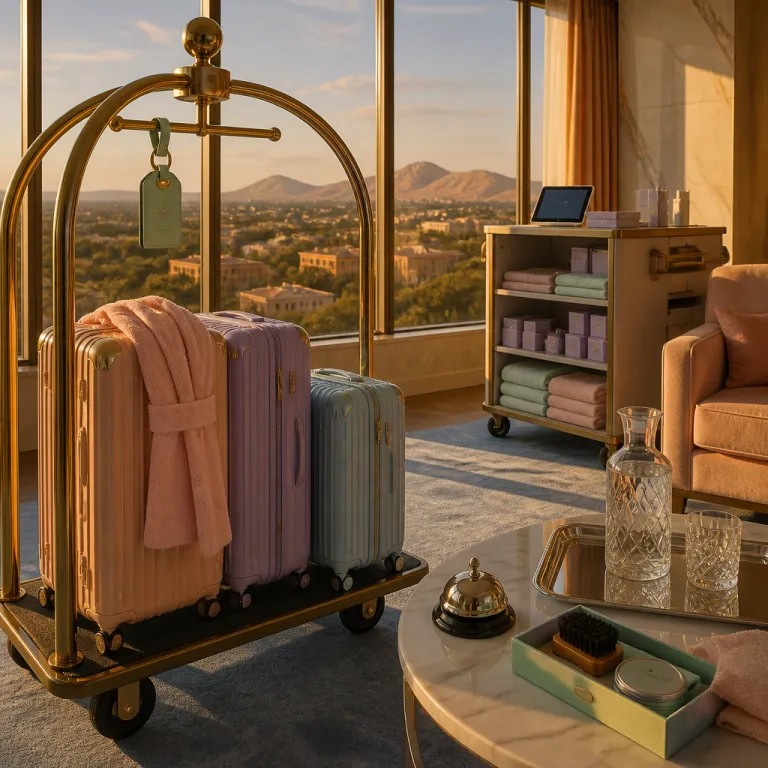
Why zimbabwe bulawayo is the refined urban escape you are seeking
Bulawayo is Zimbabwe’s second largest city and a cultural heavyweight. Known as the City of Kings, this southern metropolis blends wide, tree lined avenues with gracious architecture and a relaxed pace of life. For travellers choosing a luxury stay in zimbabwe bulawayo, this balance between heritage and comfort creates a quietly sophisticated urban escape.
The city lies in the south west of Zimbabwe, close to the border with South Africa and within easy reach of Hwange National Park and the Matobo Hills World Heritage Site. That location makes Bulawayo, Zimbabwe an ideal base for guests who want premium hotel comfort in town while planning day trips to a nearby national park or onward journeys to Victoria Falls and Mana Pools. With a population of around 665,952 people, according to the 2022 national census published by ZIMSTAT, the city is large enough to offer choice yet compact enough to feel manageable for first time visitors.
Bulawayo’s story is inseparable from the Ndebele people and from King Lobengula, whose royal town once stood near the modern urban area. The official city profile notes that Bulawayo is known as the "City of Kings" and cultural hub, and that reputation still shapes how luxury hotels curate their guest experiences. High end properties increasingly weave Ndebele art, natural history themes and references to the city’s railway and industrial heritage into their design, giving every stay a sense of place. As one curator at the Natural History Museum explained in a recent local interview, "You can read Bulawayo’s history in its streets, galleries and hotel lobbies if you know where to look."
Choosing luxury hotels in bulawayo city versus harare for an urban stay
Travellers often compare zimbabwe bulawayo with Harare when planning an urban escape. Harare, the national capital, offers a faster paced city experience, while Bulawayo delivers a calmer rhythm with easier traffic and more compact neighbourhoods. For guests booking premium rooms, that difference in city energy can be as important as the thread count on the sheets.
In Harare, luxury hotels cluster around the central business district and the northern suburban area, and many travellers pair a stay there with refined Harare hotels for discerning travellers. In Bulawayo, Zimbabwe, high end properties such as The Bulawayo Club, Holiday Inn Bulawayo and the historic Banff Lodge tend to sit close to the city centre, near key street intersections and within a short drive of the Natural History Museum and the main history museum. This means you can step out from your hotel lobby onto a quiet avenue, then reach a museum, a park or a private club in minutes.
Guests who value cultural immersion often favour the City of Kings because the urban scale makes it easier to connect with local life. You can spend time at a Bulawayo club or an athletic club, stroll past historic buildings on every street, then return to a hotel suite that frames the skyline of Bulawayo city. Harare remains the better choice for those whose primary focus is national level business, while Bulawayo excels for travellers seeking a softer urban edge and quick access to nearby national park landscapes.
Staying in the historic heart: clubs, railways and gracious avenues
The historic centre of zimbabwe bulawayo is where the city’s colonial era grid and wide street avenue design are most evident. Here, luxury and premium hotels often occupy restored buildings or stand close to venerable institutions such as The Bulawayo Club and the Bulawayo railway precinct. Staying in this area places you at the intersection of history, culture and contemporary comfort.
The Bulawayo Club, a private members’ club with deep roots in the town’s social life, sits near several high end properties and offers a window into the City of Kings heritage of business and civic leadership. Around the corner, the Bulawayo railway station recalls the time when trains linked the city directly with South Africa, Victoria Falls and Harare, and some hotels reference this rail history in their interior design. Guests who appreciate narrative rich spaces will find that Bulawayo, Zimbabwe hotels in this district often curate artwork and photography that highlight the city’s industrial revival and the growth in tourism.
For travellers who prefer a slightly quieter setting, the avenues area just beyond the immediate city centre offers tree lined streets, embassies and gracious homes converted into premium accommodation. This part of Bulawayo allows easy access to the main museum district and to refined Harare hotels for discerning guests if you are combining both cities in one itinerary. Whether you choose a property near The Bulawayo Club, close to the Bulawayo railway or in the leafy avenues, you remain within a short drive of every major urban attraction.
Culture, museums and urban nature around your bulawayo hotel
One of the strongest reasons to base yourself in zimbabwe bulawayo is the city’s concentration of cultural institutions. The Natural History Museum and the main history museum sit within easy reach of most luxury hotels, allowing guests to move from breakfast to curated exhibits in a matter of minutes. These museums provide essential context on the Ndebele kingdom, King Lobengula and the wider natural history of Zimbabwe’s national park network.
At the Natural History Museum, galleries trace everything from the geology of Matobo Hills to the wildlife of Hwange National Park and Mana Pools, helping visitors understand the ecosystems they may later visit on safari. The history museum complements this by exploring the rise of Bulawayo city from royal town to industrial hub, including the role of the Bulawayo railway and the city’s trade fair traditions. When you return to your hotel after time in these museums, the city’s story feels present in every street and in the quiet confidence of its urban layout.
Urban nature is another subtle advantage of staying in Bulawayo, Zimbabwe. Several parks and green spaces, including Centenary Park and the Central Park area, lie within the metropolitan area, offering open lawns and shaded paths where guests can walk in the late afternoon. While these are not on the scale of a national park, they provide a gentle transition between the intensity of long haul travel and the wilder landscapes of Matobo Hills, Hwange National Park and the Zambezi valley.
From city of kings to national park front door: day trips and extended circuits
For many guests, zimbabwe bulawayo is not only an urban destination but also a strategic base for exploring southern Africa’s great landscapes. The city’s position in the south of Zimbabwe makes it a natural staging point for journeys to Matobo Hills, Hwange National Park and even onward to South Africa. Luxury and premium hotels understand this role and often coordinate with safari operators to create seamless transfers.
Matobo Hills, a UNESCO listed landscape of granite kopjes and spiritual sites, lies roughly 35 kilometres from Bulawayo city and can be visited comfortably as a day trip from a central hotel. Hwange National Park, home to large elephant populations, is further away but still accessible for guests who are willing to leave town early and return in the evening, or to combine an overnight safari with a city stay. Some travellers also link Bulawayo, Zimbabwe with Victoria Falls and the wider Victoria Falls town area, creating a circuit that moves from urban comfort to the spray of the falls and then on to Mana Pools for walking safaris.
Those planning extended itineraries often weave in Harare and the Zambezi valley, using bulawayo zimbabwe as a midpoint between the capital and the western national park cluster. For in depth guidance on elevated safari stays and walking adventures in Mana Pools, many travellers consult specialist Mana Pools safari advice. Returning to the City of Kings after time in the bush, guests appreciate the contrast between the quiet order of the city’s street grid and the wildness of the surrounding parks.
Seasonality, events and practical tips for booking premium stays
Timing your visit to zimbabwe bulawayo can significantly shape your hotel experience. The city has a subtropical climate with hot summers and mild winters, and many travellers favour the cooler, drier months for both urban exploration and nearby national park excursions. During these periods, demand for premium rooms can rise, especially when major events coincide.
One of the most important fixtures in the Bulawayo city calendar is the Zimbabwe International Trade Fair, which draws exhibitors and visitors from across Zimbabwe and South Africa. Around this time, luxury hotels near the city centre, The Bulawayo Club and the main street avenue corridors often reach high occupancy, so early booking is essential. February can also see spikes in demand linked to conferences, national events and regional gatherings, and travellers who plan to combine Bulawayo, Zimbabwe with Victoria Falls or Harare should align their reservations carefully.
When choosing a property, consider whether you prefer to be close to the museum district, near a historic club or in a quieter residential area. Guests who value fitness facilities may look for hotels that partner with a Bulawayo athletic club or that offer access to an athletic club style gym, while those focused on heritage might prioritise proximity to the Bulawayo railway precinct or to the City of Kings civic buildings. Whatever your preference, booking directly through reputable platforms and confirming transfer options to and from the airport will help you make the most of your time in this distinctive Zimbabwean city.
Statistics: key figures shaping luxury travel in bulawayo
- Bulawayo’s population stands at approximately 665,952 people, according to the 2022 national census released by the Zimbabwe National Statistics Agency (ZIMSTAT), which supports a diverse hospitality sector while keeping the city more manageable than Harare.
- The city was founded as a royal town in 1840 and later gained town status in 1894 and city status in 1943, giving zimbabwe bulawayo a long urban history that underpins its reputation as the City of Kings.
- Bulawayo is recognised as Zimbabwe’s second largest city, a status that helps attract national events such as the Zimbabwe International Trade Fair and supports sustained investment in premium accommodation.
- The distance from Bulawayo city to Matobo Hills is roughly 35 kilometres, allowing guests in luxury hotels to reach this national park landscape in under an hour by road.
- Bulawayo’s subtropical climate, with hot summers and mild winters, creates a long travel season, which encourages hotels to maintain consistent service standards throughout the year.
FAQ: planning a luxury stay in zimbabwe bulawayo
What is bulawayo best known for among travellers ?
Bulawayo is widely known as the City of Kings and as a cultural hub in the south of Zimbabwe. Visitors associate bulawayo zimbabwe with its wide streets, strong Ndebele heritage and proximity to Matobo Hills and Hwange National Park. The city also has a reputation for gracious older architecture and a calmer pace than Harare.
Which major attractions are close to central bulawayo hotels ?
From most luxury hotels in zimbabwe bulawayo, guests can quickly reach the Natural History Museum, the main history museum and several city parks. Matobo Hills lies within day trip distance, while Hwange National Park and Victoria Falls are accessible as part of longer excursions. The Bulawayo railway station and The Bulawayo Club are also key heritage sites near the city centre.
How does the climate in bulawayo affect hotel booking plans ?
Bulawayo has a subtropical climate with hot summers and mild winters, which means the city is comfortable for travel for much of the year. Cooler, drier months are popular for combining urban stays with national park visits, so premium hotels can be busier then. Travellers who prefer quieter periods may choose shoulder seasons, when zimbabwe bulawayo still offers pleasant temperatures.
Is bulawayo a good base for visiting Victoria Falls and Mana Pools ?
Bulawayo city works well as a base for Matobo Hills and as a staging point for Hwange National Park, but Victoria Falls and Mana Pools require longer journeys. Many travellers structure their itineraries so that they move from bulawayo zimbabwe to Victoria Falls town and then on to Mana Pools or the Zambezi valley. Luxury hotels and specialist operators can help coordinate these multi stop routes.
Who manages the city and its urban development ?
The Bulawayo City Council is responsible for governing and managing city affairs, with the mayor, currently David Coltart (elected in 2023 according to the council’s official notices), serving as the elected leader. Their focus on infrastructure, tourism growth and the revival of the industrial sector supports ongoing investment in premium accommodation. This municipal stability gives travellers confidence when choosing zimbabwe bulawayo for an extended urban stay.
Trusted sources for further planning
- Zimbabwe Tourism Authority
- Bulawayo City Council official website
- UNESCO World Heritage Centre (for Matobo Hills information)