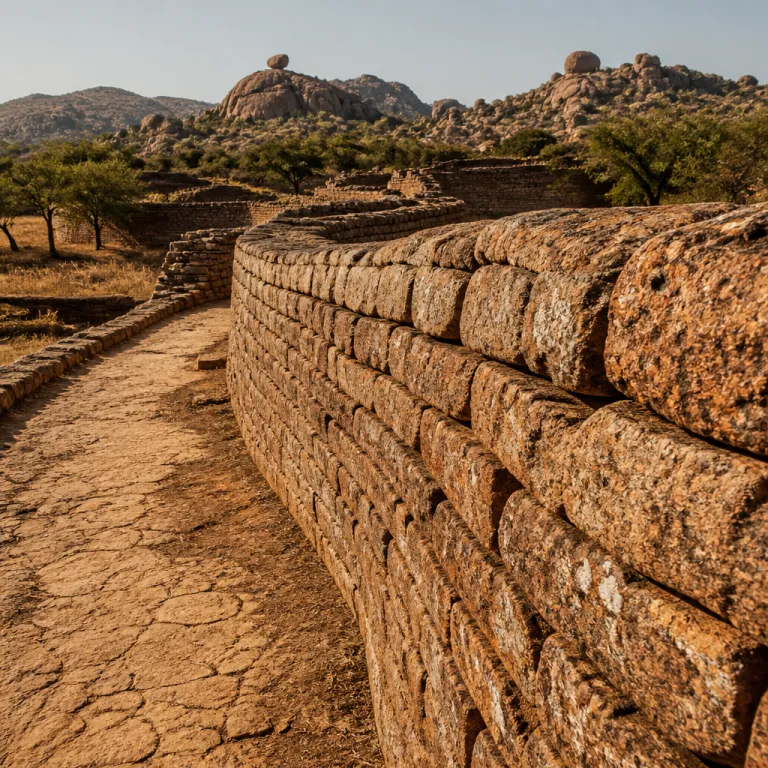
Why a great Zimbabwe ruins Matobo Hills visit belongs in a luxury itinerary
Most people fly into Zimbabwe for a safari, tick off Victoria Falls, then fly out again. A great Zimbabwe ruins Matobo Hills visit adds intellectual depth to that classic Africa circuit, turning a wildlife holiday into a journey through an ancient city and sacred granite hills. For solo travelers who care about culture as much as big game, this is where Zimbabwe great heritage sites start to feel personal.
Great Zimbabwe National Monument lies near the city of Masvingo, a 722 hectare complex of stone walls, passageways and terraces that once anchored regional trade routes across southern Africa. The Shona people built this ancient city between the 11th and 15th centuries, and the great enclosure and hill complex still dominate the landscape with an almost cinematic presence. When you walk these Zimbabwe ruins with a serious guide, the narrative of power, trade and belief systems feels as compelling as any top wildlife sighting in a national park.
Three hundred and forty kilometres southwest, Matobo Hills rises in a sweep of granite whalebacks and balancing boulders that shelter more than 3 000 rock art sites Zimbabwe authorities now protect as a UNESCO landscape. Here the San people painted animals, hunters and trance scenes on cave walls, leaving some of the most evocative rock art in Africa. A great Zimbabwe ruins Matobo Hills visit lets you read those paintings in the morning, then track rhino on foot in Matobo National Park by afternoon, a rare combination of ancient culture and modern conservation.
Designing the three day archaeological route: Masvingo, Bulawayo and Matobo
The most efficient way to structure a great Zimbabwe ruins Matobo Hills visit is as a three day detour between safari hubs. Many travelers start in Victoria Falls, then route through Hwange National Park and Hwange National private concessions before turning southeast toward Masvingo and the national monument. From there, the road to Bulawayo and Matobo Hills threads through small Zimbabwe national towns where daily life, not tourism, sets the rhythm.
Day one focuses on Great Zimbabwe, where you can spend a full day moving between the hill complex, the valley ruins and the great enclosure with a National Parks Authority guide. Climbing the granite path to the hill complex gives wide views over the surrounding stone walls and the pools and dams that once supplied this ancient city. Late afternoon is the best time to feel the temperature drop, hear birds settle and understand why this site became one of the most important attractions in precolonial Zimbabwe great history.
On day two, drive roughly three and a half to four and a half hours to Bulawayo, Zimbabwe’s second city and the cultural heartland of Ndebele heritage. Use the city as a comfortable overnight base, or continue another 45 minutes to the granite ridges of Matobo National Park and the wider Matobo Hills cultural landscape. This is also the right moment to reflect on colonial legacies at places like the Victoria Falls Hotel, whose layered story of architecture and empire is unpacked in detail in this analysis of colonial heritage in Zimbabwe’s grand hotels.
Where to stay: from Norma Jeane’s to granite eyries in Matobo
For Great Zimbabwe, the most atmospheric base is Norma Jeane’s Lake View Resort, a characterful property set on a hill above Lake Mutirikwi about 10 kilometres from the national monument. Rooms are simple rather than overtly luxurious, but the gardens, stone terraces and lake views give the place a country house feel that suits a thoughtful great Zimbabwe ruins Matobo Hills visit. Solo travelers appreciate the intimate dining room, where conversations about Africa history, safari plans and the day’s things seen at the ruins flow easily between tables.
Closer to Matobo Hills, Big Cave Camp is the standout choice for travelers who want granite drama with their comfort. The lodge is literally built into a boulder field, with stone and timber chalets tucked under overhangs and a main area that seems to float above a valley of pools and kopjes inside the wider Matobo National Park. From the deck you can scan for rhino, watch the light move across the hills and plan which rock art caves or heritage sites you will visit the next morning.
Those combining this cultural route with a longer Zimbabwe national safari often pair Big Cave Camp with high end properties in Hwange National and Mana Pools National Park, creating a circuit that balances wildlife density with archaeological depth. If you are interested in how conservation and technology intersect along the Zambezi and near Victoria Falls, the piece on corporate support for ZimParks rangers shows how modern tools now protect both animals and people. Building your trip this way means your nights in stone built lodges and canvas camps all speak to a single, coherent Zimbabwe great story.
What you actually do on site: from stone walls to rock art and rhino
At Great Zimbabwe, the day usually starts at the museum, where scale models and artefacts frame the narrative of this ancient city before you step into the real stone corridors. A guided walk through the valley ruins helps you understand how ordinary people lived, traded and worshipped beneath the hill complex and great enclosure, which were reserved for elites and ritual specialists. One dataset summary puts it clearly : "What is Great Zimbabwe?" and the answer is given as "An ancient city built by the Shona people between the 11th and 15th centuries."
From there, you climb to the hill complex itself, a steep but manageable ascent over granite that rewards you with views across the national monument and surrounding countryside. The dry season is generally the best time for this, when paths are firm, grass is low and afternoon storms are rare, making a great Zimbabwe ruins Matobo Hills visit logistically smoother. Late light catches the stone walls in warm tones, and your guide can point out things like hidden passageways, ritual enclosures and vantage points that once controlled access to the heart of this Zimbabwe ruins power centre.
In Matobo Hills, the focus shifts from built stone to painted rock art and wildlife. You might spend a morning hiking to caves where San people left ochre figures of giraffe, kudu and human dancers, then drive into Matobo National Park for a guided rhino tracking walk that rivals any experience in Hwange National or Mana Pools National Park. The combination of rock art, living wildlife and the pools and dams that sustain them makes Matobo one of the most layered attractions in Africa for people who want both culture and safari on a single trip.
Context, ethics and how this route fits into a wider Zimbabwe trip
Part of the power of a great Zimbabwe ruins Matobo Hills visit lies in how it reframes the rest of your Zimbabwe travel. After walking the stone walls of an ancient city and tracing rock art panels that predate most written history, a sunset at Victoria Falls or a game drive in Hwange National Park feels anchored in a much longer human story. You start to see Zimbabwe national landscapes not just as safari backdrops, but as living heritage sites where people have shaped, and been shaped by, the land for millennia.
Matobo Hills also forces a more nuanced conversation about colonial legacies, especially around Cecil Rhodes’ grave at World’s View, which many visitors still treat as a top viewpoint. Local guides in Matobo National Park and Bulawayo can explain how Ndebele communities relate to this site, and why some people question the prominence given to Rhodes within a Zimbabwe great cultural landscape defined by far older rock art and spiritual traditions. Listening to those perspectives, and choosing which attractions to prioritise, is part of traveling responsibly in Africa as a solo explorer.
When you fold this archaeological route into a longer itinerary that includes Victoria Falls, Hwange National and Mana Pools National Park, you create a trip that balances headline safari things with quieter, more reflective days. Birders might time their visit to coincide with the green season in Hwange, when migrant species turn the pools and pans into a theatre of colour, as explored in this guide to birding Zimbabwe’s green months. However you structure it, giving three days to Great Zimbabwe, Matobo Hills and the surrounding sites Zimbabwe protects is one of the most rewarding decisions you can make on a Zimbabwe ruins focused journey.
Practical tips for luxury and premium travelers on the archaeological route
For most travelers, the best time for a great Zimbabwe ruins Matobo Hills visit is the dry season, when roads are reliable and temperatures at the national monument and in Matobo National Park are comfortable for hiking. Self drive is entirely feasible on tarred roads between Masvingo, Bulawayo and the Matobo Hills turnoff, but many luxury guests prefer a private driver guide so they can focus on the landscape, not the logistics. Either way, build in time for unhurried walks at both heritage sites, rather than rushing between attractions as if they were just another set of safari checklists.
Hiring local guides at Great Zimbabwe and in Matobo Hills is non negotiable if you care about context. These are the people who can explain how the Shona people organised their ancient city, why the great enclosure still matters symbolically, and how San rock art in Matobo connects to living spiritual practices in nearby villages. They also know the safest ways to approach rhino on foot in Matobo National Park, reading wind, terrain and animal behaviour long before most visitors notice anything at all.
From a booking perspective, treat Norma Jeane’s and Big Cave Camp as anchor properties on this route, then add nights in Victoria Falls, Hwange National and Mana Pools National Park according to your interests. Work with operators who understand both the safari side and the archaeological side of Zimbabwe travel, so your great Zimbabwe ruins Matobo Hills visit feels like an integrated narrative rather than a bolt on excursion. Done well, this three day detour becomes the quiet centre of gravity in a trip that might otherwise be all about falls, pools, predators and the next top wildlife sighting.
FAQ
What is Great Zimbabwe and why is it significant ?
Great Zimbabwe is an ancient city built by the Shona people between the 11th and 15th centuries, and it is the largest complex of stone ruins in southern Africa south of the Sahara. The site’s great enclosure, hill complex and valley ruins show sophisticated engineering, trade links and social organisation. Today it is protected as a UNESCO World Heritage national monument and is central to Zimbabwe’s national identity.
What can I see in Matobo Hills during a visit ?
Matobo Hills offers dramatic granite scenery, extensive San rock art and excellent wildlife viewing inside Matobo National Park. Visitors can hike to painted caves, visit key heritage sites and viewpoints, and join guided rhino tracking walks that rival experiences in Hwange National or Mana Pools National Park. The area also holds important Ndebele cultural sites and contested colonial era graves, which local guides can contextualise.
How far is Matobo Hills from Great Zimbabwe and how do I travel between them ?
The distance between Great Zimbabwe near Masvingo and Matobo Hills near Bulawayo is roughly 340 kilometres by road. The drive usually takes about four and a half hours on mostly tarred roads, making it an easy one day transfer for a great Zimbabwe ruins Matobo Hills visit. Many luxury travelers arrange a private driver guide, though confident drivers can self drive this section.
Can I combine Great Zimbabwe and Matobo Hills with a safari itinerary ?
Yes, Great Zimbabwe and Matobo Hills fit naturally between Victoria Falls and the major safari areas of Hwange National Park and Mana Pools National Park. Many itineraries start at Victoria Falls, continue to Hwange National, then route through Masvingo and Bulawayo before ending in Mana Pools or another pools national landscape. This structure allows you to balance wildlife, stone built heritage sites and rock art within a single Zimbabwe trip.
What is the best time of year to visit these heritage sites ?
The dry season is generally considered the best time for a great Zimbabwe ruins Matobo Hills visit, because roads are in good condition and walking conditions at both sites are comfortable. Cooler mornings and clear skies make climbing to the hill complex and exploring rock art caves more pleasant. However, shoulder seasons can be rewarding for travelers who prefer fewer people at the main attractions and do not mind occasional showers.