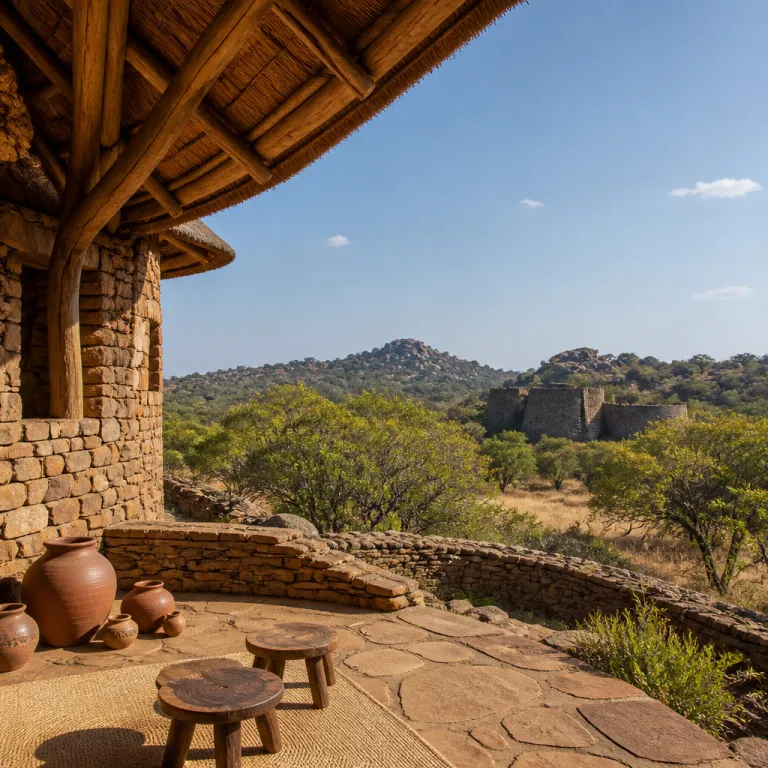
From Great Zimbabwe to your lodge veranda
Your first view of a Zimbabwe lodge often feels strangely familiar. The curved stone walls, low silhouettes, and thick thatch echo an older african story that runs far deeper than safari marketing language. In Zimbabwe, zimbabwe lodge architecture design culture is not a style choice but a continuation of heritage.
Great Zimbabwe’s dry stone architecture, built without mortar, underpins much contemporary lodge design across the south of the country. Properties near Masvingo, such as Lodge at the Ancient City, use local stone and traditional architecture techniques to mirror the monument’s sweeping enclosures while still offering modern comforts. This approach to architectural form means your luxury house for the night is visually linked to the same village landscapes that shaped Shona civilisation.
Leobo Lodge, although located across the border in south africa, shows how architects influenced by Zimbabwean stonework export these ideas across africa. Its walls reference the same stacked granite aesthetic that you see again in Zimbabwe’s Matobo region lodges. When you compare these properties with more generic safari lodges elsewhere, the difference in design african authenticity becomes immediately clear.
Granaries, circles, and the philosophy of open spaces
Look closely at many luxury safari lodges in Zimbabwe and you will notice circular forms everywhere. Spa pavilions, guest suites, and even outdoor lounges often echo the rounded Shona granary house that once stored grain in every village. This repetition of traditional african geometry gives the architecture a quiet coherence that guests feel even before they understand it.
In Matobo, Amalinda Lodge folds its rooms into the granite boulders, using curved stone and thatch to create intimate interior design while leaving huge openings to nature. At Singita Pamushana in the south, gallery walls and terraces arc like miniature Great Zimbabwe enclosures, yet the spaces remain resolutely modern with clean lines and carefully edited decor. Across these lodges, lodge architects use circular plans to soften the boundary between built structures and the surrounding african bush.
This open sided philosophy runs deeper in Zimbabwe than in many East African safari lodge designs, where walls and glass often dominate. Here, architects treat the veranda as the primary room and the enclosed interior as a retreat only when weather demands it. The result is a lodge design language where you sleep inside, but you live in the open air.
Indoor meets outdoor: living in the landscape, not just looking at it
Zimbabwe’s most compelling safari lodges are not placed on the land so much as stitched into it. Canvas, stone, and timber are arranged to frame specific trees, game paths, and waterholes, turning everyday movements into quiet theatre. This is where zimbabwe lodge architecture design culture becomes an experience rather than a visual.
Somalisa in Hwange uses canvas and teak to create a modern yet traditional house in the bush, with tent walls that roll up so your bedroom becomes a viewing deck. At Matetsi near victoria falls, the architectural rhythm runs parallel to the Zambezi, with each luxury suite angled for maximum river frontage and cooling breezes from the south. These hotels prove that when lodge architects respect nature’s lines, interior design decisions about furniture and art feel almost secondary.
Compare this with some south african safari lodges where heavy glazing separates guests from the elements, and the Zimbabwean difference is obvious. Here, the open firepit, the outdoor shower, and the shaded deck are treated as primary living spaces. You are not just watching africa through a window ; you are inhabiting it hour by hour.
Artisans, heritage, and the stories inside the walls
Step inside a thoughtfully designed Zimbabwe lodge and the cultural layering continues. Basketry from nearby village cooperatives, carved stone sculpture, and hand built pottery turn public spaces into living galleries. This is zimbabwe lodge architecture design culture expressed through objects as much as through walls.
Singita Pamushana’s contemporary art gallery, set within its stone and thatch architecture, showcases regional artists whose work speaks directly to the surrounding landscape. At properties near Masvingo and Matobo, local artisans trained in traditional african crafts supply textiles, stools, and wall hangings that reference both Great Zimbabwe motifs and everyday village life. These collaborations support local economies while ensuring that the hotel interiors feel rooted rather than imported from cape town showrooms.
One industry summary captures the logic behind this approach with disarming clarity ; “Stone, thatch, and wood” are described as the core materials in traditional Zimbabwean lodges, and “Yes, they blend tradition with modern comforts.” For guests, that means your luxury safari suite can feature high thread count linens and solar powered lighting while still smelling faintly of fresh thatch. The emotional difference between sleeping in such a grounded space and in a generic international hotel is profound.
Planning your stay: reading architecture as part of your safari
When you plan a trip through Zimbabwe, the way a lodge is built should sit alongside game viewing and guiding quality in your decision making. Architecture is not background decoration ; it shapes how you feel after a long day on safari. Understanding zimbabwe lodge architecture design culture helps you choose places where the building itself enriches your journey.
Near Masvingo, staying at a lodge that references Great Zimbabwe’s traditional architecture lets you pair a site visit with nights in stone walled suites that echo the monument’s curves. Around victoria falls, river facing lodges like Matetsi use low slung architectural profiles so the Zambezi and its islands remain the main event, not the hotel. In Matobo, granite hugging lodges turn the landscape into both structural support and sculptural backdrop, creating spaces that feel carved rather than constructed.
If you are connecting through the international airport in Harare or Victoria Falls, consider how your route might link Zimbabwe with south africa or Botswana’s okavango safari regions. Properties such as Sandibe Okavango and Singita Lebombo in south african reserves show how the same lodge architects, including figures like Nicholas Plewman and other lodge Nicholas design studios, interpret design african principles across borders. For a deeper dive into how to match these architectural nuances with your travel style, explore this guide to luxury and premium hotel booking websites in Zimbabwe on elevating your stay.
Beyond borders: regional influences, land, and responsibility
Zimbabwe does not design in isolation ; its lodges sit within a wider southern africa conversation about land, culture, and responsibility. Debates around land reform, community ownership, and conservation concessions all influence where safari lodges are built and how they relate to nearby villages. Architecture becomes a visible statement about who the landscape is for.
Some of the most thoughtful lodge design in the region comes from south african and Zimbabwean architects who work across borders, from cape town studios to remote bush sites. They move between projects in Zimbabwe, south africa, and the okavango safari region, refining ways to combine modern engineering with traditional architecture references. Sandibe Okavango’s organic forms and Singita Lebombo’s cliff hugging steel and glass show how design african ideas can be stretched without losing their connection to nature.
For you as a guest, choosing lodges and hotels that engage openly with these questions is a powerful act. Ask how local artisans are involved, how village partnerships work, and how the architecture responds to wildlife corridors. The most rewarding safari lodges in Zimbabwe and beyond are those where luxury, heritage, and the open sky sit in honest conversation.
FAQ
How does Great Zimbabwe influence today’s lodge architecture ?
Many Zimbabwe lodges borrow from Great Zimbabwe’s curved dry stone walls and low, fortress like silhouettes. Architects use local stone and similar stacking techniques to create thick, thermally efficient walls without visible mortar. This gives modern luxury properties a strong sense of continuity with the country’s most important heritage site.
What materials are most common in traditional Zimbabwean lodges ?
Stone, thatch, and timber sourced from managed forests remain the core materials. These elements are often combined with steel framing and glass to meet modern safety and comfort standards. The result is a layered architectural language where traditional textures sit alongside contemporary detailing.
Are modern amenities available in culturally inspired lodges ?
Yes, high end Zimbabwe lodges typically offer full modern amenities, from reliable hot water to solar powered charging points. Many suites feature plunge pools, high quality bedding, and sophisticated interior design. The key difference is that these comforts are wrapped in architecture that reflects local culture rather than generic international trends.
Why do Zimbabwe lodges blur indoor and outdoor spaces so strongly ?
The climate in much of Zimbabwe allows for open air living for most of the year. Designers respond by prioritising verandas, decks, and outdoor lounges as primary living areas. This approach keeps guests visually and acoustically connected to wildlife and nature throughout their stay.
How can I choose a lodge that supports local communities and heritage ?
Look for properties that use local materials, employ nearby artisans, and reference traditional architecture in meaningful ways. Ask about community partnerships, guiding training programmes, and cultural experiences that go beyond staged performances. Lodges that can answer these questions clearly usually have a deeper commitment to both heritage and responsible tourism.
References
Zimbabwe Tourism Authority ; Tourism and Hospitality Industry Policy documents.
Lodge at the Ancient City official information.
Meerkat Adventures analysis of cultural influence on luxury safari lodge design.