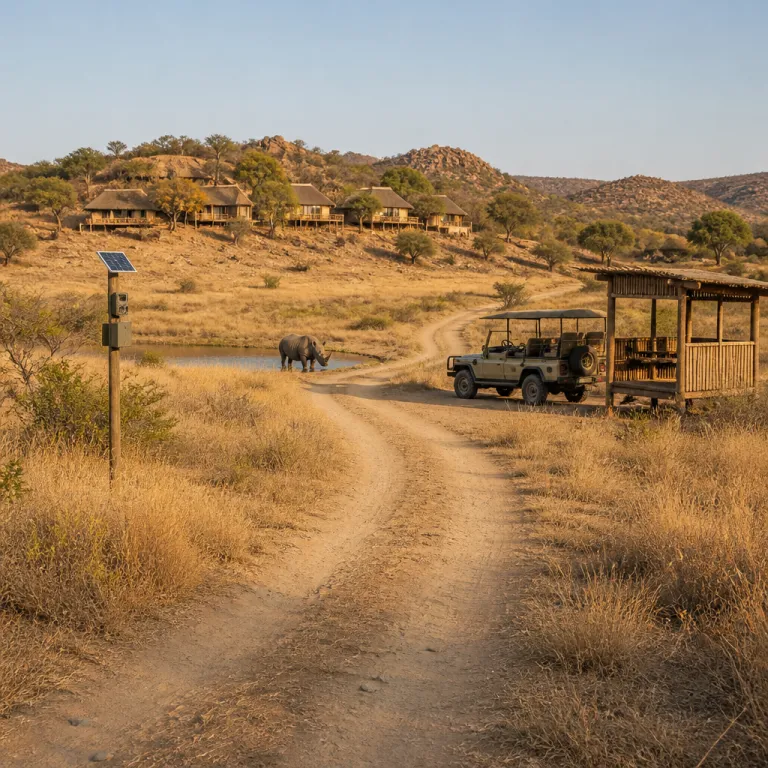
Section 1 – Zimbabwe’s black rhino numbers and why they matter for luxury travellers
Zimbabwe now holds one of Africa’s most important strongholds for the black rhino, and that reality should shape how you plan any high end safari. Across Zimbabwe the population of black rhinos, the species Diceros bicornis, has climbed back from the brink through disciplined rhino conservation work and carefully managed tourism. For a traveller choosing between safaris in different parts of Africa, understanding where the population of black and white rhino is genuinely recovering helps you decide where your luxury spend has the greatest impact.
Current data from regional conservation bodies place Zimbabwe as the country with the fourth largest population of black rhinos in Africa, with several hundred individuals spread between the Lowveld region, the Zambezi Valley and the Matobo Hills. As of 2024, conservation authorities report that the national total of black rhino now sits in the mid hundreds, while white rhino numbers are also stabilising in key private and state run areas. When you see a black rhino on safari in Zimbabwe, you are looking at the result of long term investment in anti poaching, community partnerships and high calibre wildlife monitoring rather than a lucky accident. As one senior ranger in the Lowveld region put it in a 2023 briefing, “every rhino we see on patrol represents years of quiet, patient work behind the scenes.”
For travellers researching a Zimbabwe black rhino safari itinerary for 2026 and beyond, the headline is simple yet powerful. This is one of the best Zimbabwe destinations if you want your luxury safaris to fund serious conservation work rather than just polished sundowners. Choosing a national park or private reserve that is based in a core rhino landscape, and then booking a lodge that is transparent about its conservation fees, is the most direct way to turn your stay into a contribution to the future of black rhinos.
Section 2 – Where to track black rhino on foot: Matobo and the southern Lowveld
If your priority is tracking rhinos on foot with elite guides, Matobo National Park in south western Zimbabwe remains the reference point. Here the granite whalebacks of the Matobo Hills hold some of the country’s most reliable rhino sightings, with both black rhinos and white rhino protected inside an intensively monitored core area. Walking safaris in this national park are tightly regulated, and only guides with advanced weapons training and deep wildlife experience are licensed to lead guests close to a rhino.
Morning is usually the best time for these safaris, when temperatures in this part of south Zimbabwe are still cool and rhinos are more active in the open. A typical half day walk from a luxury lodge near Matobo National Park starts with a vehicle transfer to the monitoring zone, followed by a safety briefing and then a slow, quiet approach on foot using the wind and terrain. Success rates for tracking a rhino here are high, because the park’s rangers maintain detailed, near real time data on individual animals and share that information with guides as part of the wider rhino conservation effort.
Further south and south eastern, the Lowveld region around Bubye Valley Conservancy offers a different style of rhino experience, usually vehicle based but still intimate. This Lowveld landscape is one of the safaris best areas in Africa for seeing both species in the same drive, and many travellers combine a stay here with time in Matobo for a walking focus. If you are pairing rhino tracking with a water based safari on the Zambezi, consider adding a night or two on a river vessel such as those featured in this guide to a luxury water based safari on the Zambezi, then flying south to the Lowveld for land based rhino encounters.
Section 3 – Matusadona National Park and the return of black rhinos to Lake Kariba
On the northern shore of Lake Kariba, Matusadona National Park is quietly becoming one of the most compelling stories in African wildlife recovery. Once a stronghold for black rhino, the park lost its population to poaching, and for years luxury travellers came mainly for elephants, lions and the lake’s broad, copper coloured sunsets. That narrative is changing as African Parks, working with Zimbabwe Parks and Wildlife Management Authority under a long term co management agreement signed in 2019, has begun re establishing a population of black rhinos inside Matusadona National Park.
Seventeen black rhinos have already been reintroduced into the Matusadona National Park landscape under this programme, with more planned under a phased translocation strategy that uses advanced wildlife monitoring technology. Each rhino is fitted with a real time tracking device, and rangers use drones and ground patrols to secure the park’s core zones, while bomas near the lake allow new arrivals to acclimatise before release. For guests staying at the growing cluster of luxury lodges along the Matusadona shoreline, this means that a Zimbabwe based rhino safari focused on 2026 can now include boat based game viewing on Lake Kariba, classic vehicle safaris in the park and, in time, carefully controlled rhino sightings.
Tourism revenue here has surged since African Parks took on co management, with official updates reporting more than a tenfold increase in park income between 2019 and 2023, and every high end stay helps fund more rangers, better equipment and expanded monitoring. If you are building a trip that balances conservation with wellness, look for lodges that pair rhino conservation briefings with serious spa programmes, such as those highlighted in this overview of wellness focused safari lodges in Zimbabwe. Matusadona is not yet the easiest place in Zimbabwe for guaranteed rhino sightings, but it is one of the most meaningful places to base yourself if you want your luxury stay to underwrite the return of black rhinos to a great national park on Lake Kariba.
Section 4 – Zambezi Valley, Hwange and how your stay funds anti poaching work
Beyond the headline rhino areas, a Zimbabwe black rhino safari itinerary for 2026 often weaves through the Zambezi Valley and Hwange, even though these landscapes are better known for elephants and predators. In the Zambezi Valley, national parks such as Mana Pools form part of a wider conservation mosaic that connects to rhino habitats further south and into neighbouring countries. When you stay at a luxury camp here, your conservation levy may not support rhino monitoring directly, but it still strengthens the broader wildlife corridors that black rhinos and white rhino ultimately depend on.
Hwange National Park and the Matetsi region to the north west are also benefiting from new funding streams that support anti poaching work across a huge swathe of western Zimbabwe. A recent European lottery grant has been directed into the Hwange Matetsi Zambezi landscape, targeting ranger patrols, intelligence networks and aerial surveillance that protect elephants, lions and, indirectly, any future rhino movements. If you want to understand how corporate partnerships translate into boots on the ground, this analysis of how private funding equips ZimParks rangers in the Zambezi and Victoria Falls area is essential reading before you book.
Victoria Falls itself is not a core rhino destination, but it is a natural gateway for many of the best Zimbabwe itineraries that then connect to Matobo, the Lowveld region or Matusadona National Park. From here you can also link into South Africa, where some travellers choose to add a short stay in a private reserve with high density rhino sightings before or after their time in Zimbabwe. The key is to ask each lodge how your conservation fees are allocated, whether they support rhino conservation directly, fund long term monitoring in a specific park or contribute to broader national anti poaching strategies.
Section 5 – Choosing the right luxury lodge for a rhino focused itinerary
For a traveller planning a Zimbabwe black rhino safari centred journey in 2026, the choice of lodge is as important as the choice of park. In Matobo National Park, look for small, owner managed properties or high end camps that employ guides with decades of experience in rhino tracking on foot, and ask directly about their safety protocols and success rates. A great lodge in this region will be transparent about how many rhino walks they conduct each week, how they coordinate with park rangers and what proportion of your nightly rate goes into rhino conservation.
In the Lowveld region, particularly around Bubye Valley, luxury properties tend to offer more vehicle based rhino sightings, often with the chance to join a monitoring drive alongside the reserve’s research team. Here you can expect to see both black rhinos and white rhino in open savannah and thicket, with guides explaining how individual animals are identified and how the population of black rhino is managed for genetic diversity. Some lodges also offer behind the scenes visits to operations rooms where real time data from tracking collars and patrols is collated, giving you a rare view of the work that underpins those effortless looking sundowner drives.
At Matusadona National Park, the current focus is on building up tourism in a way that supports African Parks and Zimbabwe Parks and Wildlife Management Authority without overwhelming the recovering wildlife. When comparing options here, prioritise lodges that cap guest numbers, invest in low impact boats for lake based game viewing and employ local staff who can speak to the park’s history. Across all these regions, the best Zimbabwe properties for rhino focused safaris are those that treat conservation as a core part of the guest experience rather than a marketing line, weaving rhino conservation briefings, monitoring updates and honest discussions about poaching into the rhythm of each day.
Section 6 – Practical planning: timing, guiding standards and cross border combinations
Timing your trip well is crucial if you want to maximise rhino sightings while still enjoying the full range of Zimbabwe’s wildlife. The dry season, when vegetation is thinner and animals concentrate around water, generally offers the best conditions for tracking black rhino on foot in Matobo and for vehicle based viewing in the Lowveld region. In Matusadona National Park, lower lake levels during the drier months expose more shoreline, making it easier to see wildlife from boats while still supporting the park’s intensive monitoring work.
Guiding standards are another non negotiable element of any Zimbabwe black rhino safari itinerary, especially if you plan to walk. Only a small cadre of Zimbabwean professional guides hold the qualifications required to lead guests safely near a rhino, and their training includes years of apprenticeship, advanced firearms handling and deep study of animal behaviour. When you book a luxury lodge, ask whether your rhino walks will be led by a fully licensed Zimbabwean professional guide, how many years they have been based in that specific region and how they coordinate with national park rangers and private monitoring teams.
Many travellers pair Zimbabwe with South Africa, using Johannesburg as a hub to connect to both countries’ key wildlife regions. One approach is to start with a high density, vehicle based rhino experience in a private reserve in South Africa, then fly north to Zimbabwe for more immersive, walking led safaris in Matobo National Park and the Lowveld region. This combination allows you to experience different styles of rhino conservation in two countries, compare how each manages its population of black and white rhino and, most importantly, ensure that your luxury spend supports long term protection of these animals across a wider African landscape.
Key figures for rhino conservation and tourism in Zimbabwe
- Zimbabwe now holds one of the world’s four largest national populations of black rhino, with several hundred individuals spread across the Lowveld, Matobo and Matusadona landscapes, making it a strategic country for rhino focused safaris in Africa. These figures are drawn from regional rhino status reports published between 2022 and 2024.
- In Matusadona National Park, 17 black rhinos have already been reintroduced under a programme managed by African Parks and Zimbabwe Parks and Wildlife Management Authority, signalling the return of this species to a lake based park that had previously lost its rhinos to poaching.
- Tourism revenue in Matusadona has increased more than tenfold since African Parks entered a co management agreement in 2019, illustrating how luxury lodge stays and park fees can rapidly strengthen wildlife monitoring and anti poaching capacity.
- Long term funding commitments, including multi decade partnerships between international NGOs, philanthropic foundations and Zimbabwe’s conservation authority, are designed to channel tens of millions of dollars into national park protection, directly benefiting rhino conservation and broader wildlife security.
- Across Zimbabwe’s core rhino areas, intensive monitoring using real time tracking devices, drones and ground patrols has significantly reduced poaching incidents compared with previous decades, improving the outlook for both black rhinos and white rhino.
Frequently asked questions about tracking black rhino in Zimbabwe
Where can I see black rhinos in Zimbabwe ?
The most reliable places to see black rhinos in Zimbabwe are Matobo National Park, the Lowveld region around Bubye Valley Conservancy and, increasingly, Matusadona National Park on Lake Kariba. Matobo offers some of the best on foot tracking in Africa, while the Lowveld provides excellent vehicle based viewing of both black rhino and white rhino. Matusadona is rebuilding its population through reintroductions, so sightings there are still emerging but carry strong conservation significance.
How does visiting Matusadona support rhino conservation ?
Every guest night in Matusadona National Park contributes park fees and conservation levies that help fund anti poaching units, wildlife monitoring and community engagement programmes. Because African Parks and Zimbabwe Parks and Wildlife Management Authority co manage the park, tourism revenue is directly channelled into the systems that protect black rhinos and other wildlife. Choosing a luxury lodge that is transparent about its conservation contributions amplifies the impact of your stay.
What measures protect rhinos in Matusadona and the Lowveld ?
Protection in these areas combines real time tracking devices on individual rhinos, drone surveillance, ground patrols and tightly controlled access to core zones. Rangers and monitoring teams work closely with lodge guides to share information on rhino movements, which improves both security and guest viewing opportunities. Intensive protection zones, rapid response units and strong legal frameworks further reduce the risk of poaching.
Is walking with rhinos in Matobo safe for solo travellers ?
Walking with rhinos in Matobo National Park is tightly regulated and considered safe when conducted with fully licensed Zimbabwean professional guides. These guides undergo extensive training in firearms handling, animal behaviour and guest management, and they coordinate closely with park rangers before each walk. Solo travellers are usually grouped with a small number of other guests, keeping the experience intimate while maintaining safety.
Does my luxury lodge fee really make a difference to rhino numbers ?
In Zimbabwe’s key rhino landscapes, conservation levies and park fees from luxury lodges are a critical part of the funding mix that keeps rangers in the field and monitoring systems running. While no single stay transforms a population, consistent high end tourism allows parks to plan long term, hire and retain skilled staff and invest in better technology. Choosing properties that publish their conservation contributions and partner with reputable organisations is the most effective way to ensure your visit genuinely supports black rhinos.
Key sources for the figures and programmes mentioned above include public updates from African Parks, Zimbabwe Parks and Wildlife Management Authority and regional rhino conservation reports issued between 2019 and 2024.