How zimparks anti-poaching victoria falls operations shape the luxury safari experience
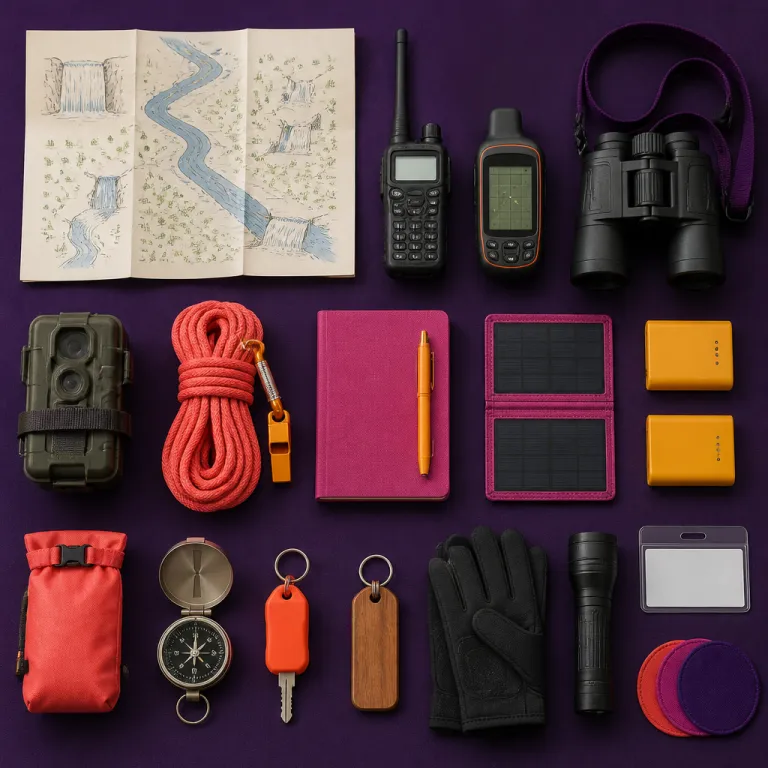
On the Zambezi escarpment above Victoria Falls, the link between corporate support and ranger capacity is no longer abstract for travelers. In June 2023, Econet Wireless publicly announced, in a joint statement with the Zimbabwe Parks and Wildlife Management Authority (ZimParks), that it had supplied 40 two-person tents, 40 sleeping bags, 40 pairs of patrol boots, 40 webbing belts and 40 torches to rangers in Zambezi and Victoria Falls National Parks. This equipment directly strengthened anti-poaching patrols that protect the wildlife you come to see. As ZimParks Director General Edison Gandiwa put it in that release, “This timely contribution strengthens our frontline capability in safeguarding wildlife,” and that frontline is the same mosaic of riverine forest, basalt outcrops and spray-drenched gorges that frames your sundowner cruise or helicopter flight over the falls.
For solo travelers booking premium lodges around vic falls, the impact of this anti-poaching support is tangible in every dawn game drive along the Zambezi National Park river road. Better equipped rangers can stay longer in the field, track poachers more safely and coordinate with the local rapid reaction unit and the Victoria Falls Anti-Poaching Unit (VFAPU). VFAPU’s own reports note that since its founding in 1999 the unit has removed thousands of wire snares and assisted in hundreds of arrests. That kind of sustained enforcement has contributed to reduced poaching incidents in the immediate falls area, more stable elephant herds, relaxed buffalo and reliable sightings of plains game on the open floodplains. This stability underpins the high-quality guiding that serious wildlife photographers and conservation-minded guests now expect from Zimbabwe’s national parks.
The zimparks anti-poaching victoria falls corridor is also where the broader IFAW–ZimParks partnership, a long-term conservation programme valued at around 50 million US dollars over 25 years according to IFAW programme summaries, is reshaping how national park management is funded. Corporate donors such as Econet Wireless sit alongside international wildlife trust organisations and local operators, creating a layered safety net for falls wildlife and for the communities that live along the Zambezi. When you read general news about poacher arrests, snare removals or reduced poaching incidents in this park, you are seeing the measurable results of that model, not an abstract press release.
These partnerships are not a complete solution. Corporate donations often arrive in waves, tied to marketing cycles or flagship events, and can leave gaps in day-to-day operations such as vehicle maintenance, fuel or long-term ranger salaries. For travelers, recognising these limits adds nuance: your park fees, conservation levies and lodge contributions help smooth out those funding peaks and troughs so that anti-poaching patrols remain consistent long after the latest press conference has faded from view.
From marathon route to ranger patrol: why your hotel choice matters
The Econet donation did not appear from nowhere; it grew out of a long-running relationship between the telecom company and ZimParks, forged around the annual Victoria Falls Marathon. Rangers who once secured the race route through the national park now use the same trails for intensified anti-poaching patrols, sleeping in those new tents between shifts and using the torches to move safely at night. For guests staying at heritage properties such as the grand Victoria Falls Hotel, whose colonial architecture still defines the town’s skyline, this is the unseen security layer behind every serene terrace breakfast overlooking the gorge.
Luxury lodges and premium hotels near victoria falls increasingly frame their conservation messaging around this kind of targeted ranger support rather than vague wildlife philanthropy. When you book a river-facing suite or a room with direct views of the spray, part of your nightly rate feeds back into park fees and concession levies that help ZimParks maintain wildlife protection patrols and coordinate with VFAPU and other specialist units. Choosing a property that transparently reports its contributions to national parks funding, ideally with figures on annual donations or funded patrol days, is now as important as comparing spa menus or private plunge pools for any traveler who cares about conservation.
For solo explorers, the practical question is how to read general news and hotel marketing without getting lost in jargon. Look for lodges that reference specific partnerships with ZimParks, IFAW or a named wildlife trust, and that can explain how many patrol days, ranger positions or community projects their contributions support in the Zambezi National Park and the wider victoria falls landscape. On specialist platforms such as MyZimbabweStay, detailed reviews of heritage stays at the Victoria Falls Hotel and other high-end properties help you separate genuine conservation engagement, backed by data and clear reporting, from generic greenwashing.
Planning a conservation led stay: practical choices for solo luxury travelers
Booking a premium room in victoria falls or upstream along the Zambezi is no longer just about the view of the falls; it is about aligning your stay with ongoing ZimParks anti-poaching efforts that keep this UNESCO-listed landscape intact. Start by asking your lodge how it collaborates with ZimParks rangers who now patrol with Econet-supplied tents, boots and torches, and whether guides share real-time poacher news, snare removal statistics or wildlife updates from the field. Properties that brief guests on current poaching risks, community projects and ranger needs tend to be the ones most deeply embedded in the conservation economy.
If your itinerary extends beyond vic falls to heritage sites such as Great Zimbabwe or the Matobo Hills, choose operators that maintain the same conservation standards across multiple national parks. Many high-end camps now integrate junior ranger-style activities and conservation storytelling into their programming, and resources such as MyZimbabweStay’s guide to lodges with effective junior ranger programmes can help you identify which properties turn that talk into measurable support for ZimParks. For a solo traveler, joining a guided walk with a ranger who has just come off an anti-poaching patrol, and can point out fresh spoor or recently dismantled snares, is often more meaningful than adding another adrenaline activity to your schedule.
Ultimately, every night you spend in a luxury room near the Zambezi or the falls is a small but concrete vote for a particular model of conservation finance. Econet’s equipment donation shows how corporate Africa can underwrite ranger safety and operational reach, while your park fees and lodge levies keep those patrols viable between big announcements. Choose well, ask precise questions and your Zimbabwe stay will support the same frontline that keeps the spray thundering, the wildlife moving and the Zambezi National Park worth returning to.