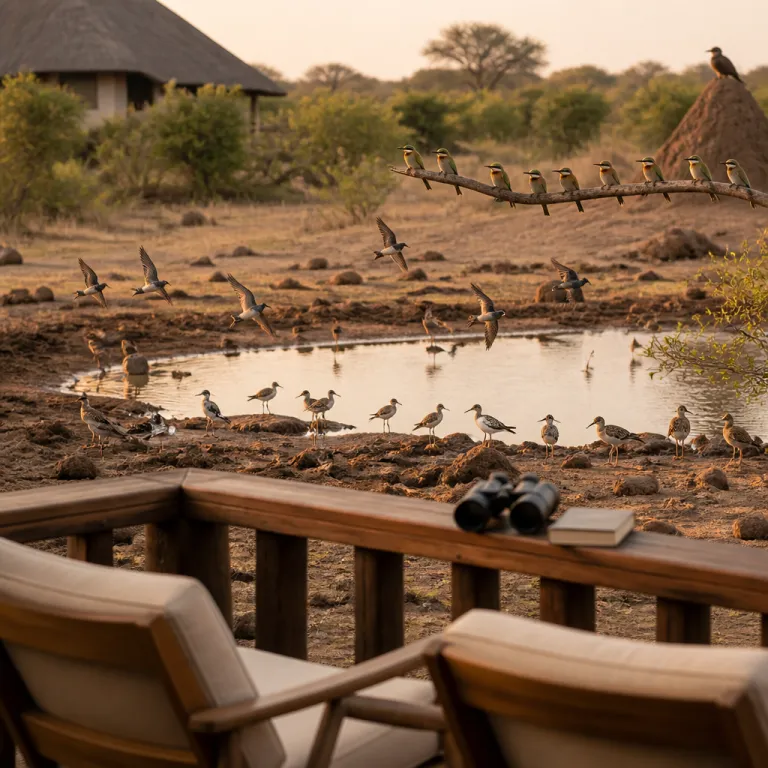
Zimbabwe green season birding safaris for couples
Why Zimbabwe's green season is a gift for serious birding couples
The Zimbabwe birding green season from November to March changes everything. During this lush period in southern Africa, the first storms roll across the region and turn parched plains into a saturated canvas of green that flatters every bird and every lens. For couples used to the stark drama of the dry months, this is when a Zimbabwe safari becomes quieter, more intimate and far richer in bird species than many expect.
In Hwange National Park alone, around 400 bird species have been recorded across its mixed habitats, according to regional birding checklists from organisations such as BirdLife Zimbabwe and the African Bird Club.1 During the green months, roughly half of these can be seasonal visitors that breed, feed and use the park as a temporary African home.2 This is the best time for patient wildlife viewing that is less about predator activity and more about the subtle theatre of plumage, calls and courtship flights across Zimbabwe and its neighbouring countries in southern Africa. The light is softer than in the dry season, the air is washed clean after each storm, and every birding walk or green season safari drive feels like a private performance staged just for two.
Guides in Hwange know that this is when serious birding guests finally get the full cast list of African migrants, from European rollers to the carmine bee-eaters that ignite riverbanks with colour. One verified field note from local researchers captures it clearly: “November to March during the green season” is the answer when they are asked what is the best time for birdwatching in Hwange. Bring good binoculars, wear neutral coloured clothing, and spend time at pumped waterholes where both resident bird species and migratory birds gather in dense, photogenic flocks.
Best time of day & photography checklist
When to be out: Aim for early morning and the last two hours of daylight, when birds are most active, temperatures are comfortable and the low sun gives you warm, detailed images.
What to pack: A camera with a telephoto lens (300 mm or more for small species), extra memory cards, a lightweight rain jacket, a waterproof bag for gear and a simple lens cloth to clear spray or drizzle between sightings.
Key migrant timing in Hwange (indicative)
| Species group | Main arrival | Peak viewing |
|---|---|---|
| European rollers | Late October–November | December–February |
| Carmine bee-eaters | November | December–January |
| Waders & shorebirds | October–November | November–February |
| Swallows & swifts | September–October | November–March |
Hwange to Mana Pools: a green season safari route built around birds
Start your Zimbabwe birding green season journey at Victoria Falls, where the spray nourishes pockets of evergreen forest that shelter trumpeter hornbills, Schalow's turacos and a chorus of smaller bird species. From here, a short transfer brings you to the private concessions on the edge of Hwange National Park, where camps such as Camp Hwange and selected Wilderness Safaris properties design game drives and walks that prioritise birding as much as big game. This is where couples can trade the rush of ticking off the Big Five for the slower pleasure of watching migratory birds hawk insects in the green air above a pan.
During this season in Zimbabwe, Hwange's open vleis and teak forests host both resident birds and seasonal visitors that have navigated from Europe and other regions of Africa using natural navigation mechanisms. Guides will time your outings for the most productive hours, usually around sunrise and again in the late afternoon, when the light is low, the heat is gentle and the saturated colours turn every bird into a photographic subject. Between drives, you can sit on your tented veranda and view bee-eaters, rollers and raptors commuting between woodland and water, a form of wildlife viewing that feels deeply private.
From Hwange, many couples extend their Zimbabwe safari to Mana Pools on the Zambezi floodplain, where riverine forest and oxbow lagoons create a different birding stage. Here, specialist walking guides at high-end camps lead you along the river to look for Pel's fishing owl, African skimmers and colonies of carmine bee-eaters nesting in the banks, all framed by the green season glow. For a detailed look at elevated walking safaris and riverfront lodges that work beautifully in this period, read our guide to Mana Pools luxury safari stays and walking adventures, then speak with your consultant about how to align dates with the peak arrival of migratory birds.
Victoria Falls, Botswana Zimbabwe riverfront and Hwange: where luxury lodges court birders
For couples planning a Zimbabwe birding green season itinerary, the choice of lodge matters as much as the park. Around Victoria Falls, a cluster of premium properties sit either in private wildlife concessions or along the Zambezi, offering boat cruises, guided walks and birding-focused game drives that reveal a different side of the falls beyond the famous spray. Here, the combination of river, forest and gorge creates a compressed slice of Africa where both resident bird species and migrants from as far as Tanzania intersect.
Many travellers pair a Hwange National Park stay with a river-based extension that links Botswana, Zimbabwe and sometimes South Africa, using the Zambezi and Chobe corridors as a soft border between countries. Luxury river cruises and lodges along this stretch, including those featured in our piece on pairing a Zambezi Queen style river cruise with Zimbabwe's finest lodges, are particularly rewarding in the green season when sandbanks host terns, skimmers and waders. From the deck, you can view bee-eaters exploding from their burrows, watch raptors ride the thermals and listen as the riverine forest fills with calls at dusk.
Back in Hwange, camps inside or adjoining the Hwange National Park concessions often offer seasonal offers for green season stays, making high-end birding safaris more accessible. These lodges typically include twice-daily game drives, optional walking safaris and, crucially, guides who are as excited by a Verreaux's eagle-owl as by a lion sighting, even when predator activity is high. Ask specifically about their experience with migratory birds, their record of unusual bird species and whether they can tailor a green season safari schedule around your photographic goals rather than a rigid big game checklist. For photographers, request a vehicle seat that allows you to rest a beanbag on the rail and confirm whether the camp can provide charging points for batteries between drives.
Eastern Highlands, Matobo and beyond: extending the green months into a full birding circuit
Once Hwange and Mana Pools have anchored your Zimbabwe birding green season, consider extending east into the misty uplands of the Eastern Highlands. This region, a world away from the lowveld heat, offers montane forests, waterfalls and cool air that attract a different suite of bird species, including endemics and near-endemics that serious birders quietly prize. Luxury country lodges here are fewer than in the main safari belt, but the best of them combine firelit lounges, strong guiding and access to forest trails where every bend can produce a new call.
Our dedicated guide to elegant stays in the Eastern Highlands of Zimbabwe outlines which properties work best for couples who want both romance and serious birding. During the green season, mists wrap the hills in the early morning, then lift to reveal views across southern Africa that feel almost alpine in their clarity. This is a different rhythm from the Zimbabwe safari experience in Hwange or Mana Pools, with more time on foot, fewer game drives and a focus on forest birding rather than open savanna wildlife viewing.
To the south, Matobo National Park near Bulawayo adds another layer to a green season safari circuit, with granite kopjes, rock art and raptors that use the cliffs as nesting sites. Here, Verreaux's eagle-owls and black eagles share the sky with swifts and swallows, and the green season brings a flush of insects that fuels aerial feeding frenzies. When you stitch Hwange, Mana Pools, Victoria Falls, the Eastern Highlands and Matobo into one itinerary, you move through multiple habitats, multiple African seasons and a spectrum of bird species that few other parts of Africa can match in such a compact, luxurious circuit. A simple five to seven night route for couples might start with two nights at Victoria Falls, continue with three nights in Hwange and then add two or more nights split between Mana Pools and either the Eastern Highlands or Matobo, depending on your preferred mix of walking, photography and classic game viewing.
FAQ
What is the best time for birdwatching in Hwange during the green months ?
The best time for birdwatching in Hwange during the green season runs from November to March, when migratory birds arrive to breed and feed. November usually brings the first major wave of migrants, while December to February offers peak activity and dense bird species diversity. By March, many migratory birds begin to depart, but resident species remain active in the still lush park.
How many bird species can I expect to see in Hwange National Park ?
Hwange National Park has recorded around 400 bird species across its mixed habitats of woodland, grassland and pans, according to regional birding checklists.1 During the green season, a significant proportion of these can be migratory birds that use the park as a seasonal base for breeding and feeding.2 With a skilled guide and enough time, serious birders can build an impressive trip list while still enjoying classic wildlife viewing.
Is the green season good for wildlife viewing or only for birding ?
The green season in Zimbabwe is excellent for birding, but it also offers rewarding general wildlife viewing, especially for couples who value atmosphere over sheer numbers. Predator activity can be harder to track in tall grass than in the dry season, yet elephants, buffalo and many antelope remain visible around waterholes and open clearings. The softer light, fewer vehicles and seasonal offers at luxury lodges often make this time more appealing than peak dry season crowds.
Do I need special equipment for a Zimbabwe birding green season safari ?
For a Zimbabwe birding green season safari, bring quality binoculars, a camera with a telephoto lens and neutral coloured clothing that blends with the bush. A lightweight rain jacket is useful because afternoon storms are common, and a waterproof bag will protect your gear during game drives. Many premium lodges also keep spare binoculars and field guides on hand, but serious birders usually prefer to travel with their own familiar equipment. If you plan to photograph small, fast-moving species, consider a lens of at least 300 mm, extra memory cards and a simple lens cloth to clear spray or drizzle between sightings.
Can I combine Zimbabwe with Botswana or South Africa for a broader birding trip ?
It is straightforward to combine Zimbabwe with Botswana or South Africa for a wider southern Africa birding itinerary, especially around the Victoria Falls and Chobe region. Many travellers design a circuit that links Hwange National Park, the Botswana Zimbabwe riverfront and private reserves in South Africa, timing it for the same green season window. This approach lets you compare different habitats, different bird species communities and different guiding styles within a single, coherent journey.
1 Species totals and status are based on regional checklists compiled by BirdLife Zimbabwe and the African Bird Club, which collate records from Hwange National Park and surrounding areas.
2 Proportions of migratory versus resident birds vary by year and rainfall, but field observations from local guides and researchers consistently indicate that a large share of Hwange’s recorded species are seasonal visitors during the rains.
Suggested image alt text
- Alt text: "Carmine bee-eaters nesting in sandy riverbank during Zimbabwe green season"
- Alt text: "Couple on birding safari vehicle in Hwange National Park at sunrise"
- Alt text: "Pel's fishing owl perched above Zambezi River channel in Mana Pools"
- Alt text: "Mist-covered forest slopes in Zimbabwe Eastern Highlands at dawn"