Gonarezhou Malilangwe luxury safari for travelers beyond the classic circuit
Hwange and Mana Pools National Parks tend to dominate Zimbabwe safari conversations. Yet a carefully planned gonarezhou malilangwe luxury safari opens up a different side of the country, where sandstone cliffs, river confluences and near empty tracks redefine what wilderness feels like. For independent travelers who value privacy and serious wildlife over poolside chatter, these south eastern concessions belong near the top of any shortlist.
Gonarezhou National Park is Zimbabwe's second largest park and carries the evocative name "Place of Elephants" for good reason. Recent conservation assessments suggest an elephant population in the low tens of thousands in this national wilderness area, and the density is obvious on every game drive and walking safari along the Runde and Save rivers. The park covers just over 5,000 km², yet you may share a sighting with only your guide and the wildlife, not a convoy of vehicles.
Next door, the private Malilangwe Wildlife Reserve in south eastern Zimbabwe protects roughly 130,000 to 135,000 acres of varied terrain, from mopane woodland to sandstone kopjes and productive wetlands, according to figures published by the Malilangwe Trust. This reserve is tightly managed, with a research station that produces peer reviewed conservation data and underpins some of the most reliable rhino viewing in Africa. For travelers comparing safaris across South Africa, Botswana and Zimbabwe, Malilangwe wildlife experiences feel as exclusive as any private concession in the Greater Kruger while remaining firmly rooted in Zimbabwean community partnerships.
When you combine Gonarezhou National Park with the private Malilangwe Zimbabwe concession, you get a safari that feels both raw and meticulously curated. The headline lodges, from Chilo Gorge Safari Lodge on the park boundary to Singita Pamushana Lodge inside the reserve, deliver high level comfort without diluting the sense of remoteness. This is a corner of Africa where luxury is measured less by marble and more by how often your game viewing is interrupted by another vehicle, which in Gonarezhou and Malilangwe is almost never.
What sets Gonarezhou apart from Hwange and other Zimbabwe parks
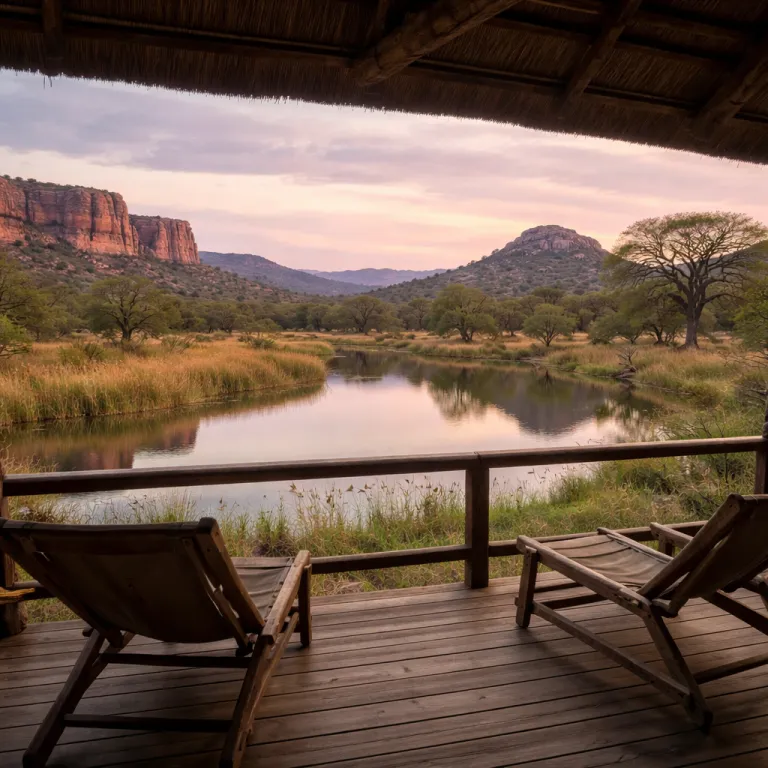
Gonarezhou sits in the south eastern corner of Zimbabwe, far from the busier Hwange and Victoria Falls circuit, and that geography shapes the experience. The park's signature Chilojo Cliffs rise in layered sandstone above the Runde River, creating one of southern Africa's most dramatic backdrops for an afternoon game drive or a quiet sundowner. Where Hwange offers wide Kalahari sandveld and pumped pans, Gonarezhou National Park landscapes feel more sculpted, with riverine forests, baobab studded ridges and the powerful Save Runde confluence.
Traffic levels are the other major difference between these parks, and they matter for serious game viewing. Hwange's accessible areas near Main Camp and Sinamatella can see multiple vehicles at a single lion sighting, especially in peak dry season when waterholes concentrate wildlife. In contrast, many travelers report driving for an hour in Gonarezhou National Park without seeing another safari vehicle, which turns each encounter with elephants, wild dogs or cheetahs into something that feels intensely personal.
For a solo explorer, that sense of space is part of the luxury, even before you reach your lodge or tented camp. Guided walking safaris here lean into Zimbabwe's long tradition of on foot guiding, with professionals who read spoor, wind and elephant body language long before you sense anything. Safety protocols are strict and the official guidance remains clear: "Is it safe to visit?" and the answer from park authorities is equally clear, "Yes, with guided tours and safety protocols."
There is also a philosophical difference in how revenue and conservation intersect in this wider Zimbabwe safari landscape. Hwange's success story around funding anti poaching and community projects through high value safaris is well documented, as explored in depth in our feature on how safari revenue reshaped Hwange's elephant protection. Gonarezhou and the adjacent Malilangwe Wildlife Reserve extend that model into a more remote area, where every bed night at a safari lodge or mobile camp directly supports research, ranger salaries and community based conservation initiatives.
Inside Malilangwe Wildlife Reserve and Singita Pamushana Lodge
Malilangwe Wildlife Reserve is not a national park but a private conservation area, and that status allows for a different style of safari. Vehicle numbers are capped, off road game drives are carefully controlled and night drives are possible, which together create a sense of intimacy that is hard to replicate in busier public parks. For travelers used to the Sabi Sand in South Africa, Malilangwe wildlife experiences feel familiar in quality but distinctly Zimbabwean in character.
At the heart of the reserve sits Singita Pamushana, often simply called Pamushana Lodge, one of only two Singita properties in Zimbabwe and widely regarded as one of its most architecturally striking safari lodges. The lodge clings to a rocky outcrop above a dam, with suites that frame the bush and water rather than isolate you from it, and interiors that reference local stonework and textiles instead of generic safari chic. Every suite has a private plunge pool, but the real luxury lies in how your guide positions you for a quiet rhino sighting at first light or a lone bull elephant crossing the dam at dusk.
Game drives in Malilangwe focus on both headline species and the subtler rhythms of the bush, with guides trained to balance big game viewing with bird watching and smaller details. The reserve holds strong populations of both black and white rhino, along with lions, leopards, wild dogs and more than 400 recorded bird species, which means every safari can be tailored to your interests. Walking safaris and carefully managed fishing on the dam add texture to the experience, especially for solo travelers who like varied activities.
Rates at Singita Pamushana Lodge sit at the top end of the Zimbabwe market, comparable to high level safari lodges in Botswana or South Africa, but the value proposition is strong when you factor in conservation and community impact. The Malilangwe Trust channels revenue into local schools, clinics and employment, turning each guest night into a tangible contribution to the wider area. If you are planning a honeymoon or a milestone trip, pairing Pamushana with other high end properties, as outlined in our guide to luxury honeymoons and multi stop itineraries in Zimbabwe, creates a circuit that rivals more famous routes through Botswana or East Africa.
Where to stay in and around Gonarezhou for a luxury camp experience
Choosing the right lodge or camp is central to any gonarezhou malilangwe luxury safari, especially for solo travelers who value atmosphere as much as wildlife. On the northern boundary of Gonarezhou National Park, Chilo Gorge Safari Lodge offers one of the most compelling bases, perched high above the Save River with views that stretch across the park. Suites here are spacious and comfortable rather than ostentatious, with the real drama unfolding on the river below as elephants, hippos and crocodiles move through the wilderness.
Inside the park itself, more rustic but still comfortable safari lodges and seasonal camps cater to travelers who want to feel fully immersed in the national wilderness. Operators such as Gonarezhou Bush Camps run mobile style camps that shift between remote sites, giving you front row access to game viewing along the Runde and Mwenezi rivers. Nights here are about canvas walls, campfire dinners and the sound of lions calling across the dark, not spa menus or elaborate wine lists.
For many travelers, the sweet spot lies in combining a few nights at a fully serviced lodge with time in a simpler camp, which creates a layered understanding of the park. You might start planning with three nights at Chilo Gorge for comfort and guided game drives, then move into a mobile camp for walking safaris and deeper immersion in the wilderness area. This mix works especially well if you are pairing Gonarezhou with Malilangwe wildlife experiences, giving you both a private reserve and a national park in a single itinerary.
Beyond the bush, it is worth considering where you overnight in Harare or other urban hubs at the start or end of your travel. Our detailed review of an elegant stay at Rainbow Towers in central Harare outlines how a well chosen city hotel can smooth the logistics of charter flights and road transfers. Treat these urban nights as part of the overall luxury safari arc, not just functional stopovers between the national park, the private reserve and other highlights such as Victoria Falls or Mana Pools National Park.
Access, seasons and how to start planning your Zimbabwe itinerary
Reaching Gonarezhou and Malilangwe requires more thought than flying into Victoria Falls, but the payoff is a quieter, more exclusive safari. Most travelers route through Harare or Bulawayo, then connect via scheduled or charter flights to Buffalo Range near Chiredzi, from where lodges arrange road transfers into the park or reserve. Typical flight times from Harare to Buffalo Range are around one hour, with onward drives of 45 to 90 minutes depending on your camp, while overland travel from South Africa is possible via the Beitbridge border but suits experienced self drivers more than first time visitors.
The dry season from May to October is generally considered the best time for game viewing in both Gonarezhou National Park and Malilangwe Wildlife Reserve. During these months, vegetation thins, water sources shrink and wildlife concentrates along rivers and pans, making sightings more predictable on game drives and walks. The green season from November to April brings lush landscapes, dramatic skies and excellent bird watching, though some tracks can become challenging after heavy rain.
Pricing for a gonarezhou malilangwe luxury safari varies widely depending on whether you focus on high end lodges or a mix that includes simpler camps. At the top end, a stay at Singita Pamushana Lodge will align with premium rates in leading private reserves across Africa, while properties around Gonarezhou often offer more accessible tariffs without compromising on guiding quality. As a planning benchmark, many travelers allow seven to nine nights for this region, splitting time between Malilangwe, Gonarezhou and a night in Harare or at Victoria Falls, and operators can then build custom itineraries that extend to Mana Pools National Park or even a city break in Cape Town.
When you start planning, be clear about your priorities: solitude, specific wildlife such as rhino or wild dogs, walking safaris, or photographic opportunities around the Chilojo Cliffs and other rock art and geological sites. Work with specialists who know Zimbabwe's parks intimately and can advise on how many nights to allocate to each area, including pools national destinations like Mana Pools and the classic Victoria Falls region. For repeat visitors who have already ticked off Hwange and the standard circuit, these south eastern concessions offer a compelling reason to return and see a different face of Zimbabwe's wilderness.
Why Gonarezhou and Malilangwe belong on every repeat visitor's shortlist
For travelers who have already experienced Hwange, Mana Pools and the spray of Victoria Falls, the question becomes where in Zimbabwe to go next. A gonarezhou malilangwe luxury safari answers that with a combination of raw wilderness, serious conservation credentials and lodges that understand what seasoned safari goers value. This is not about ticking off the Big Five in record time but about settling into an area where the rhythms of wildlife and community life still feel in balance.
Gonarezhou's appeal lies in its sense of scale and its relative lack of development compared with other national parks in the region. You can spend a morning along the Runde River watching elephants cross below the Chilojo Cliffs, then drive for an hour without seeing another vehicle, which is increasingly rare in Africa's better known reserves. For many solo explorers, that solitude, backed by highly trained Zimbabwean guides and strong safety protocols, is the ultimate definition of luxury.
Malilangwe Wildlife Reserve complements this with a more controlled, research driven model of conservation that still feels wild on the ground. The presence of a dedicated research station, community projects and a long term funding model means your stay at Singita Pamushana or other safari lodges is part of a broader story, not just a private indulgence. When you combine time in the national park with days in the private reserve, you experience two different but aligned visions of what modern conservation focused safaris in south eastern Zimbabwe can be.
In a region where new investment is flowing into tourism infrastructure and conservation, choosing where to spend your travel budget is a powerful decision. By placing Gonarezhou and Malilangwe on your Zimbabwe shortlist, you support parks and reserves that prioritise wildlife, communities and low impact tourism while offering some of the most rewarding game viewing on the continent. For those willing to travel a little further from the usual routes between Victoria Falls, Hwange and Cape Town, the payoff is a safari that feels both deeply luxurious and genuinely wild.
FAQ
What wildlife can I expect to see in Gonarezhou and Malilangwe ?
Both Gonarezhou National Park and Malilangwe Wildlife Reserve offer excellent chances to see elephants, lions, leopards and buffalo, along with strong populations of wild dogs and cheetahs. Bird watching is outstanding, with more than 400 recorded species across the wider area, especially along rivers and wetlands. Rhino sightings are more likely in Malilangwe, where intensive protection and research support both black and white rhino populations.
Are there luxury accommodations in these areas of Zimbabwe ?
Travelers can choose from high end lodges and more intimate camps around both the park and the reserve. Singita Pamushana Lodge in Malilangwe is one of Africa's leading luxury safari lodges, while Chilo Gorge Safari Lodge and selected bush camps around Gonarezhou offer comfortable, well run bases for game drives and walks. All of these properties focus on strong guiding, conservation support and a sense of place rather than generic luxury.
When is the best time to visit for a gonarezhou malilangwe luxury safari ?
The dry season from May to October is generally best for concentrated game viewing, as wildlife gathers around rivers and remaining water sources. Green season months from November to April bring lush scenery, dramatic skies and excellent birding, though road conditions can be more challenging after heavy rain. Your ideal timing depends on whether you prioritise dense wildlife sightings, photography conditions or quieter travel periods.
How safe is it to visit these remote parks as a solo traveler ?
Visiting Gonarezhou and Malilangwe with reputable operators is considered safe, as all activities follow strict safety protocols and are led by experienced guides. Lodges and camps provide detailed briefings on behaviour around wildlife, and walking safaris are conducted only by qualified professionals. As with any remote wilderness travel, comprehensive insurance and adherence to guide instructions are essential.
How do Gonarezhou and Malilangwe compare with more famous parks like Hwange or Mana Pools ?
Hwange and Mana Pools offer superb wildlife and established infrastructure, but they can feel busier in peak season, especially around popular pans and riverfronts. Gonarezhou and Malilangwe provide a more secluded experience, with fewer vehicles, dramatic sandstone scenery and a strong emphasis on research driven conservation. Many repeat visitors now combine these south eastern concessions with time in Hwange, Mana Pools or Victoria Falls for a broader view of Zimbabwe's safari offerings.