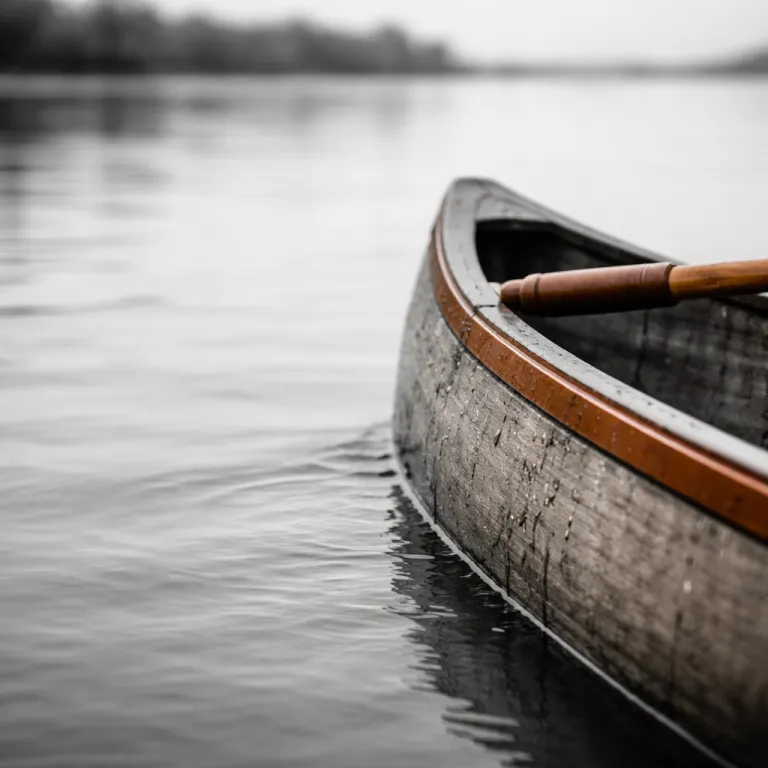
Mana Pools canoe safari for solo travellers who want the front row
Mana Pools canoe safari for solo travellers who want the front row
Mana Pools in northern Zimbabwe is where the Zambezi River slows, widens, and quietly takes charge. On a well planned Mana Pools canoe safari you trade game drives for paddle strokes, drifting past elephants at eye level while the national park’s floodplains glow in late afternoon light. For solo travellers who value silence, expert guiding, and serious wildlife viewing, this is the park Zimbabwe experience that feels closest to old Africa.
The UNESCO listed Mana Pools National Park sits opposite the Lower Zambezi in Zambia, with the broad Zambezi channel feeding a necklace of oxbow pools that hold water through the long dry season. Those pools become magnets for wildlife in the driest days, turning every bend of the river into a potential theatre of game viewing, from crocodiles basking on sandbars to lion tracks stitched into the mud. A Mana Pools canoe trip keeps you on that water line, where each quiet paddle stroke will bring a new view of hippos, elephants, and the birdlife that defines this section of park Zimbabwe.
Unlike vehicle based safaris, canoe expeditions here are regulated tightly by the Zimbabwe Parks and Wildlife Management Authority (ZPWMA), and only a handful of operators hold the right to run multi day trips under river usage permits. That scarcity protects the wilderness character of Mana Pools National Park and keeps the Zambezi floodplain blissfully uncrowded, even in the best time of the dry season. For a solo explorer, that means you can join a small group, share a campfire in simple riverside camps, and still feel as if the Zambezi River corridor belongs to your canoe for a few unforgettable days.
The classic three to five day canoe transect and where you sleep
Most travellers tackle the Mana Pools canoe safari as a three to five day transect, paddling roughly 20 to 25 km per day between temporary fly camps on the Zambezi River. Sample itineraries from Natureways Safaris put the average daily paddling distance at about 21,5 km, which feels manageable if you are moderately fit and comfortable on the water. Over those days you move steadily along the Mana Pools river frontage of the national park, with your camp crew leapfrogging ahead to set up tents, prepare meals, and secure the site before you arrive.
Two long standing operators, Mana Pools Safaris and Natureways Safaris, run these canoe safaris with licensed guides, full camping gear, and safety equipment included. A typical day starts at first light with coffee on the river bank, then a morning paddle while the air is cool and wildlife viewing is at its peak along the open floodplain. After a long midday rest in camp you head out again in late afternoon, often combining gentle canoe time with short walking safaris on the islands and sandbanks where game viewing is safe and conditions allow.
Camps on a Mana Pools canoe safari are deliberately simple, because the focus is the river, the wildlife, and the night sky. Expect dome tents, stretcher beds, bucket showers, and a proper sit down dinner under lantern light, not a polished lodge experience. Typical rates for fully supported Zambezi River canoeing, including park fees and transfers, often sit in the region of US$500 to US$900 per person per night depending on season and operator. If you want to balance this with more conventional luxury, pair your canoe days with a stay at Ruckomechi or Chikwenya, then look at family friendly lodge ideas in our guide to where to stay in Zimbabwe with kids for future trips when you return with a wider group.
What you actually see at water level on the Zambezi
From a canoe, the Zambezi River feels like a living corridor, and the wildlife behaves differently when you are low on the water. You notice the way elephants test the current before crossing, the way hippos stack themselves in deeper pools, and the sudden, electric strike of a tigerfish hitting the surface near your paddle. On a well timed Mana Pools canoe safari in the dry season, every quiet bay or backwater can hold a surprise, from a fish eagle dropping to the water to a crocodile sliding off a sandbank with barely a ripple.
Guides here are trained to read both wildlife and water levels, choosing channels where the current, wind, and game viewing prospects align. You might spend one day hugging the Zimbabwe bank of the national park, watching buffalo and antelope file down to drink on the open floodplain, then the next day crossing towards the Lower Zambezi side for a different view of the same herds. Walking safari interludes break the rhythm, with short, controlled walks that focus on tracks, birdlife, and the subtle behaviour of animals that you first spotted from the canoe.
For many travellers, the most memorable moments are small rather than dramatic. A herd of elephants wading chest deep, trunks raised like periscopes, while your canoe safari guide quietly back paddles to hold position at a respectful distance. One veteran guide once summed it up around the campfire: “From the canoe, you’re not just watching Mana Pools, you’re part of the river’s routine.” The glow of sunset on the Zambezi surface as flocks of bee eaters skim low over the water lingers long after you leave. If you are pairing this with a romantic itinerary that includes Victoria Falls or Hwange, read our take on luxury honeymoons in Zimbabwe to see how a few canoe days can elevate a classic circuit.
Fitness, safety, and whether a Mana Pools canoe safari suits you
Guiding standards in Mana Pools National Park are among the most demanding in Africa, and that shows in how carefully canoe safaris are run. Operators combine traditional river skills with modern safety practices, using stable Canadian style canoes, buoyancy aids, and full support crews on every trip. Information from Natureways Safaris is clear on one point that reassures many first timers: “Do I need prior canoeing experience? No, safaris cater to all skill levels.”
That said, a Mana Pools canoe safari is still a physical undertaking, especially for solo travellers who may not have paddled long distances before. Expect to be active for several hours each day, climbing in and out of the canoe on sandy or muddy banks, and sleeping in simple camps rather than in air conditioned suites. Minimum ages are typically around 14 years, and while there is no strict upper limit, anyone with joint issues, back problems, or limited mobility should consider whether a walking safari or vehicle based safaris might be a better fit.
Safety briefings on your first day cover how to behave around hippos, crocodiles, and big game on the banks, as well as what will happen if water levels or weather change unexpectedly. Guides will explain why you sometimes hug the shore and sometimes cross the river, and how they choose safe sites for camps each night. Access is usually via light aircraft into Mana Pools airstrip or nearby Rukomechi airstrip, followed by a road transfer to the river launch point arranged by your operator. If you prefer to ease into Zimbabwe with a city stay before heading to the park, consider a night or two at an elegant Harare property such as Rainbow Towers, which we review in detail in our piece on an elegant stay at Rainbow Towers in the heart of Harare.
Seasons, pairings with lodges, and planning your wider Zimbabwe trip
Seasonality matters more on a Mana Pools canoe safari than almost anywhere else in Zimbabwe, because water levels dictate both safety and wildlife concentration. Canoeing typically runs from around April into the later dry season, with June to September offering the best time for a balance of comfortable temperatures and intense wildlife viewing along the Zambezi floodplain. Early in the season the Zambezi River is higher and faster, which feels more adventurous, while later the channels shrink, sandbanks grow, and game viewing tightens around the remaining water.
The rainy season usually closes canoe operations, as the river rises, channels shift, and visibility drops, so plan any Mana Pools canoe trip for the drier months. A good time for many travellers is to start with a few lodge nights at Ruckomechi or Chikwenya, enjoying game drives, walking safaris, and a more conventional camp experience before heading out on a three to five day canoe transect. After Mana Pools, you can loop south to Hwange for big game safaris or fly to Victoria Falls for a final few days of spray, viewpoints, and river based activities that feel very different from the quiet of the national park.
For solo explorers using a premium hotel booking platform, the key is to think of Mana Pools National Park as one chapter in a wider park Zimbabwe story. Combine the raw, riverside camps of your Zambezi canoe journey with a mix of classic safari camps, Harare or Bulawayo city hotels, and perhaps a night in a Victoria Falls property that suits your style. That way your Mana Pools canoe safari becomes the wild, water based centrepiece of a trip that still delivers comfort, strong service, and the kind of varied itinerary that keeps you engaged from first day to last.
FAQ about planning a Mana Pools canoe safari
What wildlife can be seen during a Mana Pools canoe safari ?
According to Natureways Safaris, “What wildlife can be seen during the safari? Elephants, hippos, crocodiles, and various bird species.” In practice you may also see antelope, buffalo, and predators along the banks, especially late in the dry season when animals concentrate near the remaining water. Sightings are never guaranteed, but the combination of river frontage and protected national park habitat makes wildlife viewing consistently strong.
Do I need prior canoeing experience for a Mana Pools trip ?
Natureways Safaris states clearly: “Do I need prior canoeing experience? No, safaris cater to all skill levels.” Guides give a full safety and paddling briefing on the first day, then set a pace that suits the group, with plenty of breaks. Reasonable fitness and confidence around water help, but technical canoe skills are not required.
How long does a typical Mana Pools canoe safari last ?
Most itineraries run between three and five days on the Zambezi River, with Natureways Safaris highlighting a common format of three nights under canvas. That usually means one arrival day with a briefing, two or three full days of paddling and camping, then a final morning on the river before you transfer back to a lodge or airstrip. Some operators offer longer safaris for travellers who want a deeper immersion in the national park.
When is the best time of year to go canoeing in Mana Pools ?
Canoe operations generally run from around April into the later dry season, when the Zambezi River is lower and clearer and wildlife concentrates along the banks. Peak months for a Mana Pools canoe safari are usually June to September, when days are warm, nights are cool, and game viewing is at its most reliable. The rainy season is not a good time for canoe trips, because high water levels and reduced visibility make conditions less predictable.
Are there age restrictions or health requirements for canoe safaris ?
Natureways Safaris notes: “Are there age restrictions for participants? Minimum age is typically 14 years.” Operators may ask older guests or those with medical conditions to provide a doctor’s note, because multi day paddling and camping can be demanding. If you have concerns about fitness, mobility, or specific health issues, speak directly with your chosen safari company before you book.