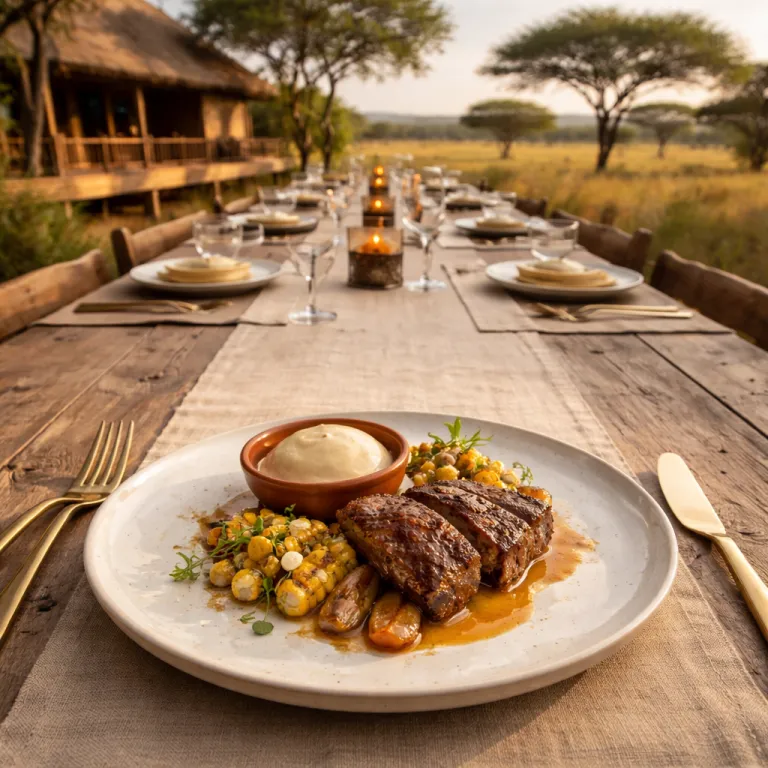
Why travel Zimbabwe for safari dining that actually matters
Visit Zimbabwe for business or leisure, and you quickly see how food shapes the rhythm of a high end safari stay. In a country where guiding standards rival any in Africa or Europe, a handful of properties now treat gastronomy as seriously as game drives, turning each full day into a sequence of considered flavours rather than generic buffet lines. For executives extending work trips, this shift means your limited time in Zimbabwe can feel like a short but complete culinary journey, not just a checklist of sightings.
The Zimbabwe Tourism Authority positions the country as a destination where wildlife, culture and hospitality intersect, and that is exactly where these kitchens excel. When you plan a safari focused stay, you want menus that reflect the Zambezi, the Lowveld and the highveld farms, not something that could have been flown in from distant islands or Europe despite the bush setting. The best lodges now test every element of the experience, from how samp is slow cooked to how bream is traced back to specific stretches of river, and they treat each plate as seriously as a walking guide treats lion spoor.
Health conscious travellers sometimes ask whether a safari kitchen can manage special requests while still feeling rooted in place, especially after reading about a hantavirus outbreak or other global health scares. In practice, the leading Zimbabwe properties have had years to refine food safety protocols, from water filtration to cold chain tracing, and they handle dietary needs with the same calm precision as they handle a last minute helicopter transfer. When you plan to work full time during the day and then shift into leisure mode at night, that level of control lets you relax and enjoy each course without worrying about what might have slipped through the net.
Singita Pamushana: chef led Lowveld cuisine worth the flight
Singita Pamushana in the Malilangwe Reserve is the clearest answer to anyone asking whether Zimbabwe can compete with top tier safari dining in Europe or the Indian Ocean islands. The lodge runs a chef led programme tied directly to garden, river and bush sourcing, so your plate of grilled bream might feature herbs from the kitchen beds, wild leaves foraged that morning and citrus from nearby groves. This is where a full day in the bush ends with a tasting menu that feels as carefully traced as the rhino tracks you followed at dawn.
The team treats local ingredients as non negotiable features of the experience, not occasional curiosities. Ask for kapenta or matemba prepared as a crisp starter with chilli and lemon, then follow with slow braised beef over samp enriched with bone marrow and garden vegetables. Executive chef Johannes “Jono” Moyo has spoken in lodge briefings about using quieter months like March and April to trial dishes such as a Zambezi bream ceviche with sorghum crisps, inviting returning guests to score each version so the menu evolves with real feedback rather than guesswork.
For business leisure travellers, the rhythm here suits those who work hard during daylight hours. You can spend time on calls from your suite in the late morning, then join an unhurried lunch that still finishes in time for an afternoon drive, before a multi course dinner that never feels like a drawn out obligation. If you are comparing properties for a tight itinerary, read our first look at Hwange’s new culinary focused camp in the article on the Muddy Teak sole use camp on the Supermodel Pride waterhole, then measure every menu against what Pamushana already delivers.
Matetsi River Lodge: Zambezi fish, serious wine and real al fresco
Matetsi River Lodge sits upstream from Victoria Falls on a private stretch of the Zambezi, and it has quietly built one of the most credible kitchens in Zimbabwe. The lodge’s culinary équipe treats the river as both pantry and stage, so bream from the Zambezi appears grilled over hardwood coals, while kapenta and matemba are reimagined as refined canapés rather than rustic side dishes. This is not safari food as an afterthought; it is a full time gastronomic project that respects the river’s rhythms.
The wine cellar at Matetsi is another reason executives choose to extend their Zimbabwe stays here. Shelves lean heavily on South African labels, but there is thoughtful representation of Zimbabwean producers and a scattering of European bottles that stand up to scrutiny, not just name recognition. Ask the sommelier to trace a pairing from a textured Chenin Blanc with bream to a structured Cabernet with slow cooked game, and you will see how carefully they test each match against the menu’s changing features.
Al fresco dining can feel like a gimmick in some safari settings, but Matetsi’s riverside dinners avoid the usual clichés. Tables are spaced with enough distance that you can talk business without feeling overheard, lanterns are positioned to avoid attracting swarms of insects, and the service team moves with the quiet efficiency of a well run cruise ship, despite the remote setting. If you want to understand how a serious lodge balances spectacle and substance, pair a stay here with time at a Victoria Falls property and use our guide to Batoka Gorge cliffside suites at peak Zambezi flood as your reference point.
Linkwasha and Old Drift: Hwange and Zambezi kitchens with character
Linkwasha in Hwange National Park is where Zimbabwe’s walking safari tradition meets a kitchen that understands how food shapes energy levels. Mornings start with short, sharp bites before the first drive, then a full brunch built around samp, grilled vegetables and often bream or game sausages anchors the late morning. By the time afternoon tea appears with delicate pastries and savoury snacks, you realise the chefs have been tracing your appetite curve as closely as the guides trace spoor.
Local ingredients are not treated as novelties here. Mopane worms might appear as a crunchy topping on a salad or folded into a rich tomato stew, while kapenta and matemba are used to add salinity and depth to side dishes that would otherwise feel generic. The team has spent years refining these preparations, running informal taste tests with guests who are curious enough to move beyond the usual grilled chicken and chips, and the result is a menu that feels rooted in Hwange rather than imported from a distant resort.
Old Drift Lodge, just upstream from Victoria Falls, offers a different rhythm that suits business travellers who need reliable connectivity and flexible meal times. Breakfast can be stretched for those on early calls, lunch can be shortened to accommodate midday meetings, and dinners can be as drawn out or as efficient as your schedule demands. When you plan to work almost full time during your stay, that ability to compress or extend meals without sacrificing quality becomes a decisive feature in your booking choice.
Bush dinners, credible al fresco and how to read the brochure
Every safari brochure promises a magical bush dinner, but in Zimbabwe the reality ranges from deeply considered to barely safe. A credible al fresco set up starts with logistics rather than lanterns; you want to see evidence of proper refrigeration, handwashing stations and staff who talk calmly about food safety, not just romance. When a lodge can explain how they manage cold chain integrity in 30 °C heat, you know they have done more than pass a basic hygiene test.
Look closely at how properties describe their outdoor meals. If the copy leans heavily on vague phrases about starlit skies and crackling fires, with no mention of menu structure, wine service or contingency plans for wind and dust, you may be looking at a gimmick. The better lodges will outline how many courses they serve, how they handle dietary requirements in the field and how long the whole experience usually takes, which matters when you have limited time between late afternoon emails and an early morning game drive.
Health concerns sometimes surface when travellers read about global issues like a hantavirus outbreak or other zoonotic diseases and then imagine worst case scenarios in the bush. In practice, top Zimbabwe lodges operate with strict protocols that have been refined over years, and they work closely with local health authorities to trace any potential issues quickly. When you combine that with common sense habits such as using bottled water and staying updated on local news, the risk profile for a well run safari property looks far more controlled than many urban restaurants.
Rhythm of a business leisure stay and practical booking intelligence
For executives extending work trips, the key question is how Zimbabwe can deliver both productivity and pleasure without feeling like a compromise. The best lodges understand that your day will be divided into focused work blocks, short bursts of wildlife time and unhurried meals that reset your attention. They design schedules where a full breakfast can be taken after a dawn drive, a light lunch leaves space for an afternoon call window, and dinner becomes the moment when laptops finally close.
Zimbabwe’s tourism authorities and local operators have spent years refining the information they share with international visitors. Official guidance now emphasises carrying sufficient cash because of occasional card acceptance shortages, using bottled water rather than tap supplies and staying informed about local news for safety context. As one set of official travel information puts it, "Do I need a visa for Zimbabwe?" "Yes, visas are required; obtainable at entry points." "Is Zimbabwe safe for tourists?" "Exercise increased caution due to crime and civil unrest." "What currency is used in Zimbabwe?" "Zimbabwean dollar; USD widely accepted." These summaries are drawn from advisories published by foreign ministries and the Zimbabwe Tourism Authority, which are updated over time as conditions change.
When you plan your itinerary, think in terms of how each property’s features support your working style. A lodge with strong connectivity and flexible meal times suits those who remain on calls for much of the day, while a more remote camp with limited signal encourages a short, sharp burst of work in the morning followed by an uninterrupted afternoon in the bush. To balance both, many travellers pair a Victoria Falls stay, using our guide to elegant ways to pose next to Victoria Falls for unforgettable hotel stays, with time in Hwange or the Lowveld, creating a full time arc that moves from boardroom mindset to safari immersion without feeling abrupt.
Key figures for planning a high end Zimbabwe stay
- Zimbabwe recorded over two million international tourist arrivals in 2019, according to the Zimbabwe Tourism Authority, a level that underpins investment in luxury properties and increasingly ambitious lodge kitchens. This figure is drawn from the Authority’s published annual tourism statistics for that year.
- The average daytime temperature in May in destinations such as Harare and Victoria Falls is around 20–24 °C, based on long term climate summaries from the Zimbabwe Meteorological Services Department, which makes al fresco dinners comfortable and reduces heat related food safety concerns compared with hotter months.
- Eco tourism, cultural travel and adventure travel are all on the rise in Zimbabwe, creating demand for lodges that can pair credible guiding with elevated gastronomy rather than relying on generic buffet offerings. Industry reports from regional tourism bodies highlight this steady increase in higher value, experience led travel.
- Travel information for Zimbabwe is compiled and verified through government websites, foreign travel departments and local tour operators, which helps international guests plan safe, enjoyable trips that integrate both business and leisure priorities. Cross checking these sources before you book will reduce the risk of surprises such as sudden currency changes or card shortage issues.
FAQ about luxury hotel dining and travel Zimbabwe
Do I need a visa to travel Zimbabwe for a luxury safari stay ?
Most international visitors require a visa to enter Zimbabwe, and in many cases this can be obtained on arrival at major entry points such as Harare, Victoria Falls and some land borders. Business leisure travellers should still check current requirements with their foreign affairs department or the Zimbabwe Tourism Authority before departure. Having the correct documentation in place avoids short delays at immigration that can cut into valuable lodge time.
Is Zimbabwe safe for high end travellers focused on gastronomy and safari ?
Zimbabwe is generally considered safe for tourists who exercise normal urban awareness and follow local advice from lodges and guides. Travel advisories often recommend increased caution due to crime and occasional civil unrest in certain areas, which is why many visitors rely on reputable operators and pre arranged transfers. Once at a well run lodge, security protocols and remote locations usually create a very controlled environment.
What currency should I use when paying for premium hotels and meals ?
Luxury lodges typically quote rates in United States dollars, and most accept major international cards for prepayment and on site extras. In cities and at smaller establishments, carrying some cash in USD is wise because card acceptance can be inconsistent and there may be short term shortages of local currency. Always confirm payment options with your booking agent or the property before you travel.
When is the best time of year to travel Zimbabwe for serious safari dining ?
The dry season from roughly April to October is ideal for combining strong game viewing with comfortable temperatures for al fresco dinners. Cooler months such as May and June suit business travellers who want to work during the day without extreme heat, then enjoy long evening meals under the stars. Shoulder periods around March and late October can offer fewer crowds, but higher temperatures may affect how long you want to linger outdoors.
How do I choose between different luxury lodges if food is my priority ?
Focus on properties that name their chefs, describe sourcing from gardens, rivers and local farms, and outline structured wine programmes rather than generic bar lists. Singita Pamushana, Matetsi River Lodge, Linkwasha and Old Drift all treat gastronomy as a core part of the experience, with menus that highlight ingredients such as kapenta, mopane, matemba, samp and Zambezi bream. When in doubt, ask for sample menus and details on how they handle dietary requirements, then match those answers to your own expectations for a serious culinary stay.