Why junior ranger family safaris in Zimbabwe matter for modern families
Zimbabwe is where a junior ranger family safari Zimbabwe itinerary stops being a marketing line and becomes a serious classroom in the bush. On a well-run family safari here, children move from passively watching wildlife to actively reading tracks, asking about water tables, and exploring how Hwange’s elephants are protected through long-term anti-poaching and community partnerships. That shift turns a luxury family holiday into an African conservation apprenticeship that can shape choices for years.
Parents comparing Southern Africa options often look first at South Africa or Tanzania, yet Zimbabwe safari guides remain some of the best on the continent for walking and tracking. When you choose carefully among ranger programs and junior conservation programmes, you will find curricula that cover spoor identification, dung biology, and even basic conservation economics rather than just colouring sheets between game drives. These are the family safaris that respect children as capable learners and treat the bush as a living textbook, not a backdrop.
The strongest junior ranger experiences are anchored in real institutions, not just lodge marketing. Zimbabwe Parks and Wildlife Management Authority (Zimparks) and the Malilangwe Trust both run structured Junior Ranger Programmes linked to school holidays that focus on leadership, bushcraft, first aid, and conservation education, typically over three- to seven-day blocks. When premium lodges in Hwange, Mana Pools or near Victoria Falls align their own junior ranger activities with these national ranger programs, families gain access to a deeper safari experience that still feels like an adventure-filled holiday. As one Zimparks education officer explained in a recent programme summary, “We want young people to leave the park understanding that every track, every bird call, is part of a bigger conservation story they can help write.”
What a real junior ranger curriculum looks like on safari
On a credible junior ranger family safari Zimbabwe itinerary, the day starts with tracks, not tablets. Children follow a professional guide along sandy roads and dry riverbeds, learning to separate fresh lion spoor from last night’s hyena, and that simple act reframes every later game drive as a detective story in the African bush. Over a few days, even younger children begin to link wildlife movements to wind direction, water access, and human activity around the national park boundary.
Serious ranger programmes in Southern Africa share a common spine. Classroom-style briefings under a fig tree introduce food chains, migration routes, and how Hwange’s elephant protection is tied to community partnerships on its southern and eastern fringes, then field sessions test those ideas on foot. A typical junior ranger day might include an early-morning tracking walk, a mid-morning bushcraft lesson, rest time after lunch, and an afternoon conservation activity such as checking mock snare lines before an evening drive. The best family safari lodges weave in snare-line walks, mock anti-poaching patrols, and basic first aid, echoing national ranger program content so that families see how conservation works year-round rather than just on holiday.
Zimbabwe’s walking tradition makes this especially powerful for families. In Hwange and Mana Pools, operators such as Imvelo Safari Lodges and African Bush Camps use walking sessions that mirror the skills taught in formal Junior Ranger Programmes run by Zimparks and the Malilangwe Trust, where age guidelines typically focus on older children and teenagers for more advanced bushcraft. For parents who want to understand why Zimbabwe’s guiding reputation rivals the Okavango Delta or South Africa’s private reserves, a focused walking safari experience is the clearest lens, and this is explored in depth in our guide to walking safaris in Hwange.
Where to stay: lodges whose junior programmes actually teach something
Not every junior ranger family safari Zimbabwe brochure delivers what it promises, so property choice matters. Some luxury camps near Victoria Falls or along Hwange’s south boundary still treat children’s activities as babysitting with crayons, while a handful of carefully run lodges use ranger programs to plug families directly into local conservation work. For premium families, the difference between those approaches is the difference between a pleasant holiday and a life-changing safari experience.
Imvelo Safari Lodges, operating along Hwange’s southern edge, is a strong starting point. Their guides fold children into real community visits linked to an active partnership programme, so families hear how boreholes, school wildlife clubs and anti-poaching patrols keep wildlife and people in balance. African Bush Camps, with properties in Hwange and Mana Pools, runs structured junior ranger activities that echo national ranger programme content, from tracking and dung biology to discussions about how tourism revenue flows through Southern Africa’s conservation economies; their published family guidelines outline age brackets for activities and typical half-day and full-day formats.
At the very top end, Singita’s properties in neighbouring regions of Southern Africa set a benchmark for curriculum depth, and Zimbabwean lodges increasingly borrow from that model while keeping a distinctly African character. When you compare options for a luxury family stay, look for clear age banding, named guides responsible for ranger programmes, and links to formal initiatives such as Zimparks’ school holiday Junior Ranger Programmes or Malilangwe’s leadership-focused courses. Our detailed guide to where to stay in Zimbabwe with kids highlights which properties consistently deliver the best family safari experiences rather than just promising them.
Designing the right programme for different ages and travel styles
Age banding is where many junior ranger family safari Zimbabwe plans succeed or fail. A six-year-old and a fourteen-year-old can share the same vehicle on game drives, yet they need very different levels of bushcraft, responsibility, and exposure to the harsher sides of wildlife conservation. The lodges that handle this best treat age groups as separate classes, not just different seats in the same 4x4.
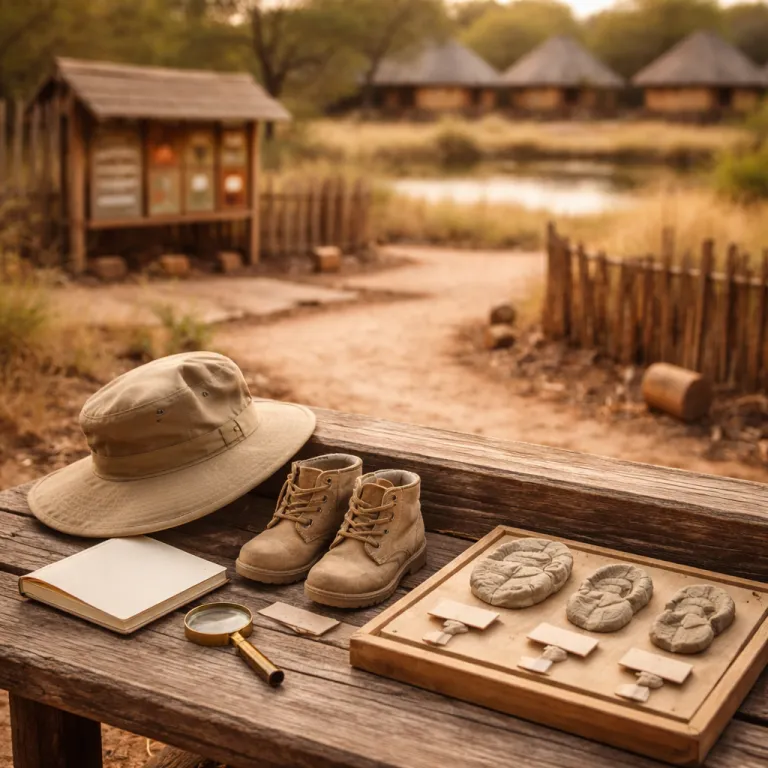
For children aged six to nine, the focus should be sensory and playful. Short bush walks near camp, plaster casts of tracks, and simple ranger program tasks such as identifying bird calls or sorting herbivore dung by size keep attention high without overwhelming them. At this stage, the aim is to build affection for African wildlife and the bush, not to unpack every detail of snaring or habitat loss.
Older children between ten and thirteen can handle more structured ranger programmes. They are ready for longer days that mix game drives with snare-line walks, basic navigation, and discussions about how national park fees, community levies, and lodge wages fit into a broader conservation economy across Southern Africa and beyond to places like Tanzania or South Africa. Teenagers fourteen and above can step into near-adult content, including shadowing guides, joining longer bush walks in Mana Pools or Hwange, and debating why some families choose a bush–beach combination with time in Cape Town or on a Mozambique beach after their Zimbabwe safari.
From safari to home: making the conservation story last
The most effective junior ranger family safari Zimbabwe experiences do not end at the airstrip. Parents who set expectations early, explaining that this is a working safari as much as a luxury holiday, find that children arrive ready to engage with ranger programs rather than just the pool. A simple family briefing before departure about early mornings, respectful behaviour on game drives, and honest but age-appropriate conversations about poaching helps everyone.
Once you are on the ground, ask how the lodge’s junior ranger activities link to national initiatives. Many properties now partner with Zimparks or the Malilangwe Trust, whose programmes aim to equip youth with life skills, foster human–wildlife coexistence, and prepare them for conservation careers through classroom instruction, field activities, and team-building exercises. Zimparks has reported thousands of participants across its various youth conservation clubs and holiday courses, giving families confidence that their children are joining an established framework rather than an improvised activity list. When your children hear that there are wildlife clubs in schools across Zimbabwe, they begin to see their own ranger programme as part of a wider African movement rather than a one-off holiday activity.
Back home, the story can continue in practical ways. Some lodges offer junior memberships, reading lists, or links to citizen science apps that let children log bird sightings or support projects in Hwange, Mana Pools, or even further afield in the Okavango Delta and South Africa, keeping that safari experience alive year-round. If you are planning a broader Southern Africa itinerary that includes Victoria Falls, Cape Town or a bush–beach combination, consider staying at heritage properties such as those featured in our review of the Victoria Falls Hotel, where the conservation narrative can be woven through both city and bush stays for the best family impact.
FAQ
How old should children be for a junior ranger family safari in Zimbabwe ?
Most luxury family lodges in Zimbabwe welcome children from around six years old, but the most meaningful junior ranger activities usually start from about eight. Formal Junior Ranger Programmes run by organisations such as Zimparks and the Malilangwe Trust often target teenagers, with some courses specifically designed for older high-school students and running for several days at a time. For younger children, look for lodges that offer tailored bushcraft sessions and shorter game drives rather than full-day activities.
Is Zimbabwe a better choice than South Africa or Tanzania for family safaris ?
Zimbabwe competes strongly with South Africa and Tanzania for families who value guiding quality and walking-based learning. Hwange and Mana Pools offer dense wildlife, fewer vehicles, and guides trained to a high standard, which benefits junior ranger programmes that rely on tracking and sign reading. Families who want a mix of city, bush and beach might still combine Zimbabwe with Cape Town or an Indian Ocean beach, but the core conservation teaching is often strongest in Zimbabwe’s quieter concessions.
How safe are junior ranger activities and walking safaris for children ?
Reputable lodges design ranger programmes with strict safety protocols, age limits, and clear rules about how close children can approach wildlife. Younger guests usually stay on vehicles for big game viewing, while any bush walks are kept near camp and focus on tracks, plants, and smaller creatures. Teenagers may join longer walks in places like Mana Pools or Hwange, but always under the supervision of licensed guides who read animal behaviour carefully. As one senior guide in Hwange puts it, “We teach children that safety comes from distance, respect and listening, not from trying to get closer for a photograph.”
What should families pack for a junior ranger focused Zimbabwe safari ?
Light, neutral clothing, a wide-brimmed hat, and closed shoes are essential for both game drives and short bush walks. Children benefit from their own binoculars, a simple field notebook, and perhaps a camera, which help them engage more deeply with ranger program tasks. Because temperatures in Southern Africa can swing between hot days and cool evenings, layering is important, and parents should also bring any personal medications as remote camps are far from pharmacies.
Can a junior ranger safari help with school or future career choices ?
Structured junior ranger programmes expose children to ecology, geography, and even basic economics in a way that complements formal schooling. Teenagers who join longer courses, especially those aligned with Zimparks or Malilangwe Trust initiatives, gain leadership experience and a clearer view of conservation careers in Zimbabwe and across Africa. Even for younger children, a well-run family safari can spark interests in science, photography, or community work that last far beyond the trip.