Why Hwange is built for walking, not just game drives
Hwange National Park is often marketed as a classic vehicle safari destination, yet its scale and guiding culture make it one of Africa’s finest places for exploring on foot. Spreading across roughly 14,650 square kilometres in western Zimbabwe, this vast reserve holds over one hundred mammal species and around four hundred bird species. That density of life means every guided walk in Hwange can focus on tracks, calls and subtle movement rather than racing between sightings by vehicle. When you book a luxury lodge or safari camp here, you are not just reserving a room in a hotel but buying into a guiding tradition that treats walking safaris as one of the most authentic ways to meet wildlife.
Zimbabwe’s professional guiding accreditation underpins that tradition and quietly sets Hwange apart from many national parks in neighbouring countries such as South Africa or Zambia. To qualify as a fully licensed walking guide, a professional must log extensive mentored hours in the bush, pass demanding shooting assessments and demonstrate deep knowledge of animal behaviour, ecology and safety protocols before leading guests on bush walks. That level of training means a walking safari in Hwange National Park is not a thrill ride but a carefully managed experience where your guide reads the wind, the elephant’s mood and the game paths long before you notice movement.
For travellers comparing a Hwange walking itinerary with vehicle-focused trips in Mana Pools or across broader southern African safari circuits, the difference lies in how present you feel. On foot, your guide will stop to interpret lion spoor, explain why a particular area holds more game and show you how the park’s pans act as lifelines through the dry season. Game drives still matter here, especially for covering distance at dawn and dusk, yet the most rewarding days weave together a gentle walking safari, a slow game drive and time back at camp watching wildlife drift past the waterhole.
Inside Zimbabwe’s ProGuide culture and what it means on the ground
Zimbabwe Hwange guides sit within a national guiding system that many professionals quietly regard as a benchmark in Africa. The top licence for leading serious walking safaris is the one you should look for when choosing a safari lodge or camp that promises more than token bush walks. Those mentored hours are spent in real national park conditions, tracking game on foot, handling mock charges and learning to manage guests with different fitness levels and expectations.
That depth of experience shows the moment you step out of the vehicle and your Hwange walking guide briefs you beside the camp fire. You will hear clear rules about walking in single file, staying behind the rifle and how to react if an elephant or buffalo appears at close range during the walking safari in Hwange. The same ProGuide will then spend the day reading sign in the sand, explaining why certain areas near pans or river lines are safe to approach on foot while others demand a wider loop, and adjusting the pace so that every guest can enjoy the walk.
Names matter here, and travellers booking premium stays should pay attention to who leads the walks, not just which hotel brand appears on the website. Many of Zimbabwe’s most respected professional guides have built careers that embody this ProGuide culture and its emphasis on safety and interpretation. One veteran Hwange guide, Tendai, likes to tell guests, “My job is to keep you safe enough to forget about safety and simply listen to the bush.” When you research how to find luxury hotels in Zimbabwe for unforgettable safaris, look beyond room categories and ask which ProGuides are in camp, how often walking safaris depart and whether bush walks are limited to short strolls or form the backbone of the Hwange National Park experience.
Camps that put walking first: where to stay in Hwange
Not every safari lodge in Hwange treats walking as the main event, so choosing the right camp is crucial if you want your days built around time on foot. Camp Hwange, set in a private concession within the greater Hwange National Park area, is one of the clearest examples of a property where walking safaris are the default rather than an optional extra. Here, morning walks of three to four hours and shorter afternoon outings are standard, with game drives used to access fresh tracks or return to camp after a long day on foot.
Somalisa Camp and its family-focused sister Somalisa Acacia sit in a different concession but share a similar philosophy, combining classic tented comfort with a strong emphasis on walking and close-up wildlife encounters. Guides at these camps often start with a short game drive at first light, then park the vehicle and continue as a Hwange walking safari, following elephant paths between pans while explaining how the park’s fragile soils and sparse tree cover shape animal movements. The Hide, another respected Hwange camp, has built a reputation for sensory-led walking safaris that focus as much on bird calls, scents and textures as on big game.
For travellers who like a sense of history with their safari, Robins Camp in the far north of Hwange National Park offers access to wide open plains and fewer vehicles, which suits longer walking safaris and extended bush walks. Khulu Bush Camp, closer to the central area, blends a more contemporary lodge aesthetic with serious guiding and flexible walking options, while Amalinda Lodge in the nearby Matobo Hills can be paired with Hwange for a broader Zimbabwe itinerary that balances walking, culture and rock art. If you are combining Victoria Falls and Hwange, consider starting with a night or two at a Zambezi river lodge near the falls, perhaps one highlighted in our guide to luxury experiences along the Zambezi and Victoria Falls, then flying directly into a Hwange airstrip such as Hwange Main or Manga to maximise time on safari.
How walking changes your relationship with wildlife and the landscape
Stepping out of the vehicle in Hwange National Park shifts the entire rhythm of your safari, turning passive game viewing into an active conversation with the landscape. On a walking safari, your guide will point out the faint drag mark of a leopard kill, the difference between fresh and old elephant dung and the subtle change in bird alarm calls that signals a predator moving through the area. Those details are almost impossible to appreciate from a vehicle, especially when the focus is on racing between sightings during a conventional game drive.
Walking safaris also change how you experience distance and risk, particularly around large animals such as elephants and buffalo. A skilled ProGuide in Zimbabwe Hwange country will judge wind direction, cover and escape routes before deciding whether to approach, often stopping at a respectful distance where the herd remains relaxed and you can watch natural behaviour unfold. That judgement, honed over years of walking in Hwange National Park and other reserves across southern Africa, is what makes a walking safari in Hwange both safe and deeply immersive.
Compared with canoe-based trips in Mana Pools National Park or vehicle-heavy itineraries in South Africa, a Hwange walking safari keeps you grounded in one ecosystem for several days, which allows patterns to emerge. You might spend one day following fresh lion tracks from a pan, another tracing the path of elephants between scattered waterholes and a third exploring a quieter area where only antelope and birds betray their presence. Back at camp, whether you are staying at Camp Hwange, Somalisa Camp, Somalisa Acacia or another safari lodge, evenings around the fire become richer because you have walked the ground, felt the dust and heard the night settle over the park rather than just watching it from a vehicle.
Planning your walking safari in Hwange: seasons, fitness and wider itineraries
Season matters when you plan a walking safari in Hwange, because leaf cover and visibility change how safely and effectively guides can operate on foot. The long dry months from roughly July to September are prime time for walking safaris, with thinner vegetation, cooler mornings and wildlife concentrating around pans and pumped waterholes across the park. During this period, early mornings often sit in the 8–12°C range, rising to pleasantly warm afternoons in the mid-20s Celsius, and a typical day might include a three to four hour morning walk, a shorter afternoon outing of two to three hours and relaxed time in camp watching wildlife drift past the lodge waterhole.
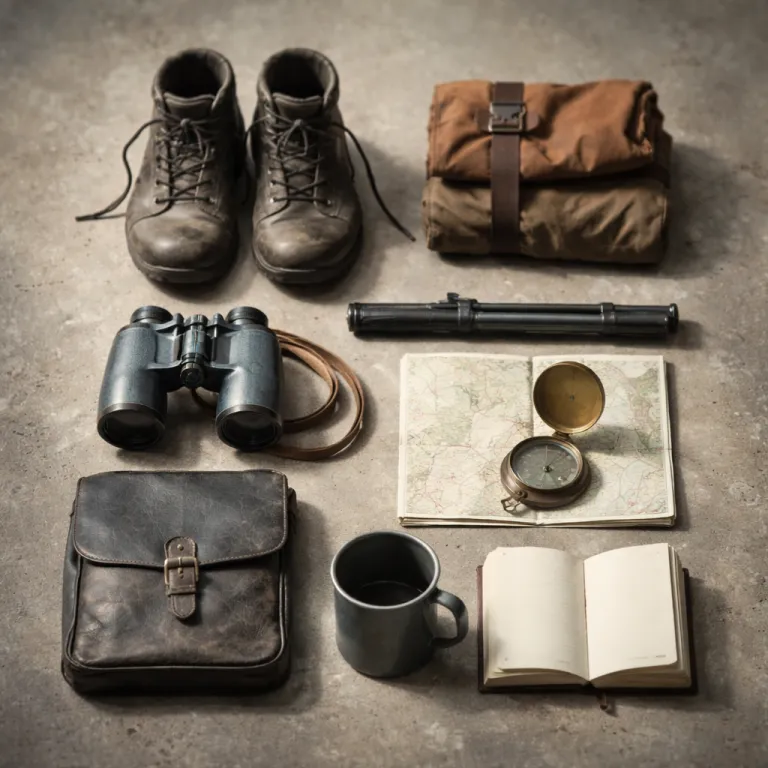
Most camps that specialise in Hwange walking safaris set sensible age limits, often around twelve to sixteen years for full-length bush walks, and expect guests to be comfortable covering six to ten kilometres at a steady but unhurried pace. Neutral coloured clothing, broken-in walking shoes and insect repellent are essential, while binoculars and a small day pack make each walking safari more rewarding. If you are combining Hwange with Mana Pools, Victoria Falls or a wider circuit through Zimbabwe and neighbouring countries such as Zambia, Botswana, Tanzania or Uganda, consider building in rest days at a river-facing hotel or a refined city stay in Harare to balance the physical demands.
Many travellers start or end their trip at Victoria Falls, pairing a Zambezi river lodge with time in Hwange National Park to create a varied Zimbabwe safari. Others route via Harare, using carefully chosen Harare hotels for discerning guests as a base before flying into Hwange or onwards to Mana Pools for more walking safaris along the river. However you structure it, the key is to choose camps such as Camp Hwange, Somalisa Camp, Somalisa Acacia or Amalinda Lodge that treat walking as central to the experience, then ask detailed questions about guide qualifications, daily walking distances, how game drives complement time on foot and what typical nightly rates include in terms of activities and park fees.
Frequently asked questions about walking safaris in Hwange
Is it safe to go on a walking safari in Hwange ?
Yes, with trained guides and safety protocols. In Hwange National Park, reputable safari camps use ProGuides who have logged extensive mentored time on foot, carry appropriate safety equipment and follow strict procedures on every walking safari. If you stay at a recognised safari lodge or camp and follow your guide’s instructions, walking safaris in Hwange are managed to minimise risk while maximising immersion.
What wildlife can I expect to see on foot in Hwange ?
Elephants, lions, leopards, buffaloes, giraffes, zebras and various antelope species. On a typical Hwange walking safari, you are more likely to focus on tracks, signs and behaviour than on close approaches, but encounters with big game at safe distances are common. Birdlife is exceptional, and many guests remember the smaller details of the park’s ecosystems as vividly as the headline wildlife.
How long do walking safaris in Hwange usually last ?
How long do walking safaris last ? Typically 3-4 hours in the morning and 2-3 hours in the afternoon. In Hwange, many camps structure the day around a longer morning walk when temperatures are cooler, followed by a shorter afternoon walk or combined game drive and bush walk. Distances are adjusted to suit the group, but you should expect several kilometres of gentle walking on each outing.
What should I pack for a walking focused safari in Hwange ?
Wear neutral-colored clothing, bring comfortable walking shoes and use insect repellent. A wide brimmed hat, sunscreen, a refillable water bottle and compact binoculars will make each walking safari more comfortable and rewarding. Most safari camps and lodges in Zimbabwe Hwange provide drinking water, field guides and essential safety gear, so you can keep your own kit light.
How does a Hwange walking safari compare with Mana Pools or other African parks ?
Hwange offers some of the most rigorous guiding standards in Africa, thanks to Zimbabwe’s professional guiding system, and its open landscapes suit longer walks than many parks in South Africa or East Africa. Mana Pools and the Zambezi river corridor offer more water-based experiences, while Hwange National Park excels at classic dry season walking safaris around pans and pumped waterholes. Many travellers choose to combine Hwange with Mana Pools, Victoria Falls or other destinations in Zimbabwe and neighbouring countries to experience different walking styles within one itinerary.