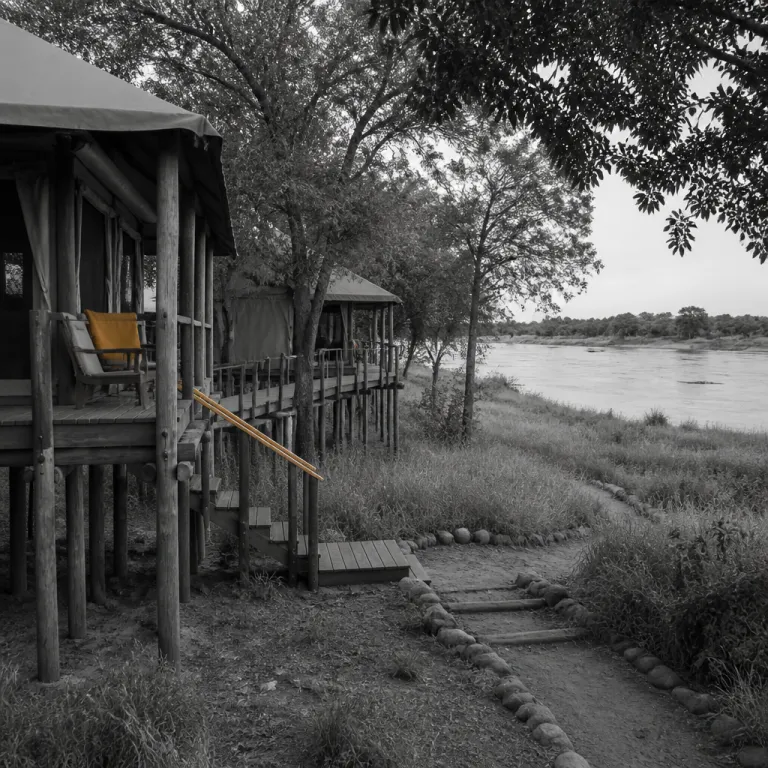
Mana Pools Zimbabwe: Luxury safaris in a UNESCO wilderness
Why mana pools zimbabwe belongs on every luxury safari shortlist
Mana Pools in Zimbabwe offers a rare blend of raw wilderness and refined comfort. This national park along the Zambezi River lets you enjoy a high-end safari while staying in intimate luxury camps that still feel deeply connected to nature. For travellers comparing destinations across Africa, mana pools zimbabwe stands out as a UNESCO World Heritage Site where wildlife, scenery, and service reach an exceptional standard.
The park covers about 2 196 km² of protected area, and this generous space keeps wildlife numbers healthy while limiting vehicle congestion around sightings. Because the national park forms part of the wider Middle Zambezi Valley, you see the river, floodplains, and woodland habitats in a single game drive or guided walk, which creates a layered experience rather than a single landscape. Zimbabwe safari specialists often rank this stretch of the lower Zambezi among the continent’s most atmospheric riverfronts for both photographic safaris and relaxed river cruises.
Luxury travellers appreciate that mana pools national park is managed by the Zimbabwe Parks and Wildlife Management Authority with support from Peace Parks Foundation, which focuses on conservation and sustainable tourism. This partnership helps protect threatened species such as wild dogs while still allowing carefully controlled walking safaris and canoe activities on the Zambezi River. When you plan safari itineraries that include mana pools zimbabwe, you are also directly supporting conservation projects and local community livelihoods in this remote corner of Zimbabwe.
Planning the perfect dry season safari around mana pools
The dry season from July to October is widely regarded as the best time to travel to mana pools zimbabwe. During this period the bush thins, the pools along the river shrink, and elephants, lions, and other wildlife concentrate around the remaining water, which dramatically improves viewing. As the Zambezi River level drops, the floodplain hardens and walking becomes easier, so walking safaris feel both safer and more rewarding.
When you plan safari logistics, remember that a 4x4 vehicle is strongly recommended because some tracks in the park become sandy and rutted. Many guests choose to fly into nearby airstrips such as Mana Pools or Dandawa and then transfer by vehicle or boat to their chosen camp, which reduces travel time and maximises time spent in the core pools national area along the river. For families or multi-generational groups, combining a few nights at a riverfront camp with time at a more traditional lodge elsewhere in Zimbabwe creates a balanced itinerary that suits different comfort levels.
Guided walking safaris are a signature experience in mana pools national park, and they are only allowed with licensed guides who understand wildlife behaviour and safety protocols. One veteran guide summarises the appeal simply: “On foot, you notice every track, every scent, every shift in the wind.” If you are travelling with older children or teenagers, consider reading about the walking safari that changes how your kids see the wild to understand how transformative these experiences can be. The official guidance from park authorities is clear on what to expect: “Are walking safaris allowed? Yes, with licensed guides.”
Where to stay: luxury camps and premium lodges in the park
Accommodation in mana pools zimbabwe ranges from classic tented camp options to ultra-premium suites with private plunge pools and butler-style service. Along the Zambezi River you will find properties such as Nyamatusi Camp, which offers expansive views over the lower Zambezi and a strong focus on conservation-led hospitality. These riverfront camps allow you to wake to the sound of hippos, then step straight into a vehicle or boat for your morning safari.
Camp Mana is a well-known seasonal camp that operates during the dry season, placing guests right on the riverbank in the heart of the national park. Here, walking safaris often start directly from camp, and it is common to see elephants browsing just metres from your veranda, which creates an intense sense of immersion. One afternoon might involve quietly watching a bull elephant reach for albida pods while your guide whispers about his history in the area. For travellers who prefer a slightly more structured environment, some permanent lodges in the wider Zambezi Valley combine air-conditioned suites with easy access to the pools safari zone by vehicle or boat.
Many visitors pair a stay in mana pools zimbabwe with time near Victoria Falls, using properties such as the intimate lodge featured in this review of Elephant Camp near Victoria Falls as a soft landing or finale. This combination lets you experience both river-based wildlife encounters and the drama of the falls in a single Zimbabwe safari itinerary. When you book through a specialist luxury and premium hotel platform, you can often secure value adds such as private guiding, extended walking experiences, or conservation-focused activities tailored to your interests.
Signature experiences: walking with elephants and tracking wild dogs
Mana pools zimbabwe is one of the few places in Africa where walking safaris are not just permitted but actively encouraged under strict professional guidance. On foot, you can approach elephants that have become famous for standing on their hind legs to reach high branches, a behaviour seen more often in this park than almost anywhere else. These close yet respectful encounters turn a standard game drive into a deeper experience that many guests describe as life changing.
The area is also renowned for its healthy population of African wild dogs, a threatened species that benefits from the park’s strong conservation measures and relatively low visitor density. Tracking these animals on a pools safari drive or walk requires patience, but the reward of watching a pack interact on the open floodplain is immense. Because wildlife numbers are carefully monitored by research programmes and anti-poaching units, sightings feel sustainable rather than pressured, which matters to travellers who value ethical tourism.
Beyond the headline species, the national park supports around 100 mammal species and more than 350 bird species, making it a serious destination for keen naturalists. Canoe safaris on the Zambezi River offer a different angle, with hippos, crocodiles, and waterbirds lining the channels between sandbanks during the dry season. Many luxury camps in the mana pools area now weave conservation talks, guided stargazing, and photographic workshops into their daily schedule, so your time between activities becomes part of the overall explore experience.
How luxury booking platforms curate mana pools safari stays
Choosing the right luxury camp in mana pools zimbabwe can feel daunting, especially when you are planning a once-in-a-lifetime trip. Premium hotel and safari booking websites specialising in Zimbabwe safari itineraries help by pre-selecting camps that meet strict standards for guiding, safety, and conservation. They also understand the nuances of the park’s different zones, from the prime riverfront area to more secluded inland sites that offer privacy and fewer vehicles.
These platforms often maintain close relationships with properties such as Nyamatusi Camp and Camp Mana, which allows them to secure preferred rooms, private vehicles, or extended walking safaris during peak dry season dates. Because they track wildlife numbers and seasonal movements across the lower Zambezi, they can advise whether your travel dates are better suited to canoe-based activities, walking, or traditional game drives. For guests who value seamless logistics, they coordinate flights, transfers, and pre- or post-safari hotel stays in Harare, Victoria Falls, or even Cape Town.
If you are combining mana pools with other African cities, consider reading this feature on an elegant stay for Zimbabwe bound luxury travellers to see how urban hotels can frame your safari. A well-designed itinerary might start with a city break, move into a riverfront camp in the Zambezi Valley, then finish with a few nights near Victoria Falls for a softer landing. Throughout, the same booking platform can hold your hand on issues such as travel insurance, dietary needs, and special celebrations, so you focus on the experience rather than the administration.
Conservation, heritage status, and responsible luxury in mana pools
Mana pools national park is recognised as a UNESCO heritage site because of its intact floodplain ecosystem and the way the Zambezi River shapes seasonal wildlife movements. This status, granted in 1984, underpins strict regulations on camp size, visitor numbers, and activity types, which keeps the area feeling wild even as luxury offerings grow. For travellers booking premium accommodation, this means your stay directly supports a protected landscape rather than a mass tourism destination.
The Zimbabwe Parks and Wildlife Management Authority works with Peace Parks Foundation and local communities to run anti-poaching units, research programmes, and community outreach. Their shared goal is to protect biodiversity, support local economies, and maintain the park as a flagship example of conservation-driven tourism in Africa. Because of these efforts, threatened species such as wild dogs, lions, and certain raptors still thrive here, even as pressures on wildlife increase elsewhere.
Eco-tourism principles guide most camps in mana pools zimbabwe, from low-impact building materials to solar power and careful water use during the dry season. Guests are encouraged to join conservation talks, visit community projects outside the park, or contribute to specific initiatives that monitor wildlife numbers and habitat health. When you choose a camp or lodge that aligns with these values, your luxury stay becomes part of a wider conservation story rather than standing apart from it.
Designing a multi stop Zimbabwe safari around mana pools
Many travellers structure their Zimbabwe safari around mana pools zimbabwe as the wildest chapter, then add contrasting destinations for variety. A classic route links the Zambezi Valley with Victoria Falls and another national park such as Hwange, creating a journey that moves from river to woodland to open savannah. This approach suits guests who want both intense walking safaris and more relaxed game drives or spa time.
Start by deciding how many nights you want in the core pools national area, bearing in mind that four to five nights usually allows time for walking, canoeing, and vehicle-based safaris without rushing. Then look at flight connections between mana pools, Victoria Falls, and any other regions you wish to include, as this will shape the order of your itinerary. Luxury booking platforms can advise on whether to begin with the drama of the falls or to end there as a celebratory finale after days in the bush.
Some guests extend their travel into neighbouring countries along the lower Zambezi, combining mana pools with parks on the opposite bank for a cross-border river experience. Others prefer to focus entirely on Zimbabwe, deepening their connection to one country while still enjoying varied landscapes and wildlife. Whatever you choose, the key is to align your camp selection, activity mix, and travel pace with your personal definition of a perfect safari experience.
Key statistics for mana pools national park and luxury safaris
- The protected area of Mana Pools National Park covers about 2 196 km², which provides ample space for wildlife to roam and helps keep visitor density low across the core safari zones (Zimbabwe Parks and Wildlife Management Authority).
- Researchers have recorded roughly 350 bird species in the park, making mana pools zimbabwe one of the most rewarding birding destinations along the Zambezi River in southern Africa (Wildlife Worldwide and regional ornithological surveys).
- Approximately 100 mammal species occur within the national park, including elephants, lions, hippos, crocodiles, and wild dogs, which supports diverse safari experiences from game drives to walking safaris (International Parks data and Zimbabwe conservation reports).
- The dry season from July to October is widely regarded as the optimal period for a pools safari because shrinking water sources concentrate wildlife numbers along the river and remaining pools, improving viewing from both vehicles and on foot.
- Mana Pools has held UNESCO World Heritage status since its designation in the nineteen eighties, a recognition that underpins strict conservation measures and guides how luxury camps operate within the Zambezi Valley ecosystem.
FAQ about mana pools zimbabwe luxury and premium stays
What wildlife can I expect to see in Mana Pools National Park ?
Visitors to mana pools zimbabwe regularly see elephants, lions, hippos, crocodiles, and a wide range of antelope along the Zambezi River floodplains. Birdwatchers can look for more than 350 recorded bird species, including African fish eagles and colourful bee-eaters. With around 100 mammal species present, game drives and walking safaris often deliver varied sightings in a single day.
Are walking safaris really allowed, and are they safe ?
Yes, walking safaris are a defining feature of mana pools national park, but they are only permitted with licensed professional guides. These guides are trained to read animal behaviour, manage safe viewing distances, and choose appropriate routes based on conditions and wildlife movements. When you book through a reputable luxury camp or premium safari operator, all walking activities follow strict safety protocols agreed with park authorities.
When is the best season to visit for a luxury safari ?
The dry season from July to October is generally considered the best time to travel to mana pools zimbabwe for high-end safaris. During these months, vegetation is thinner and animals gather around the remaining pools and the main Zambezi River channels, which improves visibility. Luxury camps often operate at full capacity in this period, so it is wise to plan safari bookings well in advance.
How do I get to Mana Pools and which airport should I use ?
Most international travellers fly into Harare or Victoria Falls, then connect by light aircraft to airstrips serving the mana pools area. From there, your chosen camp usually arranges 4x4 or boat transfers into the national park, depending on water levels and the exact location of the property. Typical transfer times from the airstrip to camp range from 30 minutes to just over an hour. Premium booking platforms and safari specialists coordinate these legs so your travel feels seamless from city hotel to riverfront camp.
Is Mana Pools suitable for families and first time safari guests ?
Mana pools zimbabwe can be an excellent choice for families with older children and for first-time safari travellers who value immersive experiences. Some camps accept teenagers on walking safaris, while others focus on vehicle-based activities and gentle river cruises that suit a broader age range. When planning, discuss your group’s comfort levels with your booking consultant so they can match you with the right camp, activity mix, and season.