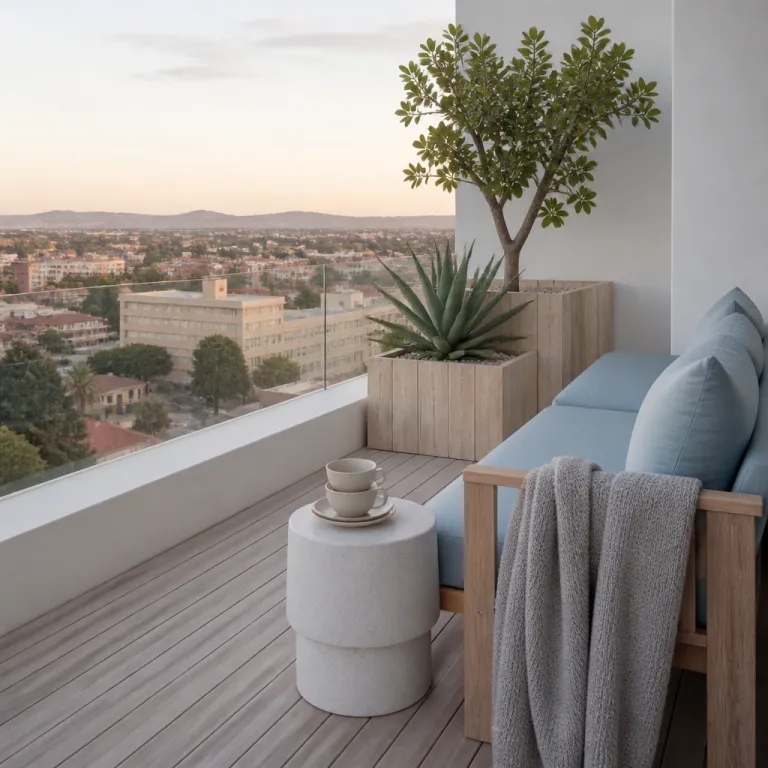
Bulawayo city as a refined urban escape in Zimbabwe
Bulawayo offers a calm, elegant counterpoint to busier African hubs. As Zimbabwe’s second largest urban centre, the City of Kings combines gracious avenues, historic architecture, and a relaxed pace that suits luxury travellers. Many guests choose Bulawayo as their base when they want refined hotels with easy access to national parks and cultural landmarks.
The Bulawayo City Council manages urban services that directly affect premium hotel experiences in the city. Reliable water supply, ongoing road maintenance, and investment in residential districts help high end properties deliver consistent comfort throughout the year. When you book in Bulawayo, you benefit from a destination that is actively governed and recognised in national tourism strategies as a key gateway for the south of Zimbabwe.
The city’s position in Matabeleland, close to South Africa and Botswana, makes it a strategic stop for regional itineraries. Travellers often route through Harare for international flights, then connect to Joshua Mqabuko Nkomo International Airport for a shorter hop into the south of the country. This combination of Harare and Bulawayo stays allows you to compare different urban characters within Zimbabwe, with Bulawayo quieter, more spacious, and deeply rooted in Ndebele heritage.
The City of Kings identity is not a marketing slogan but a reflection of real history. Bulawayo was once the royal capital of King Lobengula, and that legacy shapes how the destination presents itself to discerning visitors. When you walk through the compact central district, you sense a measured dignity that pairs well with luxury hotels, curated city tours, and private transfers to nearby national parks.
Population density here is lower than in Harare, which means less congestion around your hotel. Wide streets, mature trees, and gracious neighbourhoods create a feeling of space that many premium guests value. For travellers planning a longer stay in the south of Zimbabwe, this urban layout translates into quieter nights, smoother airport transfers, and more relaxed city exploration.
Bulawayo also serves as a cultural anchor for the wider region of Matabeleland. From here, you can reach Matobo Hills, Hwange National Park, and even Victoria Falls by road or rail, while returning each evening to a polished urban base. This blend of city comfort and easy access to wilderness is what makes Bulawayo such an effective hub for luxury and premium hotel bookings in Zimbabwe.
History, heritage, and the character of luxury stays in Bulawayo
The history of Bulawayo is central to understanding its appeal for high end travellers. Founded as a royal town under King Lobengula, the area that became the modern city has long been associated with leadership and ceremony. Today, many luxury hotels reference this City of Kings story through curated art, Ndebele design elements, and storytelling experiences.
Bulawayo’s timeline from royal kraal to colonial town and then to full city status created a layered urban fabric. Edwardian and Victorian era buildings, the railway heritage, and wide avenues named after historical figures all contribute to a sense of place that feels authentic rather than staged. When you book a premium room in Bulawayo, you are not only reserving a bed but also buying into a narrative shaped by national and regional events over more than a century.
Cultural institutions reinforce this sense of depth for guests who value context. The Natural History Museum of Zimbabwe, often simply called the natural history museum, offers one of the most comprehensive collections in southern Africa and sits within easy reach of most city hotels. Many concierges arrange private guided visits so that guests can understand how the region’s geology, wildlife, and human history intersect.
Local Ndebele culture remains visible in daily life, from language to craft markets and community events. Upscale properties in residential suburbs increasingly partner with Ndebele artists and performers, offering guests curated encounters that respect community agency and fair compensation. This approach aligns with the expectations of luxury travellers who want meaningful cultural contact rather than staged shows with little connection to the real city.
Rail heritage is another distinctive thread in Bulawayo’s story. The railway once linked the city to South Africa and other parts of Zimbabwe, and its legacy still shapes freight and passenger routes that pass near many urban hotels. Some premium itineraries use rail segments between Bulawayo and Victoria Falls, combining nostalgic travel with modern comfort and then returning to a high end hotel in town for a final night.
For travellers who enjoy pairing urban stays with coastal or Cape Town experiences, it is worth studying how other destinations handle heritage. An elegant stay in Cape Town, such as those described in this guide to elegant stays for Zimbabwe bound luxury travellers, can complement a Bulawayo visit by offering a different but related perspective on southern African history. Together, these experiences help you appreciate how Bulawayo, Harare, and South Africa’s cities share rail, trade, and cultural links that still influence premium travel routes today.
Climate, seasons, and the best time to book in Bulawayo city
Understanding the climate of Bulawayo is essential when planning a luxury stay. The region experiences a clear rainy season and a contrasting dry season, and each period shapes hotel demand and pricing. When you align your booking with the right time of year, you can secure better value and more comfortable conditions for city touring.
The rainy season usually runs from about November through to around March, with February often bringing some of the heaviest showers. During this time of the year, the city’s parks and avenues turn lush, and water levels in nearby rivers and dams rise, which can be visually appealing from a high floor suite. However, afternoon storms may affect road conditions between Bulawayo and national parks, so premium travellers often arrange private 4x4 transfers to maintain comfort and timing.
The dry season typically stretches from late April into the middle of October, bringing clear skies, cooler nights, and excellent conditions for game viewing in Hwange National Park. Many guests choose to combine a few nights in Bulawayo with a longer safari in Hwange or Matobo National Park during this dry season window. Luxury hotels in the city often coordinate with safari lodges to align check in and check out times with road or air transfers, reducing waiting time at the airport.
Shoulder months around March and November can offer a balance of value and comfort. In March, the last rains leave the suburbs green, while temperatures begin to moderate and city traffic eases after holiday peaks. By November, the build up to the rainy season brings dramatic skies over Bulawayo, and some hotels offer promotional rates before festive season demand increases.
Harare and Bulawayo share broadly similar seasonal patterns, but Bulawayo’s altitude and position in the south of Zimbabwe often mean slightly cooler, drier conditions. Travellers who are sensitive to high humidity sometimes prefer to base themselves here for part of their trip, using the city as a staging point for visits to Victoria Falls or Hwange. When comparing Harare hotels with properties in Bulawayo, it helps to read specialised guides to elegant stays in Harare for discerning travellers so that you can match each city to your climate and style preferences.
Whatever the season, premium hotels in Bulawayo are accustomed to managing weather related logistics. During the rainy months, concierges monitor river levels and road conditions on routes to Matobo Hills and Hwange National Park, adjusting departure times when necessary. In the dry season, properties may focus on early morning departures to national parks, allowing guests to return to the city in time for spa treatments, fine dining, or quiet evenings on shaded terraces.
Access, Bulawayo airport, and seamless movement between city and wilderness
Access to Bulawayo has improved steadily, making it easier to integrate into a luxury itinerary. The main gateway is Joshua Mqabuko Nkomo International Airport, which handles domestic and regional flights. Many travellers route through Harare or Johannesburg in South Africa, then connect to Bulawayo for the final leg of their journey.
From the airport, the drive into town usually takes around half an hour, depending on traffic and the specific neighbourhood where your hotel is located. Premium properties often include private airport transfers in their rates, using comfortable SUVs or executive sedans with chilled water and Wi Fi. When you book through a specialised luxury and premium hotel platform for Bulawayo, you can usually pre arrange these transfers and confirm exact pick up times.
Bulawayo’s position in the south of the country makes it a natural hub for overland journeys. Roads link the city to Hwange National Park, Matobo Hills, and onward to Victoria Falls, allowing you to move between urban comforts and wilderness without backtracking through Harare. Some itineraries even extend into South Africa or Botswana, using Bulawayo as a mid point where you can enjoy city amenities before or after time in remote national parks.
Rail remains part of the transport picture, even if schedules can be variable. The Bulawayo railway connects the city to Harare, Victoria Falls, and the South Africa corridor, and some travellers still choose overnight trains as a nostalgic alternative to road transfers. If you plan to use the railway, it is wise to let your hotel concierge monitor departure times and arrange flexible check in or late check out options.
Water based journeys on the Zambezi River sit further north, but they pair well with a Bulawayo stay for travellers who enjoy varied modes of travel. For example, you might combine a few nights in the City of Kings with a luxury river cruise and top tier safari lodges, as outlined in this guide to pairing a floating safari with Zimbabwe’s finest luxury lodges. After time on the river and in national parks, returning to Bulawayo offers a welcome change of pace, with reliable services, varied dining, and easy access to the airport for onward flights.
Within the city itself, movement between central districts and the suburbs is straightforward by car. Many luxury hotels either sit close to main arterial roads or in quiet residential areas with quick access to the city’s ring routes, which reduces transfer time to Matobo Hills or Hwange. When evaluating hotel options in Bulawayo, pay attention to how each property positions itself relative to the airport, the railway, and the main roads leading to national parks.
From Bulawayo city to Matobo Hills, Hwange National Park, and Victoria Falls
One of Bulawayo’s greatest strengths is its proximity to iconic natural landscapes. Matobo Hills lies less than an hour’s drive from the central business district, making it ideal for day trips or short overnight excursions. Hwange National Park and Victoria Falls sit further away but remain accessible by road or air, allowing you to combine urban comfort with world class wilderness.
Matobo Hills, a UNESCO listed cultural landscape, is renowned for its balancing rock formations, ancient rock art, and spiritual significance. Many luxury travellers choose to stay in Bulawayo and visit Matobo National Park on guided day tours that include private vehicles, gourmet picnics, and expert guides. These excursions often weave together natural history, Ndebele heritage, and stories of King Lobengula, whose historical domain included parts of the surrounding region.
Hwange National Park, sometimes referred to as Hwange National, is Zimbabwe’s largest wildlife reserve and a major draw for safari enthusiasts. Travellers frequently fly into Bulawayo airport, spend a night or two in leafy suburbs to rest, then transfer by road or charter flight to Hwange for several days of intensive game viewing. After time in the bush, returning to the city for a final night allows you to enjoy hot showers with abundant water, fine dining, and spa treatments before international flights.
Victoria Falls, one of the natural wonders of the world, lies to the northwest of Bulawayo and is reachable by road, rail, or air. Some itineraries start in Harare, continue to the City of Kings for heritage and museums, then move on to Victoria Falls for adventure activities on the Zambezi River. Others reverse the order, ending in Bulawayo so that guests can decompress in a quieter urban environment after the intensity of the falls and surrounding national parks.
Throughout these journeys, Bulawayo serves as a logistical and cultural anchor. The Natural History Museum of Zimbabwe helps visitors contextualise the wildlife they see in Hwange National Park, while the museum collections illuminate the human stories behind Matobo Hills and the City of Kings identity. Many luxury hotel concierges maintain close relationships with top safari lodges, ensuring that transfers, luggage handling, and timing between city and wilderness run smoothly.
For travellers planning complex multi stop itineraries, it is wise to think of Bulawayo not just as a waypoint but as a destination in its own right. A carefully chosen hotel in a quiet suburb can become your home base between national park visits, offering consistent service, secure storage for luggage, and a chance to engage with Ndebele culture in an urban setting. This approach turns Bulawayo into the calm centre of a wider journey that includes Matobo Hills, Hwange National, and Victoria Falls.
Choosing the right luxury hotel in Bulawayo city
Selecting a luxury hotel in Bulawayo starts with clarifying your priorities. Some travellers want quick access to the airport and main roads to national parks, while others prefer leafy residential areas with a more secluded feel. Your choice will shape how you experience the City of Kings, from morning views to evening dining options.
Location is the first major factor to consider. Properties in central Bulawayo place you close to the Natural History Museum of Zimbabwe, other museum collections, and key civic buildings managed by the Bulawayo City Council. Hotels in the suburbs, by contrast, often offer larger gardens, quieter nights, and easier parking, which can be valuable if you are arriving by road from South Africa or returning from Hwange National Park.
Service standards and cultural sensitivity matter just as much as physical comfort. Many guests appreciate hotels that employ staff from local Ndebele communities and offer training that reflects both national hospitality standards and regional traditions. When reading reviews of Bulawayo properties, look for comments about how teams handle special requests, manage airport transfers, and coordinate with guides for visits to Matobo Hills or Victoria Falls.
Facilities should align with your planned activities and the season of your visit. During the hot months around November and the early rainy season, a reliable swimming pool and strong air conditioning can make a significant difference to your comfort in southern Zimbabwe. In the cooler dry season, you might prioritise heated rooms, cosy lounges, and flexible meal times that fit around early departures to Hwange or Matobo National Park.
Heritage focused travellers often seek properties that reflect the City of Kings narrative. Some hotels in Bulawayo incorporate references to King Lobengula, Ndebele motifs, or the railway into their design and storytelling, creating a sense of continuity with the city’s past. As one local summary notes, “Known as the 'City of Kings', rich in cultural heritage.”
Finally, consider how your Bulawayo stay fits into a broader itinerary across Zimbabwe and South Africa. If you are combining Harare, the City of Kings, and regional highlights like Victoria Falls or the Zambezi River, choose hotels that understand multi stop journeys and can coordinate with partners in other cities. A well selected property in Bulawayo will not only provide a comfortable bed but also act as a capable hub for your movements across national parks, airports, and neighbouring countries.
Urban experiences in Bulawayo city for luxury travellers
Bulawayo offers more than a convenient stop between national parks. For travellers who appreciate urban experiences, the City of Kings provides galleries, museums, parks, and dining options that can easily fill several days. Treating Bulawayo as an urban escape in its own right allows you to balance safari intensity with cultural depth and relaxation.
Museum visits are a natural starting point. The Natural History Museum of Zimbabwe, located in the city, houses extensive collections on geology, wildlife, and human cultures that span the wider region, including South Africa and neighbouring countries. Nearby, other history museum spaces and galleries explore the development of Bulawayo, its railway heritage, and the role of Ndebele communities in shaping local identity.
Green spaces within the city provide welcome contrast to the built environment. City parks and tree lined avenues offer shaded walks, while some suburbs feature quiet residential streets ideal for morning jogs or guided cycling tours. During the rainy season, these parks become particularly lush, with higher water levels in nearby river systems feeding urban vegetation and attracting birdlife.
Culinary experiences in Bulawayo range from refined hotel restaurants to independent venues that highlight regional flavours. Many chefs draw on Ndebele and broader Zimbabwean traditions, using local ingredients that reflect both the dry season and rainy season harvests. Luxury travellers often appreciate tasting menus that pair dishes with stories about the history of Bulawayo, the City of Kings, and the surrounding national parks.
Shopping and crafts offer another layer of engagement with the destination. Markets and galleries showcase Ndebele beadwork, textiles, and contemporary art, and some luxury hotels host curated pop up shops to connect guests with vetted artisans. When buying pieces that reference Matobo Hills, Hwange National Park, or Victoria Falls, you bring home tangible reminders of both the city and the wider landscapes you have visited.
Even simple activities like walking through central Bulawayo can be rewarding. Wide streets, historic buildings named after key figures, and views towards the south and west give a sense of scale that differs from Harare or other regional capitals. By allowing time in your itinerary for unhurried exploration of the City of Kings, you transform the city from a transit point into a memorable part of your luxury travel story.
Key figures and practical statistics for Bulawayo city stays
- Bulawayo has a population of roughly 700,000 people, according to recent national estimates, which makes it the second largest city in Zimbabwe and ensures a substantial hospitality infrastructure for travellers. Figures are based on publicly available census summaries and tourism reports.
- The urban area covers just over 540 square kilometres, giving Bulawayo a relatively low density compared with some African capitals and contributing to its spacious avenues and quieter suburbs. This area estimate is drawn from municipal planning documents and regional mapping sources.
- Joshua Mqabuko Nkomo International Airport lies a short drive from the central business district, so most private transfers between the airport and city hotels take around 20 to 30 minutes under normal traffic conditions. Travel times are approximate and can vary with time of day and route.
- Matobo Hills and Matobo National Park are located less than 50 kilometres from Bulawayo, which allows luxury travellers to visit this cultural landscape on comfortable half day or full day excursions. Distances are rounded from commonly used road itineraries.
- Hwange National Park sits about 300 kilometres northwest of the city by road, and transfer times typically range from four to six hours depending on route and stops, making an overnight in Bulawayo a practical staging point. These figures are indicative and should be confirmed with your chosen operator.
FAQ about luxury and premium stays in Bulawayo city
What is Bulawayo known for among luxury travellers ?
Bulawayo is known as the City of Kings, with a strong Ndebele heritage, wide tree lined streets, and a calm urban atmosphere that appeals to travellers seeking a refined base near major national parks. Many guests value its proximity to Matobo Hills, Hwange National Park, and Victoria Falls, as well as its museums and historic architecture. The combination of cultural depth and logistical convenience makes Bulawayo a strategic hub for premium itineraries in Zimbabwe.
How does Bulawayo compare with Harare for high end hotel stays ?
Harare offers a larger selection of international style hotels and serves as the main international gateway, while Bulawayo provides a quieter, more heritage focused experience. Travellers who prioritise nightlife and corporate facilities often favour Harare, whereas those seeking easy access to Matobo Hills and Hwange National Park tend to prefer Bulawayo. Many luxury itineraries include both cities so that guests can experience different sides of urban life in Zimbabwe.
When is the best time of year to visit Bulawayo city ?
The dry season from about May to October usually offers the most comfortable conditions for city touring and safari extensions, with clear skies and cooler nights. The rainy season from roughly November to March brings greener landscapes and fewer crowds, which some travellers enjoy, though afternoon storms can affect road travel to national parks. Shoulder months such as March and November often provide a good balance of value, pleasant temperatures, and manageable rainfall in Bulawayo.
Is Bulawayo a good base for visiting national parks and Victoria Falls ?
Yes, Bulawayo is an excellent base for exploring Matobo National Park, Hwange National Park, and, with a longer transfer, Victoria Falls. Many travellers fly into Joshua Mqabuko Nkomo International Airport, spend a night or two in quiet suburbs, then continue by road or air to their chosen parks. Returning to Bulawayo at the end of a safari allows guests to enjoy urban comforts, museums, and dining before onward international flights.
What cultural experiences are available in Bulawayo for luxury guests ?
Luxury guests in Bulawayo can visit the Natural History Museum of Zimbabwe, explore other history museum collections, attend curated performances that highlight Ndebele culture, and join guided tours of historic districts linked to King Lobengula and the railway. Many high end hotels collaborate with local artists and cultural practitioners to offer private exhibitions, craft demonstrations, and storytelling evenings. These experiences allow travellers to connect with the living culture of Bulawayo while maintaining the comfort and privacy expected at a premium level.
References and further reading
- Zimbabwe Tourism Authority – official information on destinations including Bulawayo and national parks.
- Bulawayo City Council – municipal updates, urban development projects, and local services.
- Natural History Museum of Zimbabwe – details on collections, exhibitions, and visitor information in Bulawayo.