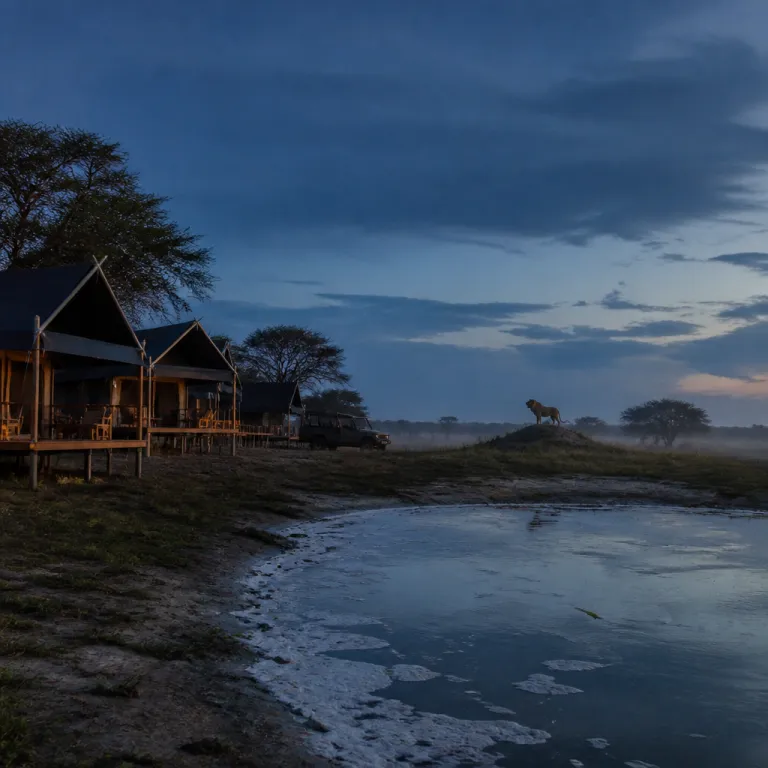
Why a Zimbabwe mobile camp luxury safari feels different
A Zimbabwe mobile camp luxury safari changes how you think about wilderness. These mobile safaris shift camp locations with the seasons, following wildlife patterns across each national park so your tent sits where the game actually moves, not where a permanent lodge once poured concrete. For couples used to classic safari lodges, this kind of mobile safari camp feels closer to the bush yet still quietly, confidently luxury.
In Zimbabwe, the best operators position each mobile camp inside prime wildlife corridors. You might sleep on a private stretch of the Zambezi River one week, then move to a remote inland camp near a hidden pan where game gathers at dusk, creating a completely different safari experience without losing comfort. Because these safari camps are not tied to a permanent waterhole, wildlife viewing becomes more spontaneous, with elephants, buffalo and predators drifting through camp rather than queuing at a single point.
The romance lies in impermanence and in how these camps lodges are set up and stripped away with almost no trace. Canvas tents feel intimate rather than cramped, and a well run safari camp in Zimbabwe offers real beds, fine linen and hot bucket showers that steam under the stars, giving semi luxury touches in the middle of raw bush. For couples, that contrast between rugged game country and carefully curated comfort is often what turns a good safari into the best shared memory.
From Hwange to Mana Pools: where mobile camps follow the wildlife
Zimbabwe’s geography makes a Zimbabwe mobile camp luxury safari unusually rewarding. In Hwange National Park, mobile safaris can work private concessions along ancient elephant routes, then reposition closer to seasonal pans when the dry months tighten the bush and concentrate game. This flexibility means your safari experience in Hwange National areas is tuned to where wildlife actually is, not where a fixed lodge hopes it will be.
On the Zambezi River floodplains of Mana Pools, a mobile safari camp can shift between open albida forests and more secluded riverine bush. Here, walking safaris are a hallmark, and guides use the mobility of camp to keep you near the best wildlife viewing, whether that is a wild dog den inland or a stretch of river where hippos and crocodiles patrol the channels. Couples who want a more intense connection with the wilderness often choose these mobile camps over a traditional safari lodge because every move feels purposeful.
Further north, the Matetsi Victoria Falls region combines riverfront safari lodges with more remote camps that can be used in a semi luxury mobile format. You might start at a safari lodge near Victoria Falls for a night, then head into a mobile camp on a private concession where game drives run at first light and after dark. For a deeper sense of Zimbabwe beyond the spray of Victoria Falls, pairing fixed camps lodges with mobile camps across at least two national park areas gives the best balance of comfort and immersion, especially for couples planning a longer trip and considering how bush dining shifts with the seasons, as explored in this guide to dry season dining in the bush.
Canvas, comfort and wellness: what luxury really means in a mobile camp
Luxury in a Zimbabwe mobile camp luxury safari is not about marble bathrooms. It is about how a camp’s équipe anticipates your needs in the bush, from a perfectly timed hot bucket shower after a dusty game drive to a riverside massage table shaded by winterthorn trees. In the best safari camps, wellness is woven into the rhythm of the day rather than bolted on as a spa menu.
A typical mobile safari tent in Zimbabwe offers a proper bed with high thread count linen, solar lighting, and an en suite bathroom with eco flush or long drop toilet plus a shower filled on request. Semi luxury setups might use slightly smaller tents or simpler furnishings, but even these camps aim for quiet elegance rather than roughing it, especially for couples on a romantic safari. On the Zambezi River and in Mana Pools, some operators add yoga mats, portable treatment tables and shaded decks so you can stretch or enjoy a treatment while watching wildlife along the riverbank.
Wellness here also means mental space, and a mobile safari camp gives that in ways a busy lodge near Victoria Falls cannot. There is no spa complex, yet the act of walking between tents, listening to night sounds and sharing a private fire after dinner becomes its own kind of therapy. Couples who combine a few nights at a refined urban property in Bulawayo, such as those profiled in this guide to urban elegance in Zimbabwe, with time in a mobile camp often say the bush portion is where they finally exhale.
For those drawn to more active wellness, multi day canoe journeys on the Zambezi River pair beautifully with a mobile safari itinerary, as outlined in this feature on Zambezi canoe trails. Paddling by day and returning to a simple yet luxury focused camp at night keeps you close to wildlife while still offering comfort. The combination of movement, river air and quiet nights under canvas is often more restorative than any formal spa circuit.
Guides, game drives and walking safaris: why mobile attracts the best talent
Zimbabwe’s guiding standards are famously rigorous, and a Zimbabwe mobile camp luxury safari often showcases that at its peak. Many of the country’s most respected professional guides choose mobile safaris because they prefer the challenge of reading fresh tracks each day rather than circling the same lodge waterhole. For couples, that means your game drives and walking safaris are led by people who live for the unpredictability of the bush.
On a mobile safari in Hwange National areas, a guide might reposition camp closer to a newly active game corridor, then design walking safaris that trace those movements at first light. In Mana Pools, guides use the flexibility of a mobile camp along the Zambezi River to plan both canoe outings and on foot approaches to wildlife, always within strict safety parameters. The result is a safari experience that feels handcrafted, with each day’s plan shaped around what the bush is doing rather than a fixed lodge timetable.
Names matter here, and serious travelers pay attention to operators. Great Plains Conservation, for example, runs Tembo Plains as a permanent yet highly flexible safari lodge in the greater Zambezi region, and many of the guides who thrive in that environment also work in more mobile formats. In the eastern part of the country, Changa Safari Lodge on Lake Kariba is a fixed property, but its guiding culture influences how some semi luxury mobile camps in the region approach game drives and walking safaris, blending boat based wildlife viewing with classic bush skills.
Across Zimbabwe, the best safari camps and camps lodges share one trait, whether mobile or fixed. They treat guiding as the core of luxury, not an add on, and a private vehicle or private guide for couples is often the most valuable upgrade you can book. When your guide knows every bend of the river and every elephant family by sight, a simple pause under a winterthorn can feel more exclusive than any spa treatment.
Planning, pricing and packing for a mobile tented safari in Zimbabwe
Designing a Zimbabwe mobile camp luxury safari starts with being honest about how you like to travel. Couples who want polished service, strong wellness options and easy access to Victoria Falls might begin with a few nights at a high end safari lodge near the falls, then add a mobile safari in Hwange National Park or Mana Pools. Those who care more about wilderness immersion than about plunge pools can spend most nights in mobile camps, using a single night in a lodge mainly for logistics.
Pricing for mobile safaris in Zimbabwe usually sits slightly below the very top tier of permanent luxury safari lodges, though the gap narrows in remote concessions. You are paying for logistics, guide quality and access to prime wildlife areas rather than for heavy infrastructure, and that often represents strong value for couples who prioritize game viewing. Semi luxury mobile options can reduce costs further while still offering comfortable tents, good food and excellent wildlife viewing, especially when combined with a few nights at a place like Matetsi Victoria Falls or another refined riverfront lodge.
Packing for a mobile safari camp requires a lighter, more thoughtful approach than for a city hotel. Soft bags work better than hard suitcases in small aircraft, and neutral clothing helps on walking safaris and game drives, where you want to blend into the bush rather than stand out. Bring a compact daypack, a good headlamp, any personal wellness items you value, and be ready to embrace the small rituals of camp life that turn a simple chair by the fire into the best seat in Zimbabwe.
FAQ
Is a mobile camp safari in Zimbabwe comfortable enough for a romantic trip
Well run mobile camps in Zimbabwe are designed to be comfortable for couples, with proper beds, high quality linen and en suite facilities. While the structures are canvas, you still have hot bucket showers, good lighting and thoughtful service that feels luxury rather than basic. Many couples find the combination of comfort and wilderness more romantic than a larger lodge.
How many nights should we spend in a mobile camp versus a lodge
A balanced itinerary for couples often includes three to four nights in a mobile camp and two to three nights in a fixed safari lodge or city hotel. This gives you time for deep wildlife viewing and walking safaris, plus a softer landing with spa treatments or urban comforts. Longer trips might add a second mobile location, such as combining Hwange with Mana Pools.
Is a mobile safari suitable for first time safari travelers
First time visitors to Zimbabwe can absolutely enjoy a mobile safari, especially when paired with a night or two at Victoria Falls or a permanent lodge. The key is choosing reputable operators with strong guiding and clear safety briefings for walking safaris and game drives. If you are nervous, start with a fixed camp then move into a mobile camp once you feel more at ease in the bush.
What is the best time of year for a mobile camp safari in Zimbabwe
The dry season months generally offer the best wildlife viewing for mobile safaris in Hwange National Park and Mana Pools. As water sources shrink, game concentrates around remaining pans and the Zambezi River, making sightings more frequent and predictable. Some mobile camps operate only in these peak months, so availability can be limited for couples planning last minute trips.
How does a mobile safari impact the environment compared with a permanent lodge
Mobile camps are designed to leave a light footprint, with structures that can be removed and minimal permanent infrastructure. This reduces long term impact on the bush compared with some older lodges, especially in sensitive national park areas. Responsible operators manage waste carefully and restore each camp site so wildlife can move freely once the season ends.