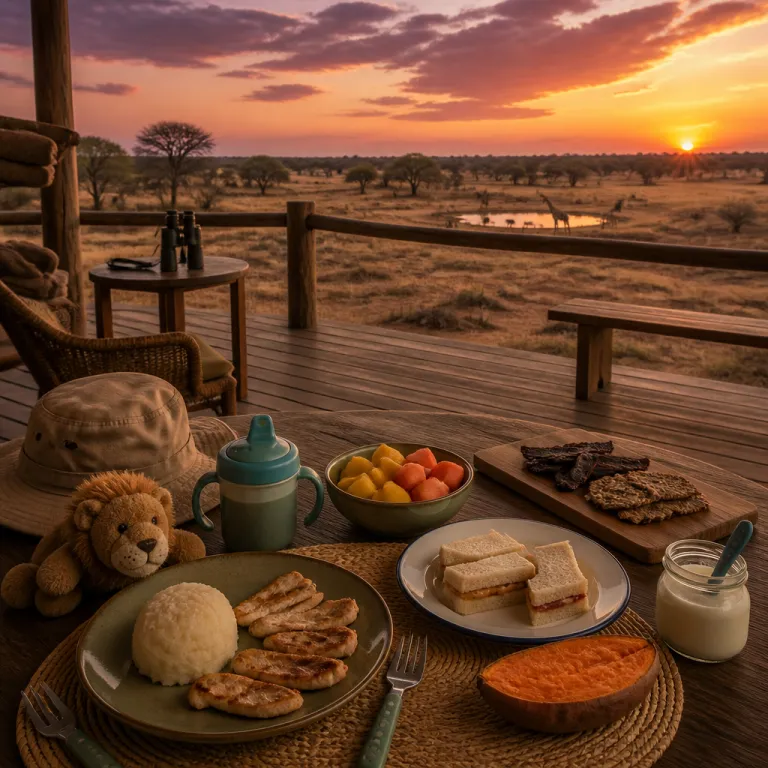
Why zimbabwe safari food for families with children feels different in the dry season
Parents rarely admit it, but zimbabwe safari food for families with children causes more quiet anxiety than lions or leopards. During the long, clear dry season when most travellers arrive in Zimbabwe for an African safari, days in the bush are hot, dusty and thrilling, and that combination can turn even the most adventurous child into a picky eater by sunset. The best family friendly lodges understand this rhythm and design every meal, snack and drink to keep energy steady from first game drives at dawn to the last story around the camp fire.
Across Zimbabwe’s major safari destination regions such as Victoria Falls, Hwange National Park, Mana Pools National Park and Lake Kariba, roughly nine out of ten lodges now offer clearly child focused options at every meal. That figure mirrors data from the Safari Lodge Association, which reports that the percentage of lodges offering child-friendly meals is 90 %, and in practice you see it in everything from early sittings to simplified menus that still feel grown up. For a zimbabwe family planning a first family safari, this means you can choose a lodge or camp for its wildlife and guiding first, then refine the shortlist based on how confidently the kitchen handles children’s needs.
Luxury properties in park Zimbabwe areas such as Hwange National and Mana Pools often operate on a set menu basis for adults, but they quietly run a parallel track for younger guests. Safari lodges and each individual lodge kitchen usually ask for your children’s preferences and any allergies several weeks before the trip, then stock accordingly through local suppliers and regional hubs. That advance planning matters in remote camps like Somalisa Acacia in Hwange National Park or Bumi Hills Safari Lodge above Lake Kariba, where the nearest supermarket may be several hours and one gravel airstrip away.
Seasonality shapes appetite as much as scenery. In the coolest months, children often arrive at breakfast from early morning game drives craving something hot and familiar, while by late afternoon in peak heat they graze on lighter snacks by the pools between activities. Lodges respond with flexible meal times, offering early dinners around 17:30 or 18:00 so younger guests can eat calmly before adults return from sundowner game drives or nature walks along the river.
Parents also worry about hygiene and food safety in the bush, especially when planning a zimbabwe safari that moves between several lodges. High end safari Zimbabwe properties in Victoria Falls, Hwange and on Lake Kariba typically run modern kitchen facilities with filtered water, strict cold chains and clear protocols for handling allergies. When you book through a specialist platform such as myzimbabwestay.com, you can compare how each lodge or camp describes its food safety standards, then match that to your own comfort level for a multi stop safari holidays itinerary.
Inside the kitchen: how lodges feed children on a Zimbabwe family safari
Behind the polished dining decks and lantern lit camps, safari lodges in Zimbabwe rely on a tight équipe of local chefs, kitchen staff and suppliers to keep children happily fed. The actors are clear in every serious operation : Safari lodges act as hosts, while local chefs prepare meals in well equipped kitchens that would not look out of place in an urban hotel. Their shared objective on any family safari is simple yet demanding, to ensure children have enjoyable meals while still offering a sense of place on an African safari.
Most luxury lodges use a hybrid of buffet style meals and set menus to manage both variety and logistics in remote national park locations. Breakfast might be a generous buffet with cereals, yoghurt, eggs to order and fresh fruit, while lunch and dinner are plated, with the chef quietly adapting sauces and spices for younger palates without making a fuss. As one internal operations guide puts it without embellishment, “Lodges offer familiar dishes like pasta, chicken, and sandwiches.”
In practice, that means your child can eat grilled chicken with rice while you enjoy bream from Lake Kariba or a slow cooked beef stew infused with local herbs. Many lodges in Victoria Falls and along the Zambezi now run what they call an adventure menu for children, where one element on the plate each day is new, perhaps a taste of sadza, a spoonful of pumpkin relish or a bite of game meat such as kudu. Over a week long trip, this gentle exposure turns zimbabwe safari food for families with children into a low pressure culinary safari experience rather than a battle over every bite.
Remote camps like Somalisa Acacia in Hwange National Park or intimate tented properties near Mana Pools National Park often have fewer formal facilities, yet they compensate with flexibility. Chefs will prepare plain pasta, omelettes or sandwiches outside standard meal times if a child returns from game drives exhausted and hungry, and snacks appear almost magically before meltdowns begin. Are snacks provided during game drives ? Yes, lodges typically provide snacks and drinks during excursions.
For parents who worry about sleep and routine, the early dinner culture in Zimbabwe’s safari destination areas is a quiet blessing. Children can eat at the lodge or camp dining area while the light is still soft, then head to bed with a full stomach before adults linger over a later course and a glass of South African wine. If you are curious about how these evenings feel in practice, read the detailed account of star beds and fly camp nights in the article on Zimbabwe’s most atmospheric open air sleepouts, then imagine the same sky with a children’s menu quietly running in the background.
What children actually eat: from sadza to homemade biscuits on Zimbabwe safari holidays
Once families arrive in Zimbabwe and settle into their first lodge, the abstract worry about zimbabwe safari food for families with children usually dissolves at the breakfast table. The daily timeline is predictable : breakfast before or after early game drives, a relaxed lunch between activities, then dinner after sunset, with snacks and drinks woven through the day. This rhythm holds whether you are staying at a Victoria Falls lodge with easy access to town or a remote camp deep inside Hwange National Park.
Breakfast is where even cautious eaters relax. Buffets at family friendly lodges typically include cereals, toast, yoghurt, eggs, grilled tomatoes and mushrooms, plus a rotation of pancakes or waffles that quickly become a highlight for many children on a zimbabwe safari. Fresh tropical fruit such as mango, papaya and pineapple appears in generous bowls, and homemade rusks or biscuits are served with tea and coffee before dawn game drives, a small ritual that children remember long after the wildlife sightings blur.
Lunch tends to be lighter, especially in the hotter months when families retreat to the pools or shaded decks between late morning and afternoon activities. Expect salads, sandwiches, burgers and simple pasta dishes, with the option to keep sauces separate for younger guests who prefer plain food. In Victoria Falls town, some lodges also offer the flexibility of eating out at nearby restaurants, which can be useful on longer stays when a zimbabwe family wants a change of scene without sacrificing the structure of a guided safari experience.
Dinner is where local flavours quietly enter the picture. Many chefs introduce sadza, the staple cornmeal porridge of Zimbabwe, in a mild, child friendly way alongside grilled chicken or beef, so children can taste it without pressure while still having something familiar on the plate. Roasted mealies, essentially corn on the cob, often appear at barbecues or braais, and they are usually a hit with children who enjoy eating with their hands after a day of structured game drives and nature walks.
Snacks are the unsung heroes of any family safari in Zimbabwe. Guides carry cool boxes on game drives stocked with fruit, biscuits and sometimes small cakes, and lodges encourage parents to bring a few favourite packaged snacks from home to bridge any gaps. For multi stop itineraries that combine Victoria Falls, Hwange National Park, Lake Kariba and perhaps Mana Pools National Park, it is worth reading the regional breakdown in the guide to where to stay in Zimbabwe for first time families, then matching each park to your children’s eating habits and tolerance for new flavours.
Planning for allergies, hydration and real life logistics on a Zimbabwe family trip
Food anxiety on safari is rarely about whether a child will try sadza, it is about allergies, intolerances and the reality of being several hours from the nearest clinic. Serious lodges in Zimbabwe treat this as a core safety issue, not a hospitality flourish, and they rely on clear communication from parents well before the trip begins. When you complete booking forms for a lodge or camp, list every allergy, intolerance and strong preference, then follow up directly with the reservations équipe to confirm that the kitchen has understood and can source appropriate alternatives.
Can dietary restrictions be accommodated ? Yes, inform the lodge in advance about any dietary needs. In practice, this means that gluten free bread, lactose free milk or nut free snacks are ordered on the same supply runs that bring in fresh produce and meat, often several weeks before your family safari begins. For complex cases, such as multiple severe allergies, consider focusing on larger lodges near Victoria Falls or in accessible parts of Hwange National Park, where medical facilities are closer and supply chains more flexible than in ultra remote Mana Pools fly camps.
Hydration is another quiet concern on zimbabwe safari food for families with children, especially in the dry season when humidity is low and excitement is high. Guides encourage children to drink regularly during game drives, and most vehicles carry chilled bottled water and juice, but parents should still keep a personal bottle for each child and make a habit of refilling it at meals. On hot afternoons by the pools at properties like Bumi Hills Safari Lodge above Lake Kariba or riverside camps near Victoria Falls, ask staff for diluted fruit juice or herbal teas rather than sugary sodas, which can spike and crash energy before evening activities.
When planning a multi park Zimbabwe safari that includes Victoria Falls, Hwange National Park, Lake Kariba and perhaps Mana Pools National Park, think about food logistics as carefully as you consider wildlife or bird watching opportunities. Some families prefer to start in Victoria Falls, where supermarkets and pharmacies are close, then move progressively wilder, ending in a small camp such as Somalisa Acacia once everyone has adjusted to the routine of early mornings, structured activities and set menus. Throughout, remember the simple advice from seasoned operators : inform lodges of dietary preferences in advance and bring familiar snacks for children.
For parents who like to research deeply, the article on planning refined time around Victoria Falls Bridge offers a useful sense of how urban and wild experiences blend in this corner of Africa. Use that as a template for your own itinerary, alternating intense wildlife days with gentler cultural or scenic activities so that meals remain a pleasure rather than another battlefield. Done well, zimbabwe safari food for families with children becomes one of the quiet highlights of the trip, a thread of comfort and curiosity running through every game drive, campfire and starlit night.
FAQ about Zimbabwe safari food for families with children
What types of food are usually available for children on a Zimbabwe safari ?
Most high end lodges in Zimbabwe offer a mix of familiar international dishes and mild local options for children. You can expect pasta, grilled chicken, sandwiches, burgers and simple salads at both lunch and dinner, with eggs, cereals and fruit at breakfast. Many chefs also introduce gentle versions of Zimbabwean staples such as sadza or roasted mealies alongside these favourites.
How do lodges handle food allergies and dietary restrictions for children ?
Serious safari lodges treat allergies as a safety priority and ask for detailed information well before arrival. Once they know your child’s needs, they adjust set menus, order specific products on supply runs and brief guides and waitstaff about cross contamination risks. Parents should always confirm arrangements in writing and speak directly with the manager or chef on the first day.
Are snacks and drinks provided for children during game drives ?
Guides usually carry cool boxes stocked with bottled water, juice and light snacks such as fruit, biscuits or small cakes. On longer game drives, some lodges add savoury items like mini sandwiches or samosas to keep energy levels stable. Parents are still encouraged to pack a few familiar snacks from home, especially for very young or selective eaters.
Can picky eaters cope with food on a multi stop Zimbabwe safari itinerary ?
Most picky eaters adapt well because lodges are used to cooking plain, simple dishes alongside more adventurous plates. Parents can request early dinners, separate sauces and repeat favourites such as pasta or grilled chicken at different camps. Building an “adventure menu” habit, where a child tries just one new element each day, helps them engage with local food without pressure.
Is tap water safe for children at safari lodges in Zimbabwe ?
Many luxury lodges filter their water, but policies vary between properties and regions. As a rule, parents should rely on the bottled or filtered water provided in rooms and vehicles, and use it for drinking and brushing teeth. Asking the manager directly about water treatment on arrival is the simplest way to set clear rules for children.