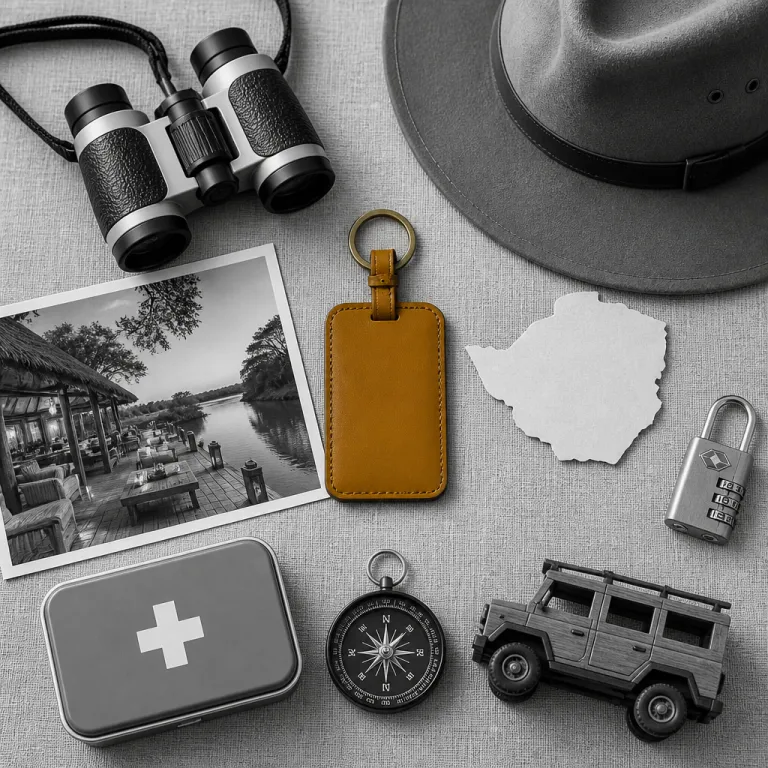
Is Zimbabwe Safe for Luxury Travellers Staying in Premium Safari Hotels?
Is Zimbabwe safe for luxury travellers choosing premium safari hotels ?
Zimbabwe naturally prompts first time visitors to ask whether it is a safe destination. The honest answer is that the country offers deeply rewarding travel for high end guests, yet it demands a thoughtful approach to security and local conditions. When you plan any Zimbabwe travel, you should exercise a high degree of caution in cities while enjoying a very different atmosphere inside private reserves and national parks.
Official travel advice from major governments currently recommends that visitors exercise increased caution, which means Zimbabwe is not a no go destination. As of July 2024, the United States advisory states plainly, "Exercise increased caution in Zimbabwe due to crime and civil unrest" (U.S. Department of State, Zimbabwe Travel Advisory, Level 2). Independent risk barometers such as the Travel Safety Index place Zimbabwe in a mid range category for personal security in their 2024 update, so your personal risk management strategy matters as much as your choice of hotel or safari lodge.
In practical terms, safer travel in Zimbabwe starts with where you stay, how you move, and when you go out. Premium hotels in Harare or Victoria Falls usually have controlled access, trained security, CCTV coverage, and established relationships with local authorities and the nearest police station. When you leave the property, arrange transfers through the hotel concierge, avoid walking alone at night, and keep valuables discreet to reduce risk in any urban area of southern Africa.
Luxury travellers often ask how Zimbabwe compares with neighbouring South Africa or other parts of southern Africa. The answer is nuanced, because crime patterns differ between each country, and Zimbabwe’s main tourist zones tend to be calmer than some large regional cities. You should still follow local laws carefully, respect police instructions, and carry copies of your passport and travel insurance details in case of any incident.
For safari focused visitors, concerns usually shift from crime to wilderness risk. Remote national parks such as Hwange or Mana Pools feel far removed from city issues, yet they introduce wildlife and medical considerations. Here, safety depends on the professionalism of your safari guide, the camp’s emergency protocols, and your own willingness to follow briefings about walking safaris, night drives, and time spent near water or bush.
When you book through a specialist luxury and premium hotel platform dedicated to travel in Zimbabwe, you gain an extra layer of screening. These curators typically vet lodges for safety standards, guide qualifications, and proximity to reliable medical evacuation services. That combination of careful selection, clear travel advice, and your own degree of caution creates a realistic and reassuring answer for anyone considering an upscale safari holiday.
Urban stays in Harare and Victoria Falls, how to stay safe in style
Harare and Victoria Falls are the main gateways for luxury travellers, so understanding their safety profile is essential. In both places, overall security depends heavily on neighbourhood, time of day, and how you handle money, phones, and cameras. Premium hotels in these cities usually sit in secure compounds with controlled access, which significantly reduces risk once you are inside the property.
Common crimes in Zimbabwe include petty theft and opportunistic pickpocketing, especially in crowded markets or bus ranks. Official guidance summarises the situation clearly, "Exercise increased caution in Zimbabwe due to crime and civil unrest" (U.S. Department of State, July 2024). That does not mean you should avoid the country, but it does mean you should avoid carrying large sums of cash, keep your passport locked in the hotel safe, and use cards or small notes for day to day purchases.
Victoria Falls town feels more relaxed than Harare, yet travellers sometimes let their guard down because the area is so focused on tourism. When you walk between your hotel and the falls entrance, stay on main streets, avoid unlit shortcuts, and consider pre arranged transfers after dark. If you ever feel uncomfortable, step into a nearby hotel or restaurant and ask staff to call a taxi or the local police station for assistance.
Luxury properties in Victoria Falls often coordinate closely with local authorities and the Zimbabwe Republic Police to monitor events such as demonstrations or power outages. Staff will usually brief you on any areas to avoid, current local laws affecting travellers, and the safest times for activities like the famous sunset cruise. Listen carefully to this local travel advice, because it reflects real time knowledge that goes beyond generalised safety reports.
Harare requires a higher degree of caution, especially in the central business district after business hours. Choose a hotel in a reputable suburb, use hotel cars or vetted taxi companies, and avoid political gatherings or protests, which can escalate quickly. If you need to visit a government office or bank, go during daylight, keep documents organised, and ask your hotel concierge to arrange a trusted driver who understands the city’s security patterns.
For honeymooners or couples combining city time with wilderness, it can be wise to minimise nights in Harare and maximise nights in safari areas or at Victoria Falls. Many premium booking platforms now design itineraries that route you quickly from the airport to your lodge, reducing urban exposure while still allowing a brief taste of city life. For romantic travellers, experiences such as star beds and fly camp nights in Zimbabwe offer an intimate alternative to traditional hotel suites, with carefully managed safety protocols in remote locations.
Safari safety in Zimbabwe’s national parks and private concessions
Once you leave the cities, safety takes on a different meaning, focused on wildlife and remoteness. Zimbabwe’s national parks, including Hwange, Mana Pools, and Matobo, are among the most rewarding safari destinations in Africa for walking safaris and photographic safaris. Luxury camps in these areas operate under strict safety standards, yet the wilderness always carries inherent risk that responsible travellers must respect.
Mana Pools National Park is famous for close encounters with elephants and wild dogs, especially on guided walking safaris along the Zambezi floodplain. Here, your wellbeing depends on staying behind your professional guide, following instructions instantly, and never approaching animals on your own, no matter how calm they appear. Camps with a strong safety culture will brief you thoroughly each day, explain where you can walk unescorted, and outline what to do if you meet wildlife around your tent at night.
In Hwange National Park, many luxury lodges are unfenced, which enhances the safari atmosphere but requires disciplined behaviour. You will usually be escorted between your room and the main area after dark, and you should never walk alone outside marked paths. Ask your lodge about their emergency radio network, nearest airstrip, and medical evacuation arrangements, because these details are central to travel safety in remote parts of southern Africa.
Zimbabwe’s national parks are generally safe from a crime perspective, because access is controlled and most people present are staff or fellow travellers. The main risks relate to wildlife, vehicle accidents on rough tracks, and health issues such as dehydration or malaria. To reduce risk, drink plenty of water, use insect repellent, wear neutral clothing, and keep arms and cameras inside the vehicle when animals are close.
Specialist birding safaris, especially during the green season, bring another dimension to safety for more niche interests. Birders often spend long hours on foot or in hides, so it is vital that guides maintain clear lines of sight and radio contact with the lodge. For an in depth perspective on seasonal wildlife patterns and how they intersect with safe guiding practices, many travellers consult resources such as this feature on birding in Zimbabwe’s green months before finalising their itinerary.
When you book through a curated luxury platform, you can usually filter properties by their safety credentials, guide training, and proximity to key attractions like Victoria Falls or Mana Pools. This helps you align your appetite for adventure with an appropriate level of structure and support. In every case, the safest safaris are those where travellers respect the bush, listen to their guides, and accept that the wilderness sets the rules, not the other way around.
Health, medical support, and travel insurance for Zimbabwe safaris
Health planning is a central part of assessing whether Zimbabwe is suitable for a luxury safari holiday. The country lies in a malaria zone, and health authorities consistently recommend prophylaxis for travellers visiting low lying areas such as Victoria Falls, Hwange, and Mana Pools. Before you travel, consult a specialist clinic at least several weeks in advance to discuss malaria tablets, routine vaccinations, and any personal medical conditions. The World Health Organization and U.S. Centers for Disease Control and Prevention both advise chemoprophylaxis and mosquito avoidance measures for much of Zimbabwe (WHO and CDC malaria guidance, accessed July 2024).
Yellow fever regulations are another point of confusion for many travellers heading to Zimbabwe from other parts of Africa. Zimbabwe itself is not a yellow fever transmission country, yet proof of vaccination may be required if you are arriving from or transiting through a yellow fever risk country. Check the latest travel advice from your home government and airline, because local laws on health documentation can change, and border officials will expect you to comply without delay.
Medical facilities in major cities such as Harare and Bulawayo are improving, but they may not match the standards of Europe or North America. In remote safari areas, clinics are basic, and serious cases usually require evacuation to South Africa or another regional hub with advanced hospitals. This reality makes comprehensive travel insurance with medical evacuation absolutely non negotiable for anyone booking premium safaris or remote national park stays.
When you choose a luxury lodge or hotel, ask specific questions about their medical protocols and partnerships. Responsible operators maintain first aid trained staff, satellite communication, and clear links to air ambulance providers, which significantly improves travel safety in the event of an emergency. They will also brief you on any health risks specific to the area, such as water quality, insect exposure, or seasonal heat.
Day to day health habits also influence whether your Zimbabwe travel feels safe and comfortable. Drink bottled or filtered water, avoid ice from unknown sources, and be cautious with street food, especially in hot weather. Pack a personal medical kit with prescription medicines, rehydration salts, and basic dressings, because local pharmacies may not stock your preferred brands or dosages.
Luxury travellers often combine Zimbabwe with other southern Africa destinations, which adds complexity to health planning and insurance coverage. If you are flying via South Africa or another regional hub, confirm that your travel insurance covers every country on your route, not just your final safari destination. For those seeking a refined city stay before or after their wilderness time, resources such as this guide to elegant urban hotels for Zimbabwe bound travellers can help you design an itinerary that balances comfort, safety, and medical access.
Working with local authorities, police, and hotel teams
Understanding how local authorities operate will help you decide whether Zimbabwe feels safe enough for the style of trip you want. The Government of Zimbabwe is responsible for maintaining order, while the national police handle day to day law enforcement and tourist related incidents. In practice, luxury hotels and safari lodges act as your primary interface with these institutions, translating local laws and procedures into clear guidance for international travellers.
On arrival, your hotel or camp should brief you on key safety points, including where the nearest police station is located and how to contact staff in an emergency. They may also explain any current issues, such as planned demonstrations, roadblocks, or temporary curfews, which could affect your movements. Respecting this local travel advice is one of the simplest ways to avoid unnecessary risk and ensure that your Zimbabwe travel remains focused on enjoyment rather than logistics.
If you ever need to interact directly with the police, stay calm, polite, and patient, and carry copies of your passport and visa. Traffic stops and document checks are common across southern Africa, and Zimbabwe is no exception, so treat them as routine rather than threatening. When in doubt, call your hotel or tour operator, who can often speak with officers in the local language and clarify any misunderstandings.
Luxury properties usually maintain strong relationships with local authorities, which can be invaluable during regional disruptions or health alerts. For example, during periods of political tension, hotels may receive early notice of planned gatherings and advise guests to avoid specific streets or districts. In safari areas, lodge managers coordinate with national park rangers to monitor wildlife movements, road conditions, and any security concerns affecting walking safaris or river activities.
Travellers sometimes worry that contacting the police will automatically escalate a situation, yet in many cases, early communication prevents problems. If you lose a passport, experience theft, or witness an incident, report it promptly with the support of your hotel’s guest relations team. This not only helps your own case, especially for insurance claims, but also contributes to broader travel safety data that benefits future visitors.
Ultimately, the safest experiences arise when travellers, hotel staff, and local authorities work together with mutual respect. By following local laws, listening to professional guidance, and maintaining a high degree of situational awareness, you help create a positive feedback loop that reinforces safe tourism in Zimbabwe. That collaborative approach allows the country to showcase its finest luxury lodges and national parks while steadily improving conditions for everyone who calls Zimbabwe home.
Planning your itinerary, routes, and daily routines with safety in mind
Thoughtful itinerary design is one of the most effective ways to decide whether Zimbabwe suits your specific journey. The safest luxury trips usually follow a clear arc, moving from an international gateway to Victoria Falls or another key hub, then on to one or two national parks before returning to a major airport. This structure limits unnecessary road travel, reduces exposure to infrastructure challenges, and maximises time in well managed safari environments.
When planning routes, consider whether to fly or drive between destinations, because each option carries different risk profiles. Scheduled or charter flights between Victoria Falls, Hwange, and Mana Pools reduce time on highways, where vehicle standards and road conditions can vary, especially after heavy rain. However, road transfers can be safe and rewarding when arranged through reputable operators who maintain their vehicles and understand local traffic patterns.
Daily routines also influence how secure your Zimbabwe travel feels on the ground. In cities, plan most errands and sightseeing during daylight, when streets are busier and services more accessible, and reserve evenings for dining within your hotel or at trusted restaurants. In safari areas, follow the rhythm of early morning and late afternoon activities, resting during the heat of the day when wildlife is less active and health risks such as dehydration are higher.
Travelling with a private guide or driver adds another layer of reassurance, especially for first time visitors to Africa. These professionals not only manage navigation and logistics but also read subtle local cues, such as when a market feels tense or a roadblock seems unofficial. Their presence allows you to focus on the experience while they quietly handle interactions with police, park staff, and other local authorities.
For multi country itineraries across southern Africa, coordinate your plans with a single specialist who understands cross border regulations and seasonal patterns. They can advise whether to route via South Africa, Botswana, or Zambia, and how each option affects your overall travel safety, health requirements, and visa formalities. This holistic view is especially valuable for families or older travellers who prefer to minimise stress and maximise comfort.
Finally, build flexibility into your schedule so you can adjust plans if conditions change, whether due to weather, health alerts, or local events. A well designed luxury itinerary will include contingency options, such as alternative activities in Victoria Falls if the river level affects certain excursions, or extra nights at a national park lodge if road travel becomes temporarily inadvisable. With this level of planning, the question of safety becomes far more personal, grounded in your own risk tolerance and the quality of the partners you choose.
Understanding risk, perception, and the reality of luxury travel in Zimbabwe
Perceptions of risk often lag behind reality, which is why safety in Zimbabwe generates such varied opinions. News headlines tend to focus on political demonstrations or economic challenges, while travellers returning from luxury safaris usually talk about warm hospitality, exceptional guiding, and quiet nights under the stars. Both perspectives contain truth, and a balanced view helps you make informed decisions about your own trip.
Current travel safety assessments place Zimbabwe in a middle band, where travellers should exercise high levels of awareness without avoiding the country altogether. The Travel Safety Index, for example, in its 2024 report assigns a moderate crime safety rating, reflecting concerns about petty theft and occasional unrest rather than systematic targeting of tourists (Travel Safety Index, 2024). Government advisories echo this nuance, urging visitors to exercise high levels of caution, avoid political gatherings, and stay informed about local news throughout their stay.
For luxury travellers, the environment inside premium hotels and safari lodges often feels very different from the broader national picture. These properties invest heavily in security, staff training, and infrastructure, creating controlled spaces where guests can relax while still engaging authentically with Zimbabwean culture and landscapes. The question then shifts from whether Zimbabwe is safe in absolute terms to whether your chosen operators manage risk responsibly and transparently.
It is also helpful to compare Zimbabwe with other destinations in Africa that attract similar travellers. Many guests who feel comfortable in parts of South Africa, Kenya, or Tanzania find that Zimbabwe offers comparable or even higher levels of personal attention, especially in smaller safari camps. The key difference lies in infrastructure, where power cuts and water rationing remain more common, so choosing properties with robust backup systems is essential.
Ultimately, every journey involves some degree of risk, whether you are crossing a city street or tracking lions on foot in a national park. What matters is how consciously you approach those risks, how carefully you select partners, and how willing you are to adapt behaviour to local conditions. When you combine realistic expectations with high quality hotels, experienced guides, and comprehensive travel insurance, the balance often tips decisively in favour of rewarding, safe, and memorable Zimbabwe travel.
For travellers who value both comfort and authenticity, Zimbabwe offers a compelling blend of world class safaris, iconic sights such as Victoria Falls, and genuine cultural encounters. By engaging with trusted advisors, respecting local laws, and maintaining a thoughtful daily routine, you can approach the country with confidence grounded in preparation rather than assumption. That mindset allows you to appreciate Zimbabwe’s strengths while navigating its challenges with grace and awareness.
Key safety and travel statistics for Zimbabwe
- As of July 2024, the United States assigns Zimbabwe a Level 2 "Exercise increased caution" advisory, indicating that travellers should be more alert than in low risk destinations but that tourism continues under normal conditions (U.S. Department of State, Zimbabwe Travel Advisory).
- The Travel Safety Index gives Zimbabwe a score of 5.6 on its overall safety scale in its 2024 edition, placing the country in a mid range category where preparation and local guidance significantly improve visitor experiences (Travel Safety Index, 2024).
- The same index reports a crime safety rating of 5 out of 10, reflecting concerns about petty theft and occasional violent crime, particularly in urban areas rather than in national parks or safari lodges.
- Health authorities highlight malaria as a key risk in many low altitude regions of Zimbabwe, so prophylaxis and mosquito protection are strongly recommended for travellers visiting Victoria Falls, Hwange, or Mana Pools (WHO and CDC malaria guidance, accessed July 2024).
- Infrastructure reports note recurring power outages and water rationing in some urban areas, which is why many luxury hotels and lodges invest in generators and independent water systems to maintain guest comfort and safety.
FAQ about safety and luxury safari travel in Zimbabwe
Is Zimbabwe safe for tourists staying in luxury hotels and safari lodges ?
Most tourists who stay in reputable luxury hotels and safari lodges experience Zimbabwe as safe and welcoming, especially in Victoria Falls and major national parks. Official guidance advises visitors to exercise increased caution due to crime and civil unrest, particularly in some urban areas. Choosing vetted properties, using hotel transfers, and following local advice significantly reduces risk.
What are the main safety risks for travellers in Zimbabwe ?
The primary risks include petty theft in cities, occasional political demonstrations that can turn confrontational, and health issues such as malaria in low lying regions. Infrastructure challenges like power cuts and water shortages can also affect comfort, though luxury properties usually have strong backup systems. In safari areas, the main risks relate to wildlife and remoteness rather than crime.
How can I prepare for health and medical issues on a Zimbabwe safari ?
Consult a travel health clinic before departure to discuss malaria prophylaxis, routine vaccinations, and any personal medical needs. Purchase comprehensive travel insurance that includes medical evacuation, because serious cases are often treated in South Africa or another regional hub. On the ground, use insect repellent, drink safe water, and follow lodge briefings about local health considerations.
Are Zimbabwe’s national parks safe for walking safaris and remote stays ?
National parks such as Hwange and Mana Pools are considered safe for walking safaris when activities are led by licensed professional guides who follow strict protocols. Camps brief guests thoroughly on how to behave around wildlife and how to move around the property, especially after dark. Travellers should always follow instructions immediately and never approach animals independently.
How reliable are local authorities and police support for tourists ?
The Government of Zimbabwe and the national police are responsible for maintaining order, and they do respond to incidents involving tourists, especially in key destinations. Luxury hotels and lodges usually maintain close relationships with local authorities and the nearest police station, helping guests navigate any formalities. Reporting incidents promptly with hotel assistance improves outcomes and supports broader travel safety monitoring.