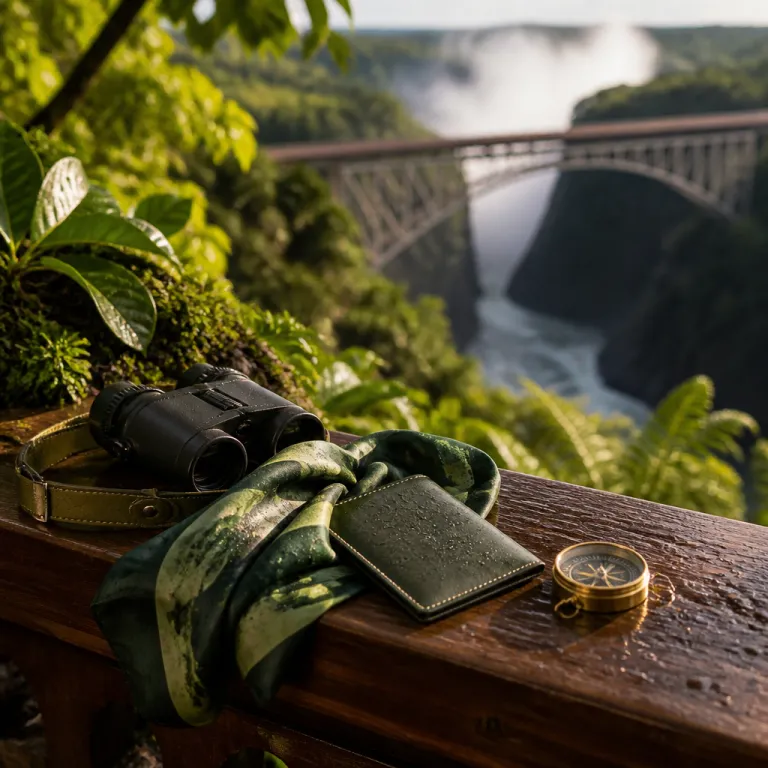
Why Victoria Falls Bridge in Zimbabwe belongs on a luxury itinerary
Victoria Falls Bridge in Zimbabwe sits between two countries yet feels like its own world. The steel arch stretches across the Zambezi River, framing Victoria Falls and the surrounding gorge in a way that no other structure in Africa quite matches. From a luxury hotel in Victoria Falls town, you can reach the bridge within minutes, then step into a panorama where mist, water and iron meet.
For high end travellers, the bridge is not only a crossing between Zimbabwe and Zambia but also a curated stage for heritage, engineering and adventure. The parabolic arch, attributed to consulting engineers Sir Douglas Fox & Partners and prefabricated by Cleveland Bridge & Engineering Company in England, spans 156.5 metres above the Zambezi River with a height of about 128 metres above the water, which creates a dramatic aerial view from both sides of the river border. Construction began in 1904 and the bridge officially opened in 1905, so when you stand on the deck, the roar of Victoria Falls rises from the Batoka Gorge while the spray paints soft rainbows over the bridge and the surrounding cliffs.
Luxury hotels on the Zimbabwe side understand how central this experience is and often build entire days around the bridge. Concierges arrange private transfers timed to the soft light that flatters photographs and cinematic-style images, or to the golden hour when guests capture pictures worthy of a personal coffee-table album. Whether you prefer a quiet walk across the span or a more active bungee experience, the right hotel will help you book curated access that respects both comfort and heritage.
Heritage, Cecil Rhodes, and the Cape to Cairo vision
Victoria Falls Bridge did not appear by chance; it was born from Cecil Rhodes’s ambitious Cape to Cairo railway dream. Although Rhodes died in 1902 and never saw the completed structure, his instruction was clear: he wanted the bridge close enough to the Victoria Falls spray that passing trains would be drenched in water from the Zambezi River. Today, when you stay in a premium hotel on either the Zimbabwe or Zambia side, your guided visit often includes this story, connecting your modern journey to a wider narrative of Africa’s rail age.
The bridge construction took about fourteen months, with steel components shipped from England and assembled over the gorge using anchored cantilevers and a cableway, according to early twentieth-century engineering records and company archives from Cleveland Bridge. This engineering feat turned a remote river border between Zambia and Zimbabwe into a strategic gateway for trade and travel across southern Africa, long before luxury tourism arrived. When you walk across the falls bridge now, you are literally tracing the same line that early trains followed between the two countries, with the Zambezi River swirling 128 metres below.
Travellers interested in heritage often pair a stay at Victoria Falls with deeper cultural routes through the country. From your hotel concierge, you can request tailored excursions that link the bridge and Mosi-oa-Tunya area with archaeological journeys such as the Great Zimbabwe to Matobo archaeological route, creating a coherent story of Zimbabwe’s past. This approach suits guests who want more than just pictures or free photos; they want context that turns documentary-style images into lived experience and transforms simple bridge views into meaningful memories, while also acknowledging how colonial infrastructure shaped the landscape you are now visiting for leisure.
Planning your stay: choosing luxury hotels around the bridge
Choosing where to stay near Victoria Falls Bridge in Zimbabwe shapes how you experience both the falls and the gorge. On the Zimbabwe side, several luxury properties overlook the Zambezi River or sit within walking distance of the viewpoints, which makes sunrise and sunset visits effortless. Many of these hotels offer private decks where you can enjoy an aerial-view perspective over the river channels and the distant spray of the falls while sipping a drink.
Guests who prefer a colonial heritage atmosphere often gravitate toward landmark properties that frame the bridge and Victoria Falls as part of their identity. When evaluating options, read in-depth reviews that go beyond stock pictures and promotional photography, and look for details about service, guiding quality and access to the river-border viewpoints. For a nuanced perspective on how one historic property still shapes the town’s character, consult analyses such as this examination of a classic Victoria Falls hotel and its colonial legacy, then decide whether that style aligns with your expectations.
On the Zambia side, luxury lodges often sit upstream along the Zambezi River, offering quieter stretches and boat safaris that complement your bridge visit. Transfers between Zimbabwe and Zambia hotels and the bridge viewpoints are usually arranged by the properties, with staff guiding you through border formalities so that crossing between the two countries feels seamless. When you book, ask whether your stay includes guided walks on the falls bridge, curated bungee viewing or participation, and assistance with capturing professional-level photos or gallery-quality images for personal use.
Practicalities: visas, border crossing, and safety for hotel guests
Because Victoria Falls Bridge physically links Zimbabwe and Zambia, border procedures matter as much as your room category. To cross between the two sides of the river border, you must carry a valid passport and check current visa requirements for both Zimbabwe and Zambia before you travel. Many luxury hotels maintain up-to-date information and can advise whether a KAZA Univisa, which is typically valid for multiple entries between the two countries over a set period, or separate visas suit your itinerary best; for the latest rules and fees, they will usually refer you to official immigration or embassy guidance.
When you leave your hotel to visit the bridge, expect customs checks at both ends, even if you are only walking across for the view. Staff from high end properties on the Zimbabwe side often accompany guests, smoothing formalities and helping you manage any fees related to bridge access, bungee jumping or guided tours. This support is especially valuable if you plan to move between Zimbabwe and Zambia in a single day, combining a walk across the falls bridge with lunch on the Zambia side and sunset cocktails back at your Zimbabwe hotel.
Safety standards on the bridge are taken seriously, particularly for activities such as bungee jumping above the Batoka Gorge and the fast moving Zambezi River. Operators work under strict guidelines, while hotel concierges typically recommend only vetted companies and can help you book slots at quieter times, which improves both safety and the quality of your photographs. If you prefer a calmer experience, ask your hotel to arrange a private guide who can help you find less crowded vantage points for complimentary photos and travel-album images that still capture the drama of water, rock and steel without the rush.
Experiencing the bridge: views, bungee, and photography
Standing on Victoria Falls Bridge in Zimbabwe, you feel the structure vibrate gently as vehicles cross between Zambia and Zimbabwe. To your left, the main curtain of Victoria Falls plunges into the Batoka Gorge, sending up clouds of water that drift over the bridge and cool your face. To your right, the Zambezi River snakes away from Mosi-oa-Tunya National Park, carving deeper into the gorge as it flows downstream.
For adventurous guests, bungee jumping from the bridge offers one of the most dramatic free fall experiences in Africa. You leap from the centre of the arch, dropping toward the Zambezi River with the cliffs of the gorge racing past, then rebound into a sweeping aerial view of the river border and the twin towns on the plateau. Luxury hotels can arrange premium packages that include video, high resolution photography and broadcast-quality footage, turning a few seconds of adrenaline into a lifetime of images for your personal archive.
Photography enthusiasts will find the bridge a rich subject from dawn to dusk. Early morning light often produces soft, editorial-style tones that work beautifully for stock pictures or bridge-focused compositions, while late afternoon brings strong contrasts that highlight the steelwork and the mist from Victoria Falls. Many guests use the bridge as a base to capture both close up water textures and wide angle shots that show the full span of the falls, the depth of the Batoka Gorge and the meeting of Zimbabwe and Zambia landscapes in a single frame.
How luxury hotels curate heritage and imagery around the bridge
High end hotels around Victoria Falls Bridge in Zimbabwe increasingly treat the structure as more than a viewpoint; they weave it into curated narratives. Some properties employ in-house historians who explain how Cecil Rhodes’s Cape to Cairo vision led to the commissioning of G. A. Hobson, the involvement of Sir Douglas Fox and Partners, and the backing of the British South Africa Company. During private talks or fireside evenings, you may hear key facts about the bridge’s design, length and completion date, placing your stay within a precise historical timeline and encouraging reflection on the colonial ambitions that shaped this crossing.
Visual storytelling is equally important, especially for guests who value strong images as part of their travel memories. Many luxury properties curate small exhibitions of historical photographs and early construction shots that show the bridge rising above the Zambezi River, alongside modern fine-art works by contemporary photographers. These displays often highlight how the perception of the river border and the gorge has shifted from imperial infrastructure to shared natural heritage between Zimbabwe and Zambia.
To extend this experience beyond the hotel walls, some operators partner with specialist agencies such as Victoria Falls safari stays for discerning travellers, which focus on crafting itineraries that balance wildlife, culture and engineering heritage. Through such collaborations, guests can book private sessions on the falls bridge at quieter times, work with professional photographers to capture licence-free-style images for personal use, and enjoy guided walks that interpret both the water dynamics of the Zambezi River and the geology of the Batoka Gorge. The result is a stay where every view, from your suite balcony to the centre of the bridge, feels intentional and deeply connected to place.
Key figures about Victoria Falls Bridge and its setting
- The total length of Victoria Falls Bridge is 198 metres, with a main arch span of 156.5 metres, making it one of the most recognisable steel arch crossings in southern Africa.
- The deck stands about 128 metres above the Zambezi River, creating enough height for bungee operations and offering guests a dramatic aerial view into the Batoka Gorge from the central walkway.
- Construction took roughly fourteen months from the start of work in 1904 to the official opening in 1905, a short duration considering that all steelwork was prefabricated in England and then transported to the remote river-border site by rail.
- The bridge forms a critical rail and road link between Zimbabwe and Zambia, supporting regional trade and tourism flows that sustain hotels, lodges and activity operators on both sides of Victoria Falls.
- The structure sits just downstream from the main cataract of Victoria Falls, close enough that seasonal variations in water volume and spray intensity directly influence visibility, photography conditions and guest experiences on the bridge.
FAQ about Victoria Falls Bridge in Zimbabwe for luxury travellers
How far is Victoria Falls Bridge from most luxury hotels in Zimbabwe ?
Most luxury hotels in Victoria Falls town lie within about 1 to 3 kilometres of the bridge, which usually translates to a drive of less than ten minutes, and some properties offer scheduled shuttles or private transfers directly to the entrance.
Can I cross between Zimbabwe and Zambia on foot using the bridge ?
Yes, you can walk across Victoria Falls Bridge between Zimbabwe and Zambia, but you must carry a valid passport, comply with customs checks at both ends and hold the appropriate visa or KAZA Univisa if you plan to enter the other country beyond the immediate bridge area.
Is bungee jumping from Victoria Falls Bridge suitable for first time jumpers ?
Bungee jumping from the bridge is operated by experienced providers who brief guests thoroughly and use modern safety equipment, so many first time jumpers participate, but you should discuss any medical concerns with your hotel and the operator before you book.
When is the best time of day to photograph the bridge and Victoria Falls ?
Early morning and late afternoon usually offer the most flattering light for photos, with softer tones and better chances of rainbows in the mist, while midday can be harsh but sometimes works well for capturing the full power of the water from viewpoints near the bridge.
Do luxury hotels offer guided heritage tours focused on the bridge ?
Several high end hotels on the Zimbabwe side provide guided heritage tours that include the history of Cecil Rhodes’s railway vision, the engineering story of G. A. Hobson’s design and curated stops on and around the bridge for both scenic views and photography.