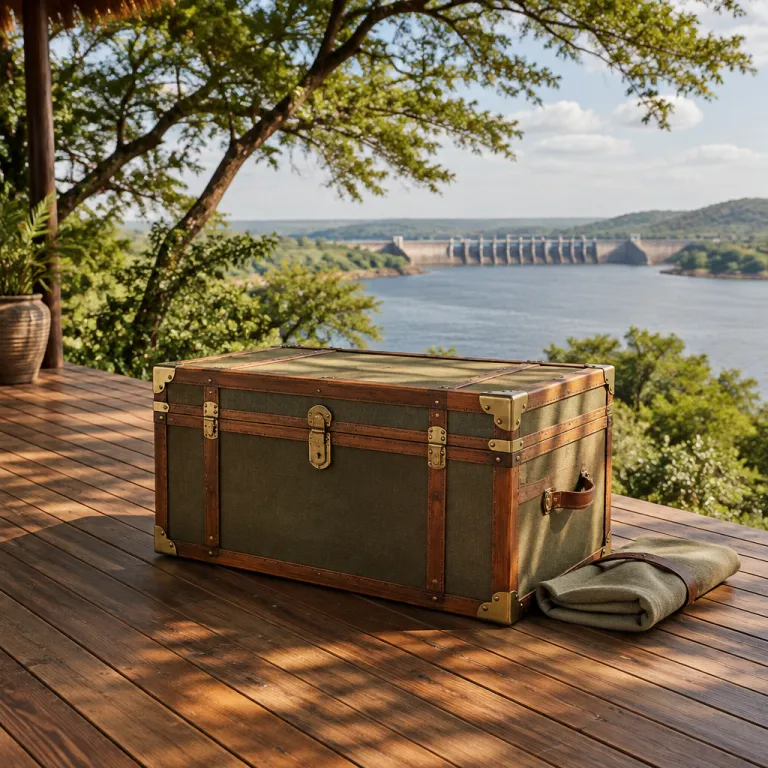
Kariba Dam in Zimbabwe as a heritage icon for luxury travellers
Kariba Dam in Zimbabwe is far more than an engineering landmark. This immense double-curvature concrete arch dam on the Zambezi River between Zambia and Zimbabwe reshaped southern Africa and now anchors a refined circuit of lakeside lodges. For travellers booking premium hotels near Kariba, the setting combines hydropower history, serene water views, and easy access to wildlife.
The original construction of the dam wall created Lake Kariba, one of the world’s largest artificial reservoirs by volume. That reservoir flooded the middle Zambezi valley between the former Northern Rhodesia and Southern Rhodesia, driving a vast development project that still defines the region’s energy and tourism economy. Today, luxury properties around the town of Kariba frame this story, offering guided visits that explain how the dam, the lake, and the surrounding communities evolved.
Guests often arrive from the south via Harare or from the north via Zambia, then transfer by road, air, or boat to their chosen hotel. Many high-end lodges sit on peninsulas or islands in Lake Kariba, where the calm water and distant dam wall create a dramatic horizon. From these bases, you can explore both the heritage of Kariba Dam and the broader landscapes of southern Africa in considerable comfort.
From Rhodesia to modern Zimbabwe and Zambia: the story behind the lake
Understanding the heritage of Kariba means tracing the story from Northern Rhodesia and Southern Rhodesia to present-day Zambia and Zimbabwe. When construction of the original arch dam began in the 1950s, the project was framed as a symbol of modern power and progress for the Federation of Rhodesia and Nyasaland. The double-curvature design of the dam wall was chosen to withstand immense water pressure from the Zambezi River while maximising structural efficiency, a feature still highlighted in engineering references from the Zambezi River Authority (ZRA, 2022 fact sheet).
The filling of the reservoir triggered Operation Noah, a dramatic wildlife rescue that relocated thousands of animals from the rising lake. Contemporary accounts from game rangers and later summaries by conservation bodies estimate that more than 6,000 animals were moved to higher ground, including antelope, elephants, and predators (Operation Noah retrospectives, c. 1960–1970). This operation still shapes how guides interpret the area, especially when you cruise near islands that once were hilltops above the river. Many luxury hotels integrate Operation Noah into their storytelling, helping guests appreciate how the dam, the lake, and the surrounding parks became a shared heritage for travellers exploring both Zimbabwe and Zambia.
Today, the river authority jointly managed by Zimbabwe and Zambia oversees water releases, hydropower generation, and dam rehabilitation work. High-end lodges often invite engineers or historians to brief guests on the rehabilitation project that aims to stabilise the plunge pool and secure long-term energy production, drawing on technical updates from the ZRA (Kariba Dam Rehabilitation Project brief, 2014–2023) and partner agencies. For travellers interested in broader heritage circuits, it is easy to combine Kariba with cultural day trips to Great Zimbabwe or the Matobo Hills, especially when using curated itineraries similar in spirit to the cultural day trips offered from luxury lodges elsewhere in the country.
How hydropower and dam rehabilitation shape the luxury hotel experience
Kariba South Power Station on the Zimbabwean side and Kariba North Bank Power Station in Zambia are central to the region’s energy security. According to the Zimbabwe Power Company and ZRA data, Kariba South has an installed capacity of about 1,050 megawatts after its recent extension (ZPC generation statistics, 2018), while the combined capacity of the Kariba complex for both countries is approximately 2,130 megawatts (ZRA system overview, 2021). Together, these hydropower facilities supply a significant share of electricity to Zimbabwe and Zambia, which means every light in your lakeside suite is indirectly linked to the Zambezi River.
Ongoing dam rehabilitation work, documented in ZRA project reports, focuses on reshaping and deepening the plunge pool below the arch dam and strengthening the spillway infrastructure for future floods (Kariba Dam Rehabilitation Project, ZRA update 2020). This rehabilitation programme has become a case study in large dam management in southern Africa, and some lodges arrange talks with specialists who explain why the plunge pool must be stabilised to protect downstream communities and safeguard power generation. From a traveller’s perspective, these insights turn a scenic viewpoint into a deeper engagement with water management, energy policy, and regional development.
Luxury properties also highlight how the river authority balances power generation with ecological flows along the lower Zambezi River. Guests can pair a technical briefing with a sunset cruise, watching water released from Kariba Dam while sipping a drink on Lake Kariba. If your itinerary includes Victoria Falls, you can extend this theme of engineering and heritage by adding an elegant excursion to the Victoria Falls Bridge, which complements the Kariba experience and illustrates another iconic piece of regional infrastructure.
Choosing luxury hotels around Lake Kariba for heritage and relaxation
When selecting a luxury hotel around Lake Kariba, start by deciding whether you prefer proximity to the dam wall or a more remote stretch of shoreline. Properties near the town of Kariba offer easier access to guided tours of the dam, Kariba South Power Station viewpoints, and local museums. More secluded lodges further along the lake, such as those in the Bumi Hills or Matusadona National Park area, emphasise wildlife, quiet water, and expansive views across the reservoir towards Zambia.
Many high-end hotels feature infinity pools that seem to merge with the lake, while some suites include private plunge pools for secluded relaxation. These pools are not just decorative; they frame the story of how a single dam transformed a river into a vast inland sea. As you swim or sit beside the water, guides can point out how lake levels reflect seasonal flows on the Zambezi River and operational decisions by the river authority, sometimes quoting recent lake-level bulletins shared with tourism operators.
For travellers who value cultural context, look for properties that employ local historians or partner with community-run interpretive centres in Kariba town. Such hotels often curate excursions that explain the shift from Rhodesia-era construction to modern Zimbabwe–Zambia cooperation, including how communities adapted to the reservoir and resettlement schemes. If you are travelling with children, consider pairing your stay with practical planning resources such as a Zimbabwe food guide for parents, which helps align luxury dining with family needs and local flavours.
Wildlife, water activities, and the legacy of Operation Noah
Lake Kariba’s wildlife viewing is inseparable from the history of Operation Noah and the original flooding of the valley. As the reservoir rose behind the dam, rangers and volunteers moved animals from the future lakebed to safer ground, creating new populations on islands and along the shore. Today, luxury lodges offer boat safaris where you can see elephants, hippos, and crocodiles framed against the calm water that now covers former riverine forests, with guides often pointing out bays and inlets that feature in classic Operation Noah photographs.
High-end hotels typically provide a mix of game drives, walking safaris, and water-based activities such as sunset cruises and catch-and-release fishing. These experiences highlight how the Zambezi River, once a narrower channel between steep banks, became a broad inland sea that supports both tourism and hydropower. Guides often explain how the reservoir moderates flows downstream, influencing ecosystems in southern Africa and shaping livelihoods far beyond the immediate vicinity of Kariba Dam.
Many properties also offer educational talks on how dams worldwide affect rivers, with Kariba serving as a flagship example. You might learn how the double-curvature arch dam design concentrates forces into the gorge walls, or how the current rehabilitation programme protects both energy supply and downstream communities, drawing on case studies shared by visiting engineers and ZRA briefing notes (public updates, 2019–2022). Such context enriches every moment on the water, whether you are relaxing beside a hotel pool or watching the sun set over the distant dam wall.
Planning a heritage focused Kariba itinerary within southern Africa
For travellers booking luxury hotels, Kariba works best as part of a wider southern Africa itinerary that links water, heritage, and wildlife. One classic route connects Harare to the town of Kariba, then continues by air or road to Mana Pools, Victoria Falls, and onward into Zambia. This circuit allows you to experience the Zambezi River in multiple forms, from calm reservoir to free-flowing channels and dramatic gorges.
When planning, consider how many nights you want beside Lake Kariba versus other destinations in Zimbabwe and Zambia. Two or three nights near the dam wall give enough time for a guided tour of Kariba Dam, a visit to Kariba South Power Station viewpoints, and a sunset cruise on the reservoir. Longer stays in more remote lodges suit travellers who want deeper immersion in lake-based safaris, water activities, and quiet time beside private plunge pools.
Whichever balance you choose, ensure your hotel booking platform provides clear information on transfer logistics, guided heritage excursions, and any access restrictions related to ongoing rehabilitation work. Some viewpoints near the plunge pool or dam wall may close temporarily during specific phases of dam rehabilitation, and reputable operators will update guests promptly. With thoughtful planning, you can experience both the engineering drama of Kariba Dam and the softer pleasures of lakeside luxury in one coherent journey.
Key statistics about Kariba Dam and Lake Kariba
- Lake Kariba stretches roughly 280 kilometres in length and up to about 40 kilometres in width at its widest point, making it one of the largest artificial lakes in the world by volume according to regional hydrology studies and Zambezi River Authority summaries (ZRA lake profile, 2021).
- The installed capacity of the Kariba South Power Station on the Zimbabwean side is about 1,050 megawatts after recent expansion, providing a major share of Zimbabwe’s grid electricity as reported by the Zimbabwe Power Company and ZRA (ZPC Kariba South statistics, 2018).
- The combined hydropower capacity of the Kariba complex for Zimbabwe and Zambia is approximately 2,130 megawatts, which makes it one of the most significant energy assets in southern Africa according to the Zambezi River Authority (ZRA generation overview, 2021).
- The dam wall stands about 128 metres high and extends for roughly 579 metres across the gorge, figures widely cited in engineering references on large arch dams and in official ZRA fact sheets (ZRA, 2022).
- Operation Noah is estimated to have relocated more than 6,000 animals from the rising reservoir, a figure referenced in historical accounts of wildlife conservation in the Kariba region and in later conservation retrospectives (Operation Noah conservation reports, c. 1960–1970).
FAQ about luxury stays around Kariba Dam in Zimbabwe
Is it possible to visit Kariba Dam from a luxury hotel?
Yes, many luxury hotels and lodges around Lake Kariba offer guided excursions to viewpoints overlooking the dam wall and Kariba South facilities. Access to the actual structure is controlled for security reasons, but curated tours usually include safe vantage points and expert commentary on hydropower and dam rehabilitation, often informed by public briefings from the Zambezi River Authority (ZRA visitor information, 2022).
How many nights should I spend at Lake Kariba on a premium itinerary?
Travellers focused on heritage and engineering typically spend two or three nights near the town of Kariba to allow time for dam-related excursions and a sunset cruise. Those seeking a slower pace with more wildlife and water activities often extend to four or five nights in more remote lakeside lodges.
Is Lake Kariba suitable for families staying in luxury hotels?
Lake Kariba can work very well for families, especially in lodges that offer flexible meal options, child-friendly pools, and shorter boat cruises. Parents should confirm age limits for activities such as walking safaris and use resources like specialised Zimbabwe food guides to plan around children’s preferences.
Can I combine Kariba with Victoria Falls and other heritage sites?
Yes, Kariba fits naturally into itineraries that include Victoria Falls, Great Zimbabwe, and the Matobo Hills, creating a strong heritage and landscape theme. Many premium operators arrange seamless transfers by air or road between these destinations, allowing you to experience different sections of the Zambezi River and Zimbabwe’s cultural history.
What is the best time of year to visit Lake Kariba for water activities?
The dry-season months generally offer the clearest skies, more predictable boat conditions, and concentrated wildlife along the lake shore. Water levels in the reservoir can vary with rainfall and hydropower operations, so travellers should check recent updates from their hotel or tour operator when planning specific activities.
References
- Zambezi River Authority (ZRA) fact sheets and Kariba Dam Rehabilitation Project updates (2014–2023)
- Zimbabwe Power Company (ZPC) generation statistics for Kariba South Power Station (2018)
- Southern African Power Pool (SAPP) regional generation and capacity reports (2020–2022)