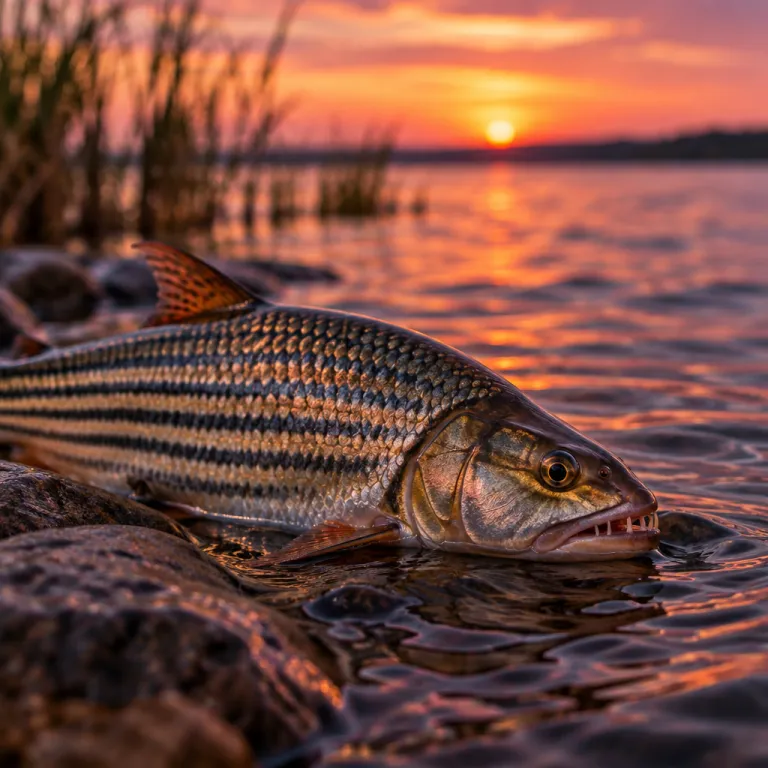
Why tiger fishing on the Zambezi and Kariba feels like a water safari
Tiger fishing in Zimbabwe on the Zambezi and Kariba is not a sideshow to a safari, it is a parallel wilderness narrative written in current, spray and silver scales. On the zambezi river the fishing day starts with mist lifting off the water while hippos grunt on one side and a fish eagle calls from the other, and the first aggressive strike from a zambezi tiger jolts you awake more sharply than any espresso. The tiger fish itself, with its outsized teeth and speed, turns every catch into a brief, electrifying contest that will leave even seasoned anglers quietly impressed.
On this stretch of river the fishing experience is as much about reading the water as it is about the fish, because channels, eddies and sandbanks shape where the tigerfish hold and how they hunt. Guides from a well run river lodge or zambezi lodge know which side of a channel produces better strikes in low water, which submerged tree might hold a solitary giant tiger, and how to position the boat so you can cast without spooking the fish. For business travellers extending a stay in Zimbabwe after meetings in Harare or near Victoria Falls, this level of guiding turns a half day on the zambezi into a focused, almost meditative break from screen time.
Think of it as a water based safari where the game drive vehicle is replaced by a boat and the big sighting is not a lion but a powerful tiger fish cartwheeling across the surface. You still move quietly along the river, you still scan both the upper zambezi banks and the water for life, and you still rely on a guide who reads wind, current and wildlife behaviour. The difference is that your hands are on the rod, not just the camera, and the catch and release ethic that underpins responsible tiger fishing keeps the zambezi river’s predator fishery intact for the next guest.
Two water worlds: flowing Zambezi versus vast Lake Kariba
The zambezi above and below the dam wall offers a very different fishing experience to the inland sea of lake kariba, and choosing between them shapes your entire trip. On the upper zambezi and lower zambezi you work the flowing river, casting lures or trying fly fishing along reed lined channels where the current accelerates and bait fish funnel into ambush points, while crocodiles slide off sandbanks and elephants cross in the distance. On lake kariba the water is broad, open and moody, with drowned forests and long shorelines where tigerfish hunt around structure and the light at dusk turns the lake into polished metal.
Many travellers pair a few nights at a river camp on the zambezi with time on a houseboat that functions like a floating lodge on kariba, which creates a rhythm that alternates between river lodge intimacy and lake based space. On the river you feel close to the banks, watching a national park shoreline for game while you cast, and the boat can tuck into quiet inlets where the only sound is your fly line unrolling and the occasional splash of a hunting tiger. Out on lake kariba you may anchor near an island or along a remote side bay, using a tender boat to reach prime fishing spots at first light and returning to the main vessel for long, unhurried lunches on deck.
For guests who enjoy the adrenaline layer of African travel, tiger fishing on these waters sits comfortably alongside more overt thrills such as gorge swings and other high impact activities around Victoria Falls, which you can explore in more depth through this guide to Zimbabwe’s adrenaline experiences that sit on top of a safari. The key is to understand that the zambezi river is about current, structure and reading subtle changes in flow, while lake kariba is about tracking bait movements, wind and light across a vast water body. Both settings reward patience, both can produce exceptional tiger fish, and both feel far removed from the crowded game drive circuits that define many first time trips to Zimbabwe.
Seasonality, conditions and how to choose the right lodge or camp
On both the zambezi and kariba, tiger fishing in Zimbabwe is strongly shaped by water levels, clarity and temperature rather than by a simple calendar promise. Anglers often favour the lower water months when the zambezi river runs clearer and bait fish are more concentrated, which typically makes the tigerfish more aggressive and your chances of a memorable catch significantly higher. Lake kariba follows similar patterns, with many guides preferring stable conditions when the water is warm, the wind predictable and the fish holding around consistent structure.
When you choose a lodge, river camp or safari camp for a tiger fishing focused stay, look beyond the brochure images and ask very specific questions about guiding, boats and ethics. A serious zambezi lodge or river lodge will employ full time fishing guides who understand both conventional and fly fishing techniques, maintain engines and tackle meticulously, and structure the day around the best light and water rather than rigid meal times. For business leisure travellers who may only have two or three days on the water, this level of professionalism can be the difference between a generic boat ride and a genuinely technical fishing experience that respects your time and expectations.
It is also worth considering how a property integrates water based activities with land based safari, because some camps sit close enough to a national park boundary or private concession to offer both. A well balanced itinerary might include morning tiger fishing sessions on the zambezi river followed by an afternoon game drive or walking safari, or a stay on lake kariba combined with a night or two at a nearby safari camp inland. For more context on how Zimbabwe’s top properties design active itineraries for discerning guests, you can read this overview of adventure activities tailored for luxury travellers in Zimbabwe, then apply the same questions to any water focused lodge you are considering.
From Chobe to Kariba: where water, wildlife and luxury overlap
While the focus here is tiger fishing in Zimbabwe, the broader zambezi system links several iconic stretches of water that many travellers combine in a single itinerary. Upstream, the chobe river forms a wildlife rich boundary where herds of elephant and buffalo come to drink, and some guests choose to start their journey there before moving down to the upper zambezi near Victoria Falls for their first serious fishing sessions. Further along, the lower zambezi opposite Zimbabwe offers another perspective on the same river, with channels, islands and banks that feel wilder and more remote.
Within Zimbabwe itself, lake kariba remains the primary still water destination for tiger fish, with the dam wall marking the dramatic point where the zambezi was harnessed and the lake created. Many luxury travellers opt for a combination of a land based lodge on the kariba side and a few nights on a houseboat, effectively turning the lake into a private, mobile safari zone where you wake up each day to a new island view and a fresh stretch of water to work. On quiet afternoons, when the fishing slows, you can shift focus to birding, photography or simply watching the shoreline of a nearby national park for elephant, antelope and the occasional predator moving down to drink.
Some itineraries also weave in time on baines river or around sekoma island within the broader zambezi basin, which adds variety in both scenery and fishing technique while keeping the focus firmly on tiger fishing. The common thread is that each river camp or safari camp along this system treats the water as a primary stage, not a backdrop, and builds guiding teams, boats and service standards to match. For travellers used to high touch hospitality, the best properties deliver a level of comfort that feels entirely consistent with top tier land based safari while still keeping you close to the elements and the unpredictable energy of a hunting zambezi tiger.
Responsible angling, on board life and how tiger fishing fits a luxury stay
Ethical practice sits at the heart of serious tiger fishing on the zambezi and kariba, and any lodge worth your time will emphasise catch and release from the outset. Guides handle tigerfish with wet hands, use appropriate tackle to minimise fight time and stress, and keep the fish in the water as much as possible before a quick photograph and release back into the river or lake. This approach protects a fragile predator population, maintains the quality of the fishing experience for future guests and aligns with the conservation ethos that underpins Zimbabwe’s best safari operations.
Life on the water itself can be as indulgent or as stripped back as you prefer, and this is where a thoughtful booking choice really shows. Some zambezi lodge operations run larger boats with shaded decks, comfortable seating and on board fridges stocked with cold drinks, while more technical river lodge setups may favour smaller, faster craft that allow precise positioning along structure and current seams. On lake kariba a well appointed houseboat functions almost like a private villa, with cabins, attentive crew and a tender boat for serious fishing, and you can elevate the experience further by arranging curated meals such as these private chef evenings in the bush that turn dinner into the headline act.
For business leisure travellers and couples, this blend of active days and considered hospitality creates a rhythm that feels restorative rather than exhausting. You might spend the morning working a productive side channel for zambezi tiger, break for a long lunch on deck, then head out again for a final session as the light softens over lake kariba and the shoreline of a nearby national park glows. Whether your base is a refined safari camp, a river camp near royal zambezi or a more understated lodge close to Victoria Falls, the core appeal remains the same, because tiger fishing Zimbabwe zambezi kariba itineraries offer a water based safari that rivals any game drive for intensity, immersion and quietly luxurious detail.
FAQ
What makes tiger fishing on the Zambezi and Kariba different from other destinations ?
The zambezi river and lake kariba combine prolific tigerfish populations with a classic African safari setting, so you are casting for tiger fish while watching elephants, hippos and birdlife along the banks. The mix of flowing river sections, broad lake water and nearby national park shorelines creates varied habitats and techniques in a single trip. Few other destinations offer this blend of serious fishing, high level guiding and luxury lodge or camp accommodation on the same scale.
Do I need to be an experienced angler to enjoy tiger fishing in Zimbabwe ?
You do not need extensive fishing experience, because good zambezi lodge and river lodge guides can coach beginners through basic techniques quickly. Most operations provide all tackle, from spinning gear to fly fishing setups, and will tailor the day to your skill level and comfort. If you already fish regularly, you can request more technical sessions that focus on reading current, structure and seasonal fish behaviour.
How many days should I allocate for tiger fishing on my Zimbabwe itinerary ?
For a meaningful tiger fishing experience on the zambezi or kariba, plan at least two full days on the water. Business travellers extending a work trip often book a long weekend at a river camp or safari camp, which allows several focused sessions without rushing. Dedicated anglers may choose four to six days split between the upper zambezi, lake kariba and possibly a second river system such as baines river.
Can I combine tiger fishing with traditional game drives and walking safaris ?
Many properties along the zambezi river and lake kariba sit close to protected areas, so combining tiger fishing with land based safari is straightforward. A typical day might include a morning on the water followed by an afternoon game drive in a nearby national park or private concession. Some guests also add a night or two at a purely land based safari camp elsewhere in Zimbabwe to round out the wildlife experience.
What should I look for when booking a lodge or houseboat for tiger fishing ?
Prioritise operations that employ dedicated fishing guides, maintain quality boats and tackle, and emphasise ethical catch and release practices. Ask about group sizes on the boat, flexibility around fishing times, and how the property balances water activities with other experiences such as cultural visits or traditional safari. For houseboats on lake kariba, check cabin layouts, tender boat specifications and how the crew structures each day around prime fishing windows.