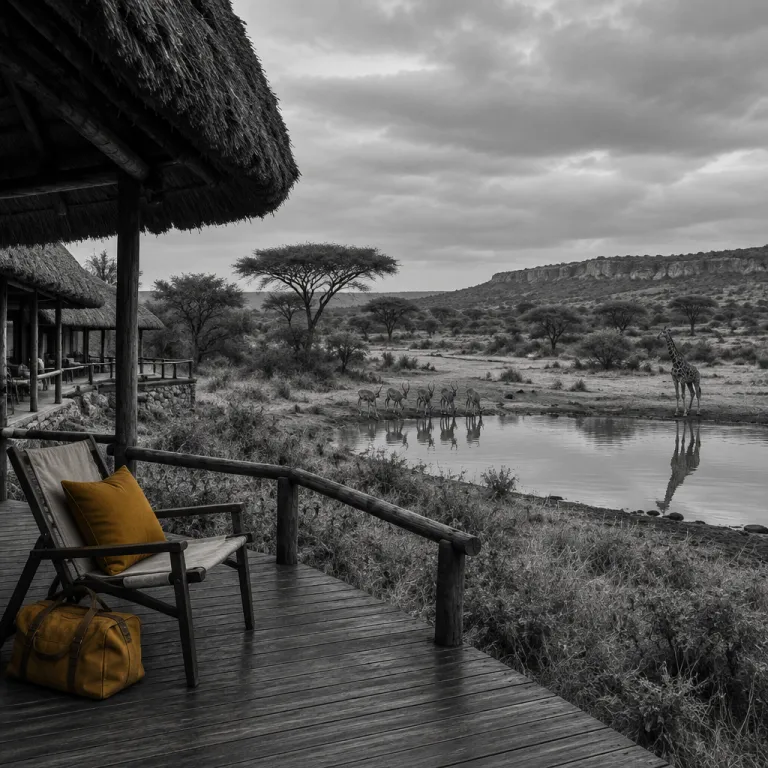
Antelope Park in Zimbabwe as a luxury safari base in the Midlands
Antelope Park in Zimbabwe sits near Gweru in the central Midlands, offering a refined safari base for travellers who value comfort as much as wildlife. This private game park blends intimate accommodation with wide savannah grassland, so your stay feels both exclusive and deeply connected to the natural environment. Many guests pair Antelope Park Zimbabwe with other destinations across the country, planning a seamless journey between Harare, Bulawayo, Victoria Falls, and Zimbabwe’s leading private reserves.
The park offers a compact yet diverse game reserve where you can encounter plains game such as impala, kudu, giraffe, and zebra, as well as lion and, on selected activities, rhino under protection. Because this is a managed private game setting rather than a vast national park, game drives feel focused and interpretive, and you will often have sightings almost to yourself. For travellers comparing options, Hwange National Park is ideal for expansive herds and big skies, while Antelope Park in the Midlands excels at close-up wildlife conservation experiences, flexible day activities, and a quieter camp atmosphere.
Luxury-focused visitors usually choose the suite lodges or river-facing rooms, which provide more privacy and space than the standard camp units. These suite lodges often include generous decks where you can watch antelope and other species move across the savannah grassland, turning your accommodation into a quiet viewing hide. Families sometimes prefer interleading rooms in the main lodges, while couples often select more secluded lodges for a tranquil stay that still keeps them close to the game park’s core facilities.
Accommodation, suite lodges, and room types at Antelope Park
When you book accommodation at Antelope Park Zimbabwe, you can choose between lodge rooms, tented camp units, and more exclusive suite lodges. Each option is designed to keep you close to the wildlife while still offering the comforts expected from Zimbabwe leading safari properties. The key is to match your preferred style of stay with the level of immersion you want in the surrounding natural environment and the type of wildlife activities you plan to enjoy.
Lodge rooms usually sit near the main areas of the game park, which makes them convenient for early morning game drives and evening activities. These rooms often overlook lawns where antelope and giraffe graze, so you may see several species without even leaving the verandah. Tented camp accommodation feels more adventurous, with canvas walls that let you hear the night sounds of the park and the distant calls of lion, while still providing solid beds, hot showers, and secure doors or zips.
Suite lodges at this private game reserve are aimed at guests who want extra space, upgraded amenities, and a more personalised stay. Many suite lodges include separate lounges, larger bathrooms with walk-in showers, and terraces that face the river or open savannah grassland, creating a sense of quiet seclusion. One guide, Tendai, explained that “many guests arrive for the game drives but leave talking about the stillness on their decks,” which captures how these lodges suit honeymooners or couples planning a romantic itinerary that might also include Victoria Falls or Hwange.
Signature wildlife activities, game drives, and bush walks
Antelope Park Zimbabwe is best known for its immersive wildlife activities, which are structured to balance guest enjoyment with conservation efforts. Guided game drives in open vehicles explore the game reserve at first light and late afternoon, when many species are most active on the savannah grassland. You will often see mixed herds of wildlife antelope, giraffe, zebra, and other plains game, while guides scan for lion or rhino where conservation projects are in place and explain how each sighting fits into the wider ecosystem.
For guests who want a slower pace, guided bush walks offer a different way to experience the park and its natural environment. On foot, you learn to read tracks, identify smaller species, and understand how each animal fits into the wider wildlife conservation story in Zimbabwe. These bush walks are usually led by highly trained guides who focus on safety, interpretation, and respect for the game park ecosystem, and they will adjust the route and pace to match the group’s fitness and interests.
Some activities focus on feeding routines for certain wildlife under managed care, which can be educational when framed within broader conservation efforts. As of 2024, hands-on lion interaction and cub petting activities historically associated with some southern African properties are no longer promoted here; instead, guests learn about observational lion conservation work, monitoring, and habitat management. If you are planning a proposal or special celebration, you might combine a private bush dinner with a walk or drive, then continue your romantic journey at another setting such as one of the most atmospheric places to propose in Zimbabwe.
Conservation focus, lion and rhino projects, and ethical questions
Any serious traveller considering Antelope Park Zimbabwe will want to understand its conservation model and how it has evolved. The park has been associated with lion conservation initiatives and other wildlife conservation projects, and guests are encouraged to learn how these programmes operate in practice. Many visitors arrive with frequently asked questions about animal welfare, the role of private game reserves, and how conservation efforts here relate to broader strategies across Zimbabwe and the wider region.
When you join a guided activity that explains lion conservation or rhino monitoring, you gain insight into the complex balance between tourism revenue and protection of threatened species. Guides often outline how the game park collaborates with conservation authorities, how data from the Midlands region contributes to national planning, and what challenges face antelope and other species in fragmented habitats. According to the Zimbabwe Parks and Wildlife Management Authority (ZPWMA), protected areas form a core part of national land-use planning, and private game operations can complement state-run parks when well regulated.
Ethical travellers should feel comfortable asking detailed questions about any interaction, feeding routine, or behind-the-scenes activity that involves wildlife. Responsible operators in Zimbabwe leading the sector will welcome scrutiny, explain how policies have changed over time, and clarify which activities are no longer offered if they conflict with best practice. As you compare options across the country, look for properties that prioritise habitat protection, low-impact game drives, and transparent reporting on their conservation outcomes, and ask whether independent audits or partnerships with recognised NGOs are in place.
Planning your stay, logistics from Harare or Bulawayo, and combining routes
Reaching Antelope Park Zimbabwe is relatively straightforward from both Harare and Bulawayo, which makes it an appealing stop on a wider circuit. The park lies close to Gweru in the Midlands, roughly midway between these two cities, so many travellers include it as a first or final safari stay. Road transfers can be arranged through your hotel booking platform or directly with the lodges, and private game vehicles may collect you from Gweru if required, especially when you arrive by scheduled coach or domestic flight.
For a classic itinerary, guests often fly into Harare, travel by road to the Midlands for a two or three night stay at Antelope Park, then continue towards Victoria Falls or Hwange. This route allows you to experience both an intimate private game reserve and a larger national park, each offering different wildlife and landscape perspectives. If you are interested in a more extensive safari, you can explore how Antelope Park pairs with luxury journeys to Victoria Falls and the iconic bridge, creating a varied yet cohesive Zimbabwe stay that links Harare, Bulawayo, and the north-western safari belt.
When planning, consider the type of accommodation you prefer, the activities that matter most, and how many nights you will allocate to each game park. Families might prioritise lodges with larger rooms and easy access to camp facilities, while couples may choose more secluded suite lodges for privacy. Whatever your profile, booking through a specialist platform focused on Zimbabwe leading properties can help align your expectations with the reality on the ground and clarify seasonal differences in wildlife viewing.
What to expect from service, dining, and guest experience
Service at Antelope Park Zimbabwe tends to be warm and personal, reflecting the hospitality culture found across much of Zimbabwe. Staff are usually drawn from nearby communities in the Midlands, and many have grown up with a close relationship to the surrounding natural environment. This local knowledge enriches your stay, as guides and hosts share stories about wildlife, seasonal changes, and the history of the game reserve, often pointing out how rainfall patterns affect antelope movements and grazing.
Dining often centres on hearty meals served in the main camp area or at outdoor locations within the park. Breakfast might follow an early morning game drive, while dinners can be set under the stars, with the sounds of antelope and other species carrying across the savannah grassland. Guests with dietary requirements should advise the lodges in advance, as remote locations need time to source specific ingredients and plan menus; sample dishes might include grilled game, vegetarian stews, and fresh salads using produce from nearby farms.
Throughout your stay, you can expect a rhythm shaped by activities such as game drives, bush walks, and conservation-focused talks. Between outings, many guests relax on their lodge verandahs, watching giraffe, zebra, and antelope move through the game park while birds call from nearby trees. The overall experience is less about opulent décor and more about a comfortable, attentive base from which to engage deeply with wildlife conservation and the landscapes of central Zimbabwe, with staff on hand to adjust timings or activities if you prefer a slower pace.
How to choose the right room, lodge, or camp for your trip
Selecting the ideal accommodation at Antelope Park Zimbabwe starts with clarifying your priorities. If you value proximity to facilities and social spaces, rooms in the main lodges or central camp will suit you well. Travellers who prefer quiet seclusion and extended views over the natural environment usually gravitate towards suite lodges on the edge of the game reserve, where you can sit on your deck and watch wildlife drift across the plains.
Families often ask which rooms can accommodate children comfortably and how close they are to the main camp, where meals and many activities begin. In these cases, interleading rooms or family-friendly lodges near the core of the park offer both convenience and safety, while still allowing easy access to game drives and bush walks. Couples planning a romantic stay might choose a river-facing suite, where they can watch antelope and other species from a private deck between activities and enjoy in-room dining on request.
Before confirming your booking, review the most frequently asked questions on your chosen platform, paying attention to details about room layouts, included activities, and any conservation levies. Clarify whether lion conservation or rhino-related experiences are available during your dates, as wildlife programmes can change with ongoing conservation efforts and regulatory guidance. With clear expectations and a thoughtful choice of accommodation, your time at Antelope Park in the Midlands can become a memorable chapter in a wider Zimbabwe journey that links city stays, game parks, and river landscapes.
Key figures and statistics about Zimbabwe safaris and Antelope Park
- Zimbabwe protects more than 26% of its land as national parks, safari areas, and other reserves, placing it among African countries with significant conservation estates (data reported by the Zimbabwe Parks and Wildlife Management Authority, ZPWMA).
- Hwange National Park covers about 14,650 square kilometres, while private game reserves such as Antelope Park are far smaller but can offer higher guide-to-guest ratios and more flexible activities per day, including tailored game drives and bush walks.
- Zimbabwe’s tourism sector has recorded several hundred thousand international arrivals annually in recent years, with wildlife and safari travel consistently ranking among the top reasons for visiting (figures reported by the Zimbabwe Tourism Authority, ZTA, and regional tourism updates).
- Conservation organisations estimate that southern Africa holds roughly 20,000 white rhino and fewer than 6,500 black rhino, which underlines why rhino monitoring and protection projects at selected reserves remain critical (figures referenced by the IUCN African Rhino Specialist Group and partner NGOs).
- Average drive time between Harare and Gweru is around 3.5 to 4 hours depending on traffic and road conditions, while the route between Bulawayo and Gweru usually takes about 2.5 hours, making Antelope Park a practical stop between major cities on a Harare–Bulawayo–Victoria Falls circuit.
Frequently asked questions about Antelope Park in Zimbabwe
How many nights should I stay at Antelope Park in Zimbabwe ?
Most travellers find that two or three nights at Antelope Park Zimbabwe provide enough time for several game drives, at least one bush walk, and a conservation-focused activity. A shorter one night stay can feel rushed, especially if you are driving from Harare or Bulawayo. If you are combining the park with a longer safari elsewhere, two nights usually balances variety and travel time without making the overall itinerary feel too busy.
Is Antelope Park suitable for families with children ?
Families can be well catered for, particularly in lodge rooms or family-oriented accommodation close to the main camp. Many activities, such as shorter game drives and supervised wildlife learning sessions, work well for older children who can follow safety instructions. Very young children may not be allowed on all bush walks or conservation activities, so it is wise to confirm age limits before booking and to ask which activities are specifically designed for younger guests.
What wildlife species can I expect to see at Antelope Park ?
Guests typically see a range of plains game such as antelope, giraffe, and zebra, along with smaller species and abundant birdlife. Depending on current conservation programmes, there may also be opportunities to learn about lion or rhino under managed protection, usually from a respectful viewing distance rather than through direct handling. Sightings are never guaranteed, but the compact nature of the game reserve often leads to productive drives and varied wildlife encounters.
How does Antelope Park fit into a wider Zimbabwe safari itinerary ?
Because it lies near Gweru in the Midlands, Antelope Park works well as a central stop between Harare, Bulawayo, Hwange, and Victoria Falls. Many travellers begin with a stay here to adjust to the safari rhythm before moving on to larger national parks. Others end their journey at Antelope Park, using its quieter setting to reflect on their wildlife experiences before returning home, especially after more intense game viewing in Hwange or along the Zambezi.
Do I need travel insurance and what should it cover for this type of trip ?
Comprehensive travel insurance is strongly recommended for any safari in Zimbabwe, including a stay at Antelope Park. Your policy should cover medical evacuation, trip cancellation, and loss or delay of luggage, as remote locations can complicate logistics. Check that adventure activities such as guided bush walks and open vehicle game drives are explicitly included in your cover, and confirm that emergency evacuation applies to private game reserves as well as national parks.