Why Mana Pools rewires how teenagers understand the wild
Mana Pools National Park sits on the lower Zambezi River in northern Zimbabwe, where the floodplain opens into a vast, shimmering stage for wildlife. This is the rare corner of Africa where a mana pools family walking safari is not a marketing line but a way of life, and where walking safaris are treated as the purest form of safari experience. For families used to game drives, the first day on foot feels like stepping through the screen and into the actual game.
The park is a designated UNESCO heritage site, recognised for its extraordinary concentration of wildlife and its intact riverine ecosystem. That status matters for any Zimbabwe safari with teenagers, because it guarantees strict protection of the national park and the pools national floodplain, and it underpins the guiding culture that makes a walking safari here so safe and so rich. When you plan safari time in Mana Pools, you are entering one of Africa’s most respected walking arenas, where guides read the bush with a precision that quietly impresses even the most screen distracted teenager.
On a typical mana pools family walking safari, you leave camp at first light, when the air is cool and the Zambezi River is still silver and flat. The group walks in single file behind an armed professional guide, with a second guide or tracker often shadowing the line, which keeps the guide to guest ratio close to one to four on serious walking safaris. Teenagers quickly understand that this is not a theme park game but a real wildlife experience, and that respect for distance, wind direction and animal behaviour is non negotiable.
Parents often ask, “Is it safe to walk in Mana Pools?” and the honest answer is embedded in the park’s culture of guiding. The official line from the authorities is clear and worth repeating in full : “Is it safe to walk in Mana Pools? Yes, with experienced guides.” That is why a mana pools family walking safari is always led by a licensed Zimbabwean professional, never by a general camp host, and why reputable camps insist that children joining a walking safari are typically 12 years or older.
From game drives to walking safaris: what changes for teenagers
Most families arrive in Zimbabwe via Victoria Falls or Hwange National Park, where game drives are the default way to see wildlife. Those game drives are superb for first time visitors, with Hwange National offering big herds and classic open vehicle game viewing that builds confidence before anyone steps out on a walking safari. Yet by the time you reach Mana Pools, teenagers are usually ready for something more intense than another day of sitting in a vehicle.
On a mana pools family walking safari, the absence of an engine changes everything, especially for older children. They hear the low rumble of elephants before they see them, they notice the alarm calls of impala that a vehicle would drown out, and they start to read the bush as a living network rather than a backdrop for photos. This is where a Zimbabwe safari quietly outperforms more famous regions such as the Okavango Delta for families with teenagers, because Mana Pools allows more walking freedom than many other parks while still operating under strict national park regulations.
Guides from operators such as Vundu Camp with John Stevens, Goliath Safaris with Stretch Ferreira, and John’s Camp on the Zambezi River specialise in walking safaris that respect both safety and teenage curiosity. At these camps, a typical walking safari might track fresh lion spoor for an hour, then switch to watching elephants stand on their hind legs to feed from albida trees, all on foot and at a respectful distance. For parents comparing options, Hwange versus Mana is a useful mental model : Hwange National is better for long, varied game drives, while Mana Pools excels at slow, immersive walking safaris that teenagers remember for years. For a broader sense of how these regions fit into a luxury wildlife circuit, see our guide to where luxury safaris meet the most iconic animals in Zimbabwe.
What teenagers talk about afterwards is rarely the species list, even when the day has included elephants, lions and wild dogs. They talk about the silence on the floodplain, the way the guide asked them to close their eyes and feel the wind on their faces, and the moment a bull elephant turned his head and they could read his body language from the angle of his ears. That shift from ticking off game to understanding behaviour is the real value of a mana pools family walking safari, and it is why many families now plan safari itineraries that end in Mana rather than start there.
Where to stay: camps that understand families and walking
Choosing the right camp in Mana Pools is the single most important decision for a family that wants to walk. Not every camp in the national park is set up for a mana pools family walking safari, and not every guide is equally comfortable leading teenagers on foot, so you want a property where walking safaris are central rather than an occasional add on. Look for camps that talk about walking first and game drives second, and that are transparent about age limits and guide qualifications.
Camp Mana is a classic seasonal camp on the Zambezi River, known for its relaxed atmosphere and strong focus on walking safaris for families. Tents face the river with an uninterrupted view of the floodplain, so teenagers can watch wildlife wandering between pools during the heat of the day, then step straight out on a guided walking safari when the light softens. The camp’s ethos is simple and effective : keep the footprint light, keep the guiding standards high, and let the national park’s wildlife dictate the pace of each day.
John’s Camp, sometimes written as Johns Camp, sits further along the river and offers a similarly purist approach to walking safaris, with a strong emphasis on safety protocols and guide to guest ratios. Here, a typical mana pools family walking safari might start with coffee under the albida trees, followed by a three hour walk tracking elephants and following the line of the Zambezi River, then an afternoon canoe or gentle game drives for younger siblings who are not yet old enough to walk. Nyamatusi Camp, in a private concession within the greater Mana Pools area, adds a more contemporary design language and deeper comfort, while still prioritising walking safaris and close up game viewing on foot.
Families who want to combine Mana with other regions often pair these camps with Hwange National for varied game drives, or with a few nights near Victoria Falls for the drama of the waterfall and the ease of international access. A well balanced Zimbabwe safari might start with Hwange camps for vehicle based game viewing, move to Mana Pools for walking safaris and river based activities, then end with a night or two near the falls or even a cultural extension to Great Zimbabwe and the Matobo Hills, as outlined in our feature on the details that actually make a Zimbabwe honeymoon. The key is to plan safari days that build in intensity, so that by the time your teenagers reach Mana, they are ready for the full walking safari experience.
Safety, guiding standards and what teenagers really remember
Safety on a mana pools family walking safari is not a vague promise but a set of clear, non negotiable protocols. An armed professional guide always leads the line, guests walk in single file, and there is a strict briefing before every walk that covers hand signals, stopping distances and what to do if wildlife changes direction. Teenagers are treated as responsible participants rather than passive passengers, which is precisely why they respond so well to walking safaris in this national park.
Zimbabwe’s guiding qualification is one of the most demanding in Africa, and Mana Pools has become a magnet for some of the country’s most respected walking specialists. Names such as John Stevens at Vundu Camp, Stretch Ferreira at Goliath Safaris and the guiding teams at Camp Mana and John’s Camp carry real weight in the safari world, and they all share a similar philosophy : read the animal first, then decide whether to approach, retreat or hold position. That level of judgement is what allows families to enjoy close yet safe game viewing on a walking safari, whether they are watching elephants at the pools or scanning the riverine thickets for lions.
Teenagers consistently say that the most powerful moments are not the dramatic charges or the big game drives, but the quiet encounters on foot. They remember the guide stopping the group because a baboon’s bark changed tone, then explaining how that single sound can signal a predator moving through the bush, and they remember the way the Zambezi River smells just before sunrise when the air is cool and the hippos are still grumbling in the channels. Many also talk about the evening campfires back in camp, when the day’s walking safaris are replayed under a sky so bright that phones finally stay in pockets.
For parents, the reassurance comes from both the formal safety framework and the lived track record of the camps and guides. The elephant population in Mana Pools is significant, with around 1 200 individuals recorded by the Zimbabwe Parks and Wildlife Management Authority, yet serious incidents involving guided walking safaris are extremely rare because of the discipline with which walks are conducted. When you plan safari time here with teenagers, you are not taking a reckless gamble ; you are trusting a mature guiding culture that has evolved over decades of walking this same floodplain.
How to plan, pack and pace a Mana Pools family walking safari
Planning a mana pools family walking safari starts with timing and fitness, because this is a hot, dry environment where the sun has real bite by late morning. The classic walking season coincides with the dry months, when wildlife concentrates around the Zambezi River and the inland pools, and when the bush is open enough for safe game viewing on foot. Teenagers do not need to be athletes, but they should be comfortable walking 6 to 8 kilometres at a steady pace in warm conditions, with breaks in the shade.
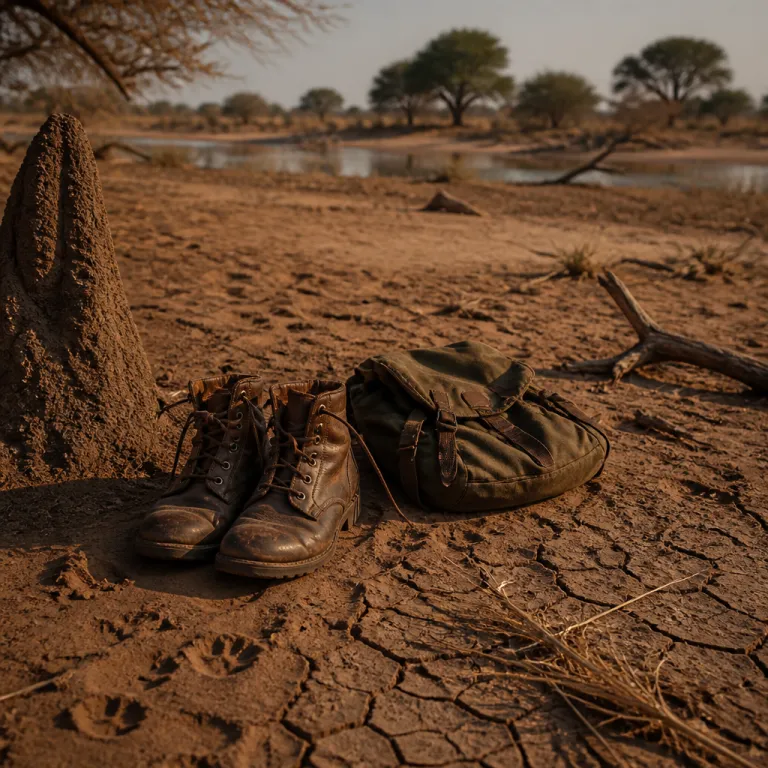
Packing for walking safaris is refreshingly simple, and most luxury camps in the national park provide almost everything else. Each teenager should have well worn, closed walking shoes, neutral coloured clothing, a wide brimmed hat, polarised sunglasses and a small day pack for water, sunscreen and a lightweight layer for the cool start. Binoculars transform the experience, especially when guides use them to show subtle behaviour such as elephants testing the wind or birds mobbing a raptor, and many camps also provide field guides so that teenagers can identify species themselves.
Parents often ask what else to combine with Mana Pools on a longer Zimbabwe safari, and the answer depends on how much variety your family wants. A classic circuit might link Hwange National for big sky game drives, Mana Pools for walking safaris and canoeing, and Victoria Falls for a final hit of drama and easy flights, while a more culture focused trip could add Great Zimbabwe or the Matobo Hills, as outlined in our feature on cultural day trips from luxury lodges. If you are tempted to add the Okavango Delta or other regions of Africa, think of Mana as the walking anchor of the trip, and build everything else around that core safari experience.
Finally, remember that a mana pools family walking safari is as much about mindset as it is about mileage. Encourage teenagers to leave headphones in camp, to ask questions on every walk, and to take fewer but more thoughtful photographs, focusing on behaviour rather than just close ups of game. When they return home talking about wind direction, spoor and the way a guide read an elephant’s mood before anyone heard a thing, you will know that Mana Pools has done its quiet work.
FAQ
Is it safe to walk in Mana Pools with teenagers?
Walking in Mana Pools with teenagers is considered safe when you use experienced, licensed guides who follow strict safety protocols. Groups walk in single file behind an armed professional, with clear briefings on behaviour, distances and hand signals before each walk. Reputable camps will only allow children aged 12 and above on serious walking safaris, and will adjust the route and pace to match the family’s confidence.
What age is suitable for a Mana Pools family walking safari?
Most camps in Mana Pools set the minimum age for a full walking safari at around 12 years, because younger children can struggle with both the discipline and the distances involved. Some properties offer shorter, gentler nature walks near camp for younger siblings, while older teenagers can join longer walks that track big game on the floodplain. Always check each camp’s specific policy when you plan safari itineraries, as age limits and conditions can vary.
What wildlife can we expect to see on foot in Mana Pools?
On a typical mana pools family walking safari, you can expect to see elephants, various antelope species, hippos along the Zambezi River and a rich array of birdlife, with lions and wild dogs also present in the area. Guides focus on safe, respectful distances, using wind and terrain to position the group for good game viewing without disturbing the animals. The emphasis is on behaviour and tracks as much as on sightings, so teenagers learn to read the bush rather than just count species.
How physically demanding is a walking safari for teenagers?
A walking safari in Mana Pools is moderately demanding, with most walks covering 6 to 8 kilometres over flat but sometimes sandy ground. The main challenge is the heat later in the morning, which is why walks usually start early and return to camp before midday, with another shorter walk in the late afternoon. Teenagers who are reasonably active at home generally cope well, especially if they stay hydrated, wear proper footwear and take advantage of rest stops in the shade.
What should families pack specifically for walking safaris?
For a mana pools family walking safari, each person should pack comfortable closed walking shoes, neutral coloured lightweight clothing, a wide brimmed hat, sunglasses and high factor sunscreen. A small day pack for water, a camera and a light layer is useful, and binoculars make a big difference to how much teenagers engage with the wildlife experience. Camps usually provide drinking water, field guides and sometimes walking sticks, so there is no need for heavy technical gear.