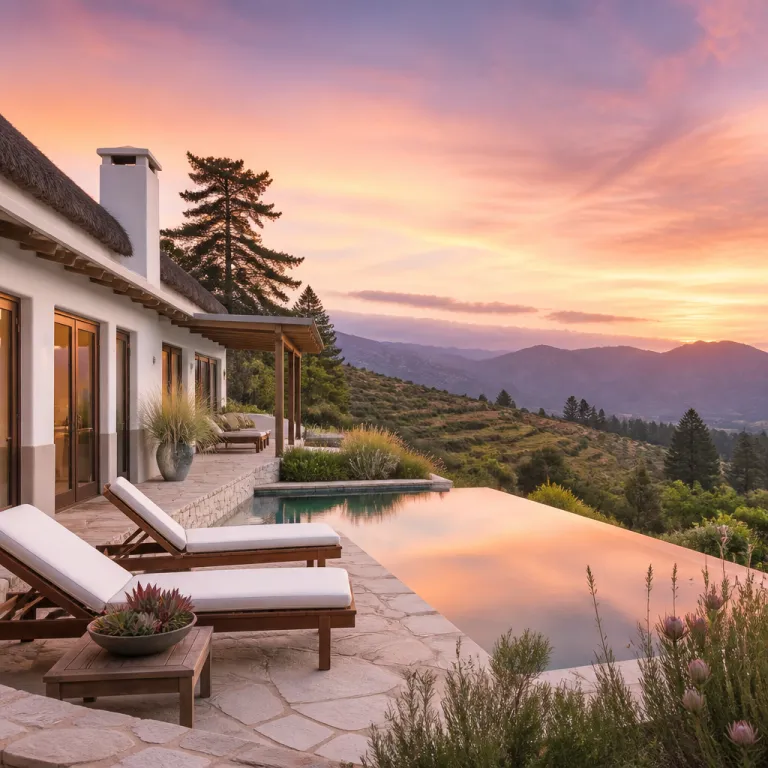
Why the eastern highlands of Zimbabwe suit luxury travellers
The eastern highlands of Zimbabwe form a cool, green spine along the Mozambique border. This mountain range stretches for about 300 km and gives travellers a refined alternative to the heat of much of southern Africa. In this part of eastern Zimbabwe, luxury hotels lean into misty mountains, montane forest and quiet valleys rather than crowded city streets.
For guests planning a Zimbabwe safari that balances wildlife with rest, the eastern highlands region pairs well with Mana Pools or Victoria Falls in one seamless trip. Many travellers fly into Harare, spend a few days in the mountains before or after a national park safari, then continue to Victoria Falls or even on to South Africa or Mozambique. This routing keeps transfer time reasonable while showcasing very different faces of Zimbabwe’s eastern landscapes.
Pack warm clothing; the climate here is cool and often misty. The higher rainfall and montane forest mean that mornings in the highlands can feel surprisingly crisp compared with lowland national parks. This makes the eastern uplands one of the best places in Zimbabwe for travellers who prefer fireside drinks, long views over mountains and unhurried days rather than intense heat. As one recent guest at a boutique lodge near Nyanga remarked, “I never expected to need a sweater in Africa, but watching the clouds lift off the hills with a hot coffee was a highlight of our trip.”
Nyanga and Mutarazi Falls: elevated retreats in the northern highlands
Nyanga sits in the northern part of the eastern highlands and is the classic gateway to mountain scenery in Zimbabwe. Here, Nyanga National Park protects rolling hills, upland rivers and the country’s highest mountain, Mount Nyangani, which rises to 2 592 m according to Zimbabwe’s national mapping authorities and regional topographic surveys (for example, data published by the Surveyor-General and 1:250 000 series maps). Several premium lodges overlook the mountains and valleys, giving guests front row seats to sunrise light over eastern Zimbabwe.
Mutarazi Falls, dropping about 762 m, is one of the most dramatic waterfalls in Africa and a highlight of any stay in the highlands region. Figures published by Zimbabwe tourism bodies and widely cited geographical references place it among the tallest waterfalls on the continent, with the Zimbabwe Tourism Authority and regional guidebooks consistently quoting a height in the 760 m range. Many hotels arrange guided excursions to the falls, combining forest walks, viewpoints and sometimes a picnic with local produce. If you are planning elegant ways to pose next to Victoria Falls for unforgettable hotel stays, you will find that Mutarazi Falls offers a quieter, more private counterpart in the mountains, with far fewer people and more time for photography.
Luxury properties around Nyanga, such as Troutbeck Resort and smaller boutique lodges on private estates, often include fly fishing, horse riding and guided hikes in their nightly rate quoted in USD per person. This structure makes it easier to compare the cost of a Nyanga stay with a Zimbabwe safari in a lowland national park such as Mana Pools. Guests usually spend two or three days in Nyanga National Park, which allows enough time to summit the mountain, visit the falls and still enjoy slow afternoons by the fire.
Chimanimani mountains and chimanimani national park: remote elegance on the border
Further south along the eastern highlands, the Chimanimani mountains rise sharply on the border between Zimbabwe and Mozambique. This area feels wilder than Nyanga, with rugged peaks, deep valleys and extensive montane forest that shelters rare plant and bird species. For travellers seeking a quieter corner of southern Africa, the Chimanimani landscape offers a sense of seclusion that is hard to match.
Chimanimani National Park is known for its hiking routes, natural rock pools and high plateau views across both Zimbabwe and Mozambique. Luxury and premium lodges here tend to be smaller, focusing on privacy, guided walks and carefully curated food rather than large resort facilities. Many guests split their time between Nyanga National Park and the Chimanimani mountains, using a private driver or specialist tour operator to move along the eastern highlands corridor over two or three days.
Planning the best time to visit Chimanimani depends on your priorities, because the dry season from roughly May to October offers clearer views while the wetter months bring lush forest and flowing rivers. If you are combining this region with Victoria Falls or a Zimbabwe safari in Mana Pools National Park, it is worth studying a detailed Victoria Falls map for luxury travel in Zimbabwe to understand flight connections and road distances. In practice, most travellers treat Chimanimani as a final, restful stop after more intense wildlife days in other national parks, often commenting that the silence and starry skies feel like a complete reset.
Bvumba mountains and Mutare: gardens, views and cross border itineraries
Close to the city of Mutare, the Bvumba mountains offer another refined corner of the eastern highlands. Here, manicured gardens, forested slopes and sweeping views into Mozambique create a softer landscape than the sharper Chimanimani peaks. Luxury hotels often sit on ridgelines, allowing guests to watch cloud banks roll through the highlands while enjoying afternoon tea or a quiet drink.
The montane forest around the Bvumba mountains is famous among bird watchers, and several properties employ specialist guides who know the local species intimately. Guests who have already visited Victoria Falls or a major national park often appreciate the slower pace here, with time for garden walks, spa treatments and gentle drives rather than long safari days. Because Mutare lies on a key route between Zimbabwe and Mozambique, the area also works well for cross border itineraries that link eastern Zimbabwe with the Indian Ocean coast.
When comparing hotels in the Bvumba mountains, pay attention to whether rates are quoted per room or in USD per person, especially if you are travelling as a family. Some of the best properties, including long-established country houses and newer boutique retreats, include guided forest walks and high tea in their nightly rate, which can offer better value than a lower headline price with many extras. For many travellers, two or three days in this part of the highlands region is enough to unwind after a busy trip through other parts of Africa.
Pairing eastern highlands Zimbabwe with Victoria Falls and national parks
Many luxury travellers combine the eastern highlands with Victoria Falls and at least one major national park to create a balanced Zimbabwe itinerary. Victoria Falls offers the drama of the Zambezi River and a wide choice of premium hotels, while the highlands provide cool air, mountains and forest to rest between safari days. This contrast between the falls, the mountains and the lowland bush is one of the best reasons to choose Zimbabwe over other parts of southern Africa.
When planning your time, consider starting with a Zimbabwe safari in Mana Pools or another national park, then flying to Victoria Falls for two or three days before driving or flying on to eastern Zimbabwe. This sequence lets you end your trip in the quiet of the highlands, where early nights and slower mornings help you reset before the journey home. If you prefer lower prices and greener landscapes, you may want to read a detailed argument about why Zimbabwe between November and April costs half and delivers double, because this so called green season can work well for the eastern mountains.
Rates in both Victoria Falls and the eastern highlands are usually quoted in USD per person, especially at the top end of the market. During the dry season, which is often considered the best time for wildlife viewing in national parks, demand for Victoria Falls hotels and Zimbabwe safari lodges is higher, so booking early is wise. In contrast, the upland region can feel pleasantly uncrowded even in peak months, making it a strategic place to include in your trip if you value space and quiet.
Choosing the best time to visit and what to expect from luxury stays
The best time to visit the eastern highlands depends on whether you prioritise clear views or lush landscapes. The dry season usually brings brighter skies and easier hiking in Nyanga National Park and Chimanimani National Park, while the wetter months cloak the mountains in mist and feed the forest and waterfalls. Because the climate is cooler than much of Zimbabwe, even the warmest days in the highlands feel comfortable compared with lowland areas near national parks.
Luxury hotels across eastern Zimbabwe typically focus on personalised service, local ingredients and guided activities rather than large scale entertainment. In Nyanga, guests might spend their days climbing a mountain, visiting Mutarazi Falls or fishing in upland rivers, while evenings revolve around fireside drinks and multi course dinners. In the Chimanimani mountains and the Bvumba range, the emphasis often shifts to guided forest walks, bird watching and quiet time on private terraces overlooking the highlands.
Across the eastern highlands region, increased eco tourism activities have encouraged the development of hiking trails and lodges that respect the environment. Hotel teams will often remind guests that the climate is cool and that the area is ideal for hiking, bird watching, and fishing. When you combine this gentle pace with a few intense days at Victoria Falls or on a Zimbabwe safari in Mana Pools, you create a trip that shows how varied Zimbabwe can be within a single journey through southern Africa.
Key figures for luxury travel in the eastern highlands of Zimbabwe
- The Eastern Highlands mountain range runs for about 300 km along the Zimbabwe and Mozambique border, giving travellers multiple distinct areas such as Nyanga, Chimanimani and the Bvumba mountains to explore in one trip (distance reported in regional atlases, Surveyor-General mapping and widely cited geographical surveys).
- Mount Nyangani, located in Nyanga National Park, reaches an elevation of 2 592 m, making it the highest mountain in Zimbabwe and a major draw for hikers who want cooler conditions than typical lowland national parks (height reported by national mapping authorities, 1:50 000 topographic sheets and corroborated by GPS-based summit measurements).
- Mutarazi Falls in Nyanga National Park drops approximately 762 m, placing it among the tallest waterfalls in Africa and offering a dramatic counterpart to the wider curtain of water at Victoria Falls (figures referenced by Zimbabwe tourism bodies, regional guidebooks and hydrological surveys of the Pungwe River catchment).
- Most luxury properties in the eastern highlands quote rates in USD per person per night, which allows easy comparison with safari lodges in Mana Pools and other national parks across southern Africa (pricing practice observed across leading hotel booking platforms, specialist tour operators and Zimbabwe Tourism Authority accommodation listings).
- Typical stays in the highlands region last two to three days, often combined with three to four days at Victoria Falls and three to five days on a Zimbabwe safari, creating a balanced itinerary of roughly eight to twelve days (patterns reported by regional tour operators, sample itineraries from luxury travel planners and booking data from high-end lodges).
FAQ about luxury stays in the eastern highlands of Zimbabwe
What is the highest peak in the Eastern Highlands?
The highest peak in the Eastern Highlands is Mount Nyangani at 2 592 m. For luxury travellers, this mountain in Nyanga National Park offers guided hikes from nearby premium lodges, with cool temperatures and wide views across eastern Zimbabwe.
What activities can visitors enjoy in the Eastern Highlands?
Visitors can enjoy hiking, bird watching, fishing, and exploring waterfalls. Many high end hotels in Nyanga, the Bvumba mountains and the Chimanimani range build these activities into curated daily programmes, often led by specialist guides.
What is the climate like in the Eastern Highlands?
The climate is generally cool and misty, with higher rainfall than surrounding areas. This makes the eastern highlands Zimbabwe region especially appealing after hot days on safari in national parks such as Mana Pools or after time at Victoria Falls.
How many days should I spend in the eastern highlands on a luxury trip?
Most travellers spend two to three days in the highlands region, either in Nyanga, the Bvumba mountains, Chimanimani or a combination of these. This duration allows time to see Mutarazi Falls, walk in montane forest and enjoy the facilities of your hotel without rushing between activities.
Can I combine the eastern highlands with Victoria Falls and a Zimbabwe safari?
Yes, many premium itineraries link eastern Zimbabwe with Victoria Falls and at least one major national park. A common pattern is to start with a Zimbabwe safari in Mana Pools or another park, continue to Victoria Falls for the falls and river activities, then end with quiet days in the eastern highlands before flying home.