Mbira, spirits and the quiet power of Shona ceremony
The starting point for any zimbabwe mbira music culture travel journey is understanding that this instrument is not just sound. In Shona tradition, the mbira is a spiritual bridge, played in ceremonies where families invite ancestral spirits to guide the living and where the line between prayer, trance and music softens. When you hear mbira music in Zimbabwe at its most authentic, you are listening to a living conversation between the shona people, their land and their history.
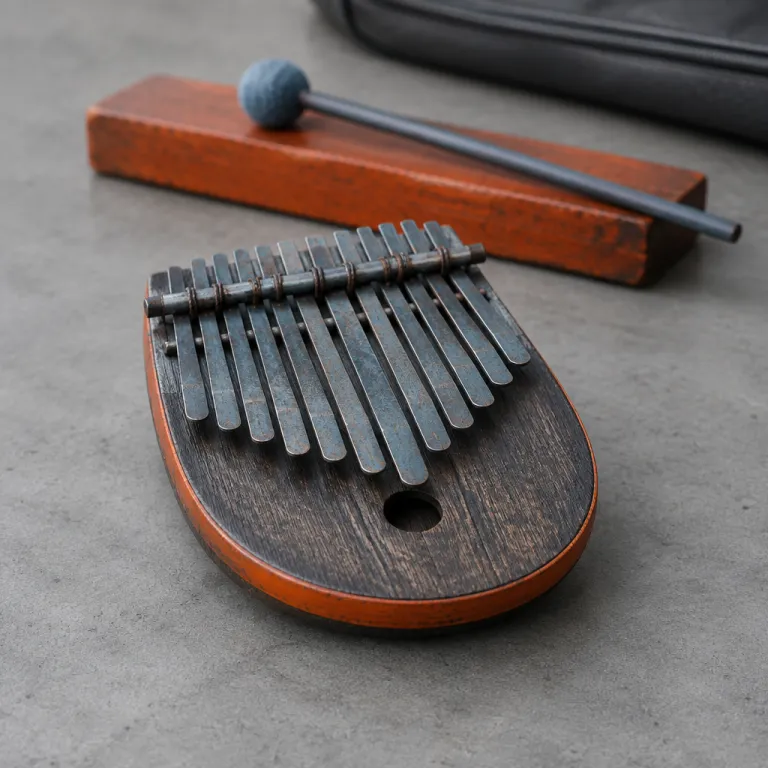
The mbira itself is a hand held instrument, a set of metal keys mounted on wood and often placed inside a resonating gourd that amplifies the sounds mbira creates into a soft metallic shimmer. For many people Zimbabwe wide, this is the sound of home, and the mbira dzavadzimu in particular carries deep meaning as the "mbira of the ancestors" that has been played years across generations in traditional Shona ceremonies. When you plan luxury travel around mbira Zimbabwe experiences, you are not booking a concert in the Western sense but entering a space where music, spirits and community are tightly woven.
In Shona mbira practice, a group of mbira players may sit for hours, repeating and varying patterns until the musical texture becomes almost trance like. The marimba hosho combination often joins in, with wooden marimba bars and rattling hosho gourds adding a percussive bed that supports the mbira player on each stage of the ceremony. This is culture music in its purest form, where musical arts are not separated from daily life and where people in Zimbabwean culture use sound to speak to what cannot be easily said. For a solo explorer, hearing this respectfully is one of the top reasons to weave mbira shona experiences into a wider Africa itinerary.
From lodge lawn to village clearing: where music feels real
Luxury properties in Zimbabwe now recognise that guests want more than a generic dinner time show. The best lodges curate encounters where mbira music, marimba marimba ensembles and Shona song are presented as part of a relationship with a nearby community, not as a quick stage act squeezed between courses. When you are planning zimbabwe mbira music culture travel, the question is not whether music is played but how and with whom.
Ask your lodge how often their preferred mbira players perform, whether the same group returns regularly and how long they have played years together. A property that speaks about a long term partnership with a specific community, and about supporting zimbabwe traditional arts through fair payment and training, is usually a safer bet than one that rotates anonymous musical groups. You want to hear that the musicians choose the repertoire, that traditional Shona pieces for mbira dzavadzimu or marimba hosho are respected, and that guests are invited to listen first rather than immediately join in.
Some of the most moving moments happen away from the formal stage, perhaps under a thatched shelter in a village clearing where a small group of shona people gathers after a community meeting. Here, a single mbira player may start playing mbira quietly while others add clapping patterns, and the music grows organically as people Zimbabwe wide know the songs by heart. When you read about how Zimbabwe’s cultural landscape shapes the lodges you sleep in, especially in guides to stone, thatch and open sky architecture, you start to see how space, acoustics and design can either honour or flatten these musical arts. Choose properties that speak about sound as carefully as they speak about thread count.
Harare nights, recorded archives and the wider musical map
Not every traveller will reach a rural ceremony, but zimbabwe mbira music culture travel can still be rich if you build time in Harare or Bulawayo. In the capital, live music venues, arts centres and cultural festivals sometimes host mbira music alongside marimba marimba groups, jazz bands and choral ensembles, giving you a sense of how zimbabwean culture evolves in the city. Here, the mbira instrument steps onto a more conventional stage, yet the best performances still carry that intimate, cyclical feel.
When you attend a concert in Harare, look for line ups that foreground mbira players by name and mention traditional Shona repertoire rather than only fusion projects. A thoughtful programme might move from solo mbira dzavadzimu pieces to full band arrangements with drum kit, bass and marimba hosho, showing how playing mbira can sit comfortably inside contemporary Africa wide sounds. For solo explorers used to venues in the United States, the scale may feel smaller, but the intensity of focus on each mbira player is often greater.
Recorded archives also matter, especially if you want to go deeper after you leave Zimbabwe. Many classic albums of mbira shona music were recorded decades ago and remain reference points for people Zimbabwe wide who care about culture music and spiritual practice. When you support labels and community projects that have recorded and preserved these musical arts, you help ensure that the sounds mbira creates in rural homesteads and urban townships continue to travel far beyond Zimbabwe, shaping how the shona people and the Ndebele story are taught to children through travel and listening.
Choosing a luxury base that respects Zimbabwean culture
For travellers using a premium booking platform, the key to meaningful zimbabwe mbira music culture travel is reading between the lines of property descriptions. A hotel that simply promises "traditional entertainment" without detail may be offering a generic show, while one that explains its partnership with a specific Shona community and names mbira music or marimba hosho ensembles is signalling deeper engagement. Look for language about cultural exchange, fair compensation and guest orientation sessions that explain the role of spirits and ceremony in Zimbabwe traditional life.
When comparing options, study how each property talks about people in Zimbabwean culture, not just wildlife and views. A lodge that mentions supporting local arts education, commissioning instruments from mbira players or hosting workshops on playing mbira for interested guests is usually taking culture music seriously. This is where a specialist guide to luxury and premium hotel booking websites in Zimbabwe becomes invaluable, helping you separate marketing gloss from genuine commitment to the musical arts.
On a practical level, ask whether performances are held in acoustically sympathetic spaces rather than echoing dining rooms, and whether amplification is used sparingly so the natural sounds mbira produces remain clear. A thoughtful property might offer an early evening mbira shona session on a terrace, followed by a later marimba marimba group on a small outdoor stage, giving guests different textures of Zimbabwean music across the night. When a hotel can speak confidently about mbira Zimbabwe traditions, shona mbira repertoire and the role of the mbira dzavadzimu in community life, you know your stay will be more than a backdrop for safari photos.
How to listen, engage and support respectfully
Once you have chosen a base, the heart of zimbabwe mbira music culture travel lies in how you show up as a listener. Arrive early, sit close enough to see the mbira instrument and the hands of each mbira player, and give the first few pieces your full attention before reaching for a camera. In many Shona settings, the music is an offering to spirits and ancestors, so treating it as background noise would miss the point entirely.
When invited, joining in can be powerful, whether by clapping, singing a simple response line or trying to play mbira under guidance. Some lodges arrange short workshops where guests can feel the interlocking patterns of mbira shona music or learn basic marimba hosho rhythms, always framed as an introduction rather than a performance. Buying instruments or recorded music directly from mbira players is one of the most effective ways to support people Zimbabwe wide who keep these musical arts alive.
Ethical engagement also means asking before taking close up photos, especially in village settings where the presence of cameras can change how people behave. A respectful traveller understands that the sounds mbira creates belong first to the community, and that any recording or sharing should be done with consent and context. For solo explorers used to fast moving city breaks in the United States, slowing down to sit with one group of musicians for an entire evening can feel radical, yet this is where the deepest layers of Zimbabwean culture often reveal themselves.
FAQ
What is the mbira and why is it important in Zimbabwe?
The mbira is a traditional Shona instrument made of metal keys mounted on a wooden board, often placed in a gourd resonator. In Zimbabwe, mbira music is closely linked to ceremonies where families communicate with ancestral spirits and seek guidance. It is both a musical art form and a core part of Zimbabwean culture and spiritual life.
How can I tell if a hotel’s cultural performance is authentic?
Authentic experiences are usually based on long term relationships with a specific community and named groups of musicians. Look for hotels that explain the role of mbira, marimba and Shona song, mention fair payment and avoid rushing performances between courses. Generic promises of "traditional entertainment" without detail often signal a more staged, less rooted show.
Where are the best places to hear mbira music during a trip?
You can hear mbira in several settings, including village visits arranged through community projects, small cultural centres in Harare and carefully curated lodge evenings. Rural ceremonies are the most traditional context, but they are not always accessible or appropriate for short term visitors. Well run lodges and arts venues can offer respectful introductions that still honour the music’s origins.
How should I behave during a mbira performance at a lodge or village?
Start by listening quietly and giving the musicians your full attention, especially during the first pieces. Ask before taking close photos or videos, and follow any guidance from your host about when participation is welcome. Buying instruments or recordings directly from the performers is a meaningful way to show appreciation and support.
Is it possible to learn to play mbira as a traveller?
Some lodges and cultural centres offer short introductory lessons where you can try basic patterns on the mbira or marimba. These sessions will not make you an expert, but they give insight into how interlocking lines are played and how the music feels from the inside. If you are serious about learning, consider arranging longer term lessons with a recognised teacher on a future visit.