Why shona sculpture belongs on a luxury Zimbabwe itinerary
Shona sculpture sits at the heart of Zimbabwe’s stone art culture, yet many premium itineraries glide past it. This modern stone carving tradition, shaped by Shona people and generations of Zimbabwean sculptors, is now recognised as one of the most important movements in African art. For a traveler used to five star suites and private game drives, engaging with hand carved works in person adds a layer of meaning that no lodge wine list can match.
Across Zimbabwe, from Harare to Victoria Falls, you will see stone sculptures carved from local serpentine and green serpentine, each piece carrying the weight of family, ancestry and spiritual belief. The best luxury hotels now curate this art form with the same care they apply to their cellar, commissioning contemporary works that speak to Zimbabwean stone practice while honouring the original movement. When you stand in front of a single sculpture, you are also standing in front of a Shona story that has travelled from rural workshops to the National Gallery of Zimbabwe and on to major international collections such as the Museum of Modern Art in New York and the British Museum in London, both of which have documented holdings of Zimbabwean stone carving.
For business leisure travelers, this is not abstract culture but a practical, time efficient experience that fits neatly between meetings and flights. A three hour curated visit to a gallery in Harare, followed by a tasting menu back at your hotel, can reveal more about Zimbabwean sculpture than any airport souvenir shop. The key is to choose properties and partners who understand both fine art standards and the realities of executive schedules, so every carved stone encounter feels intentional rather than incidental.
Harare’s sculpture triangle: national gallery, chapungu and shona sculpture gallery
Harare is the most efficient base for understanding Shona stone sculpture at a serious level. Within a compact radius, you can move from the National Gallery’s historic collection to contemporary spaces where Zimbabwean sculptors negotiate new forms in green serpentine and other local stone. For an executive with one free afternoon, this triangle offers a concentrated immersion in African art without sacrificing comfort or time.
Start at the National Gallery in central Harare, founded in 1957, where early works by first generation artists sit beside later sculptures that pushed the movement into global fine art circles. Here you will often encounter pieces by Sylvester Mubayi, Bernard Matemera and Colleen Madamombe, each work revealing a different reading of Shona cosmology and family life. The curators frame these sculptures as part of a wider Zimbabwean stone narrative, linking them to the broader movement that Frank McEwen helped champion when he supported local artists in the mid twentieth century, a role documented in the gallery’s own archival notes and exhibition catalogues.
From there, a driver can take you to Chapungu Sculpture Park on the city’s edge, where stone figures stand in landscaped gardens and the forms of couple, family and spirit guardians echo the surrounding trees. A final stop at Shona Sculpture Gallery on Airport Road, which displays around sixty sculptures at any time, gives you a chance to see hand carved works in serpentine up close and to purchase pieces directly. This is also the ideal moment to connect your cultural afternoon with your choice of stay, especially if you are considering properties that lean into Zimbabwe’s design heritage, as explored in depth in our guide to how Zimbabwe’s cultural landscape shapes the lodges you sleep in. For practical planning, Shona Sculpture Gallery maintains an up to date contact page with opening hours, appointment details and shipping information, which your concierge can reference when arranging a visit.
From tengenenge to lodge lobbies: where the movement lives today
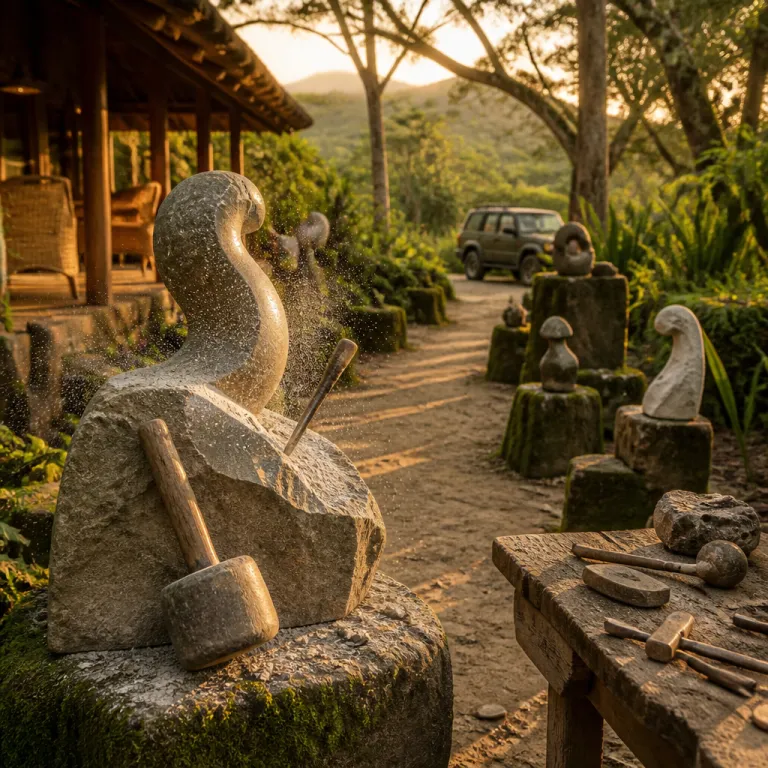
Out in the countryside north of Harare, the Tengenenge Artists Community functions as a living chapter of Zimbabwean stone sculpture. Here, sculptors work directly in open air yards, rough blocks of local rock gradually becoming polished figures under the steady rhythm of hammer and hand. Walking through Tengenenge with a knowledgeable guide, you see how each piece moves from raw serpentine to finished art form, often passing between several artists in the same family or generation.
This is where the legacy of McEwen’s early support for Shona artists becomes tangible, as new generation sculptors reinterpret themes of couple, family and ancestral spirits in forms that feel both ancient and sharply modern. Many of these artists now supply luxury lodges and urban hotels, so the sculpture you admire in a Harare lobby or Victoria Falls suite may have started life as a rough block in this rural movement hub. For travelers who appreciate provenance, arranging a visit to Tengenenge through a trusted operator adds depth to every carved figure you later encounter in a gallery or hotel corridor.
Back in the city, high end properties increasingly curate their own mini galleries, commissioning Zimbabwean sculptors to create site specific works in green serpentine or darker serpentine stone. Some lodges rotate pieces seasonally, treating their public spaces as evolving exhibitions of contemporary Zimbabwean sculpture rather than static décor. If you value this level of cultural engagement, look for hotels that highlight their partnerships with artists and that offer guided art walks on property, a trend we analyse further in our feature on innovative spaces and inspired experiences in Zimbabwe’s luxury hotels. When photographing these collections, use descriptive image alt text such as “green serpentine Shona sculpture in Harare hotel lobby” to preserve context and improve accessibility.
How luxury hotels curate shona and ndebele art for discerning guests
Zimbabwe’s most thoughtful luxury properties now treat Shona sculpture and Ndebele design as a core part of their guest experience, not an afterthought. In Harare, Victoria Falls and Hwange, you will find stone pieces positioned with the same care as contemporary photography, often lit to emphasise the subtle form of each carved surface. The best general managers work directly with Zimbabwean sculptors and Ndebele beadwork collectives, ensuring that both traditions appear side by side as equal strands of African art.
In practice, this might mean a lobby anchored by a monumental green serpentine figure, flanked by Ndebele textiles whose geometric patterns echo the sculpture’s curves. Suites may feature smaller carvings of a couple or family, hand shaped from local stone and accompanied by a short note about the artist, the movement and the specific serpentine used. Some properties go further, hosting seasonal exhibitions where several artists from the same generation cohort present new work, turning the hotel into a temporary gallery that rivals dedicated fine art spaces and mirrors the curatorial standards of institutions such as the National Gallery of Zimbabwe.
For business leisure travelers, these curated environments offer a discreet way to engage with Zimbabwean sculpture between meetings, especially when time for external excursions is limited. Ask the concierge whether the hotel partners with the National Gallery, Shona Sculpture Gallery or individual artists such as Sylvester Mubayi, Bernard Matemera or Colleen Madamombe, whose works often anchor serious collections. When a property can speak fluently about its art movement connections and the provenance of each piece, you know you are staying somewhere that treats culture with the same seriousness as service.
Designing a half day shona sculpture trail from your hotel
With smart planning, you can weave Zimbabwean stone sculpture into a tight corporate schedule without sacrificing rest or reliability. In Harare, a typical half day might start with a chauffeured transfer from your hotel to the National Gallery for a focused ninety minute tour of key works. From there, a short drive to Shona Sculpture Gallery allows you to see around sixty pieces in a quieter setting and to speak directly with artists or curators about specific carvings in serpentine or green serpentine.
For travelers based in Victoria Falls, several high end lodges now arrange short flights or road transfers to nearby studios where Shona sculptors work in open air yards, giving you a direct view of the hand carved process. These visits often include demonstrations of how a raw block of Zimbabwean stone becomes a finished artwork, with artists explaining the symbolism behind couple and family figures, spirit guardians and abstract forms. Safety and etiquette are straightforward, as long as you follow core guidance such as visiting during daylight hours, arranging guided tours in advance and respecting local customs.
Many executives choose to purchase one or two sculptures as tangible reminders of their time in Zimbabwe, often selecting works by artists whose names already circulate in international African art circles. When you ask, "What is Shona sculpture?" and hear the answer, "Stone art from Zimbabwe’s Shona people," the pieces in front of you suddenly feel less like souvenirs and more like entries in a living movement. If you then wonder, "Where can I see Shona sculptures?" and learn that "Shona Sculpture Gallery in Harare" is a key venue, it becomes natural to ask, "Can I purchase Shona sculptures?" and appreciate the simple reply, "Yes, available at galleries and studios." For budgeting, expect professional packing and air freight for a medium sized serpentine piece to start at roughly US$150–US$300 depending on weight and destination, excluding insurance.
Beyond stone: connecting sculpture to Zimbabwe’s wider cultural landscape
Engaging with Shona sculpture is often the gateway to a broader appreciation of Zimbabwe’s layered heritage. Once you have spent time with stone works in Harare or Tengenenge, the painted homesteads and beadwork of Ndebele communities, the mbira music in city bars and the textile patterns in hotel lounges start to feel like part of the same creative story. Luxury properties that understand this connection will often pair Shona carvings in public spaces with Ndebele textiles, contemporary photography and curated books on African art, creating a quiet but coherent narrative.
For the traveler, this means that a single carved stone in a lobby can prompt a deeper itinerary that includes visits to rural craft cooperatives, music venues and design forward cafés. Some hotels now work with local partners to offer combined experiences, such as a morning at the National Gallery followed by an afternoon studio visit and an evening performance, all within a manageable radius of Harare. This integrated approach reflects a wider innovation in Zimbabwe’s tourism sector, where integrating traditional art into luxury tourism supports cultural appreciation, economic opportunities for artists and long term tourism development.
As interest in African art grows globally and more travelers seek meaningful experiences rather than generic luxury, Zimbabwe’s Shona sculpture trail offers a rare combination of accessibility, depth and authenticity. You can move from a boardroom to a gallery in minutes, from a polished green serpentine figure to a raw block of Zimbabwean stone in a single day, without compromising comfort. For those willing to look beyond the game drive, this is where Zimbabwe’s most enduring stories are carved, one hand mark at a time.
FAQ
How much time do I need to experience shona sculpture in Harare ?
A well planned three to four hour window is enough to visit the National Gallery and Shona Sculpture Gallery with a private driver. This allows time to see key works, speak briefly with curators and, if desired, select a piece to purchase. Executives can usually fit this into a transit day or a free afternoon between meetings.
Can I buy shona sculptures and ship them home safely ?
Reputable galleries and some luxury hotels in Zimbabwe offer professional packing and international shipping for stone artworks. They will crate each piece securely, handle export permits and provide tracking, which is essential for heavier serpentine works. Always request full documentation on the artist, the stone type and the art movement context for insurance and provenance.
Is it possible to meet zimbabwean sculptors during a short business trip ?
Yes, many studios in Harare and communities such as Tengenenge welcome pre arranged visits, even for a few hours. Your hotel concierge or travel planner can coordinate a guided visit where you watch artists hand carve Zimbabwean stone and discuss their generational influences. This direct contact often transforms how you see similar sculptures later in galleries and hotel spaces.
How do luxury hotels in Zimbabwe integrate local art without feeling like museums ?
Leading properties curate focused collections of Shona carvings, Ndebele beadwork and contemporary photography that complement, rather than overwhelm, their interiors. They may highlight a few signature pieces in public areas, then place smaller works in suites with concise notes about the artist and the art form. Optional guided art walks or short talks keep the experience relaxed while still honouring Zimbabwe’s stone sculpture heritage.
Is shona sculpture suitable as a corporate gift or investment piece ?
High quality works by established Zimbabwean sculptors can serve as both thoughtful corporate gifts and long term fine art holdings. Pieces by artists linked to the core movement, such as Sylvester Mubayi, Bernard Matemera or Colleen Madamombe, are especially valued in African art circles. When buying for corporate purposes, prioritise clear provenance, durable serpentine stone and themes that resonate universally, such as couple, family or abstract spirit forms.