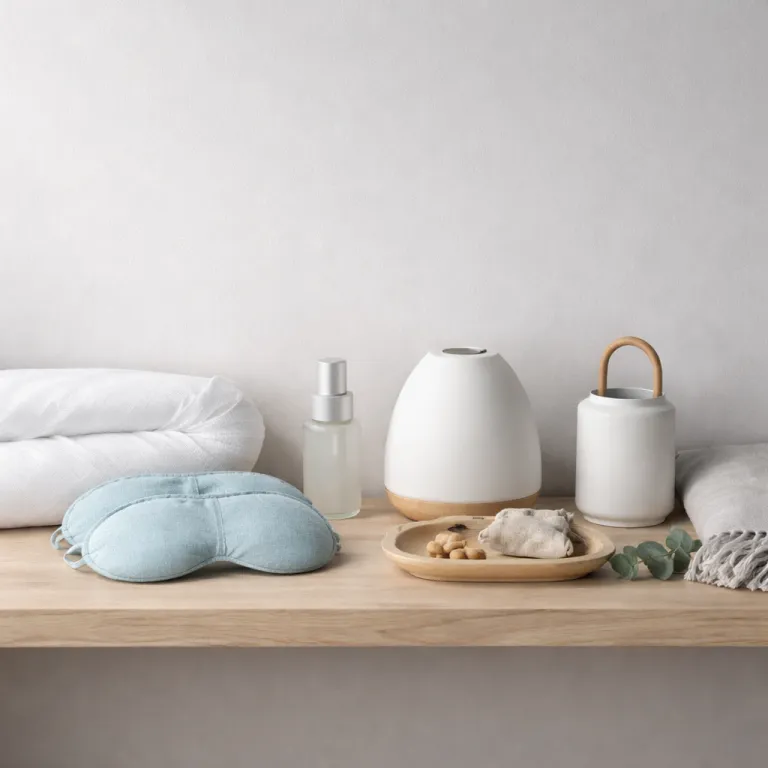
Why sleep is the real luxury on an African safari
On an African safari in Zimbabwe, the most transformative luxury often happens after dark. Hospitality research consistently shows that sleep quality shapes how a person rates their entire lodge experience, more than décor, cuisine or even game drives. In one 2023 survey of upscale hotel guests by J.D. Power, over 70% said they would not return to a property if they slept badly, regardless of service or setting. When you are planning a seven night stay, the smartest question is not only which safari lodge has the best wildlife, but which lodges have invested seriously in sleep focused lodge design.
Within Southern Africa, Zimbabwe has become a quiet reference point for how a luxury safari lodge sleep design can balance wilderness immersion with deep rest. Properties in Hwange National Park and along the Zambezi now treat the night as a curated wellness ritual, not a gap between afternoon tea and the morning safari camp wake up call. For couples used to premium city hotels, this shift means you can enjoy the full drama of an African night while still sleeping as well as you do at home, sometimes better.
Think of each camp lodge as a sleep studio placed inside a game reserve, with every decision about canvas, stone, glass and sound shaping how your body recovers. A well designed safari lodge in Zimbabwe will manage temperature, insects and noise so precisely that you barely register the tented walls, only the soft hush of the bush. That is where true lodge luxury lives for many repeat guests, and it is the standard we use when we review lodges for our Zimbabwe safari accommodation guides.
Bedding, climate and the architecture of rest
Start with the bed, because no safari experience can compensate for a thin mattress or scratchy sheets. In the best safari lodges, you will find deep mattresses, high thread count linens and layered duvets that can be peeled back as the African night warms. Many top camps now specify 300–400 thread count cotton, king size beds and mattress toppers of around 5–8 cm as standard. Zimbabwe’s leading camps borrow ideas from places like Xigera Safari Lodge in Botswana and Sandibe Okavango Safari Lodge in the Okavango Delta, where each tented suite is treated as a cocoon rather than just a room with a view.
Canvas and stone behave differently, and couples should read property descriptions carefully before they book. Stone built suites at a river lodge near Victoria Falls or along the Zambezi hold cool air longer, which matters during hot southern African weather patterns that drift north, while tented camps in Hwange or Mana Pools breathe better but need thoughtful insulation for winter nights. Look for details such as ceiling fans, discreet air conditioning, and windows that can be fully screened so you can sleep with the sounds of the wilderness without inviting insects into your bed.
Some of the most considered lodge design in the region appears in newer camp concepts like Noka Camp in South Africa’s Lapalala Wilderness, where large tented suites use natural ventilation and solar power to stabilise temperature. These ideas echo across Zimbabwe’s luxury safari scene, even if the names change from camp to camp and from one safari lodge to another. When you see references to sustainable materials, local stone and thick thatch, you are usually looking at a lodge that has thought seriously about how your body will feel at three in the morning.
Light, sound and the choreography of the African night
Once the bedding and temperature are right, light and sound become the next frontier in luxury safari lodge sleep design. Generator hum, badly placed pathway lights and harsh bedside lamps can turn an African safari dream into a restless night. The most refined camps in Zimbabwe now use low level warm lighting, lantern protocols and battery systems that keep your tented suite quiet while still safe.
Ask how a lodge manages power before you commit to seven nights in one location. Some safari camps run generators only during specific hours, for example 06:00–10:00 and 16:00–22:00, then switch to in room battery inverters, which means you can sleep without mechanical noise while still charging cameras for the next day’s game drives. Others use solar fields and storage batteries so that even a remote safari camp in a private game reserve can offer silent fans, gentle bedside reading lights and subtle exterior markers that guide you back from the fire without flooding the wilderness with glare.
Sound is curated too, not just tolerated, when a camp takes sleep seriously. Good tented camps position suites to minimise noise bleed between neighbours, so you hear hyenas and the distant calls of lions, not your next door person zipping a bag. In river lodge settings near the Zambezi, the rush of water becomes a natural sound blanket, while in drier Hwange concessions the design might lean on thicker canvas and clever landscaping to soften the crackle of the bush around your safari lodge.
Star beds, rituals and how couples really unwind
Zimbabwe has been early to the idea that a night under the stars can be as memorable as a big cat sighting. Elevated platforms and star bed decks, inspired by innovations like the Baobab Treehouse concept in other parts of Africa, now appear at several camps, but not all are equal. The best versions feel like fully fledged tented suites in the sky, with proper mattresses, mosquito netting and a clear protocol for how staff manage safety in a working game reserve.
When you see a star bed or treehouse option attached to a safari lodge, ask whether it is integrated into the main camp lodge operation or treated as a marketing extra. Serious operators in Zimbabwe will talk you through the timing, the distance from the main camps and how they handle calls during the night if you feel uncomfortable. A well run star bed evening can be the highlight of a luxury safari, but a poorly planned one, too close to a busy path or without proper bedding, can leave you tired for the next day’s safari experience.
Pre sleep rituals matter just as much as the hardware. The most thoughtful lodges in Zimbabwe favour quiet fires, hot water bottles slipped into beds, herbal teas and the natural soundtrack of the African wilderness over forced entertainment or loud bars. One lodge manager summarised it simply: “If guests are yawning at dinner because of the bar, we have failed; if they are yawning because they are relaxed, we have succeeded.” When you compare properties or read features on innovative spaces and inspired experiences in Zimbabwean hospitality, pay attention to how each camp describes its evenings, because that is where couples often find the deepest sense of connection.
Designing a seven night Zimbabwe itinerary around recovery
For a couple planning a week in Zimbabwe, the smartest strategy is to build the itinerary around two recovery anchors. Think of starting and ending with lodges that excel at sleep focused interior design, then placing more adventurous tented camps or mobile style safari camps in the middle. This way, you enjoy the full spectrum of wilderness immersion without sacrificing the restorative power of a truly quiet night.
A classic pattern might pair a calm river lodge near Victoria Falls with a more remote Hwange safari lodge that offers intense game drives and walking safaris. Another option is to combine a canvas heavy camp lodge in a private concession with a more solidly built property closer to a national park gateway town, where spa facilities and private plunge pools help your body reset. Either way, the goal is to let your nervous system downshift at least twice during the trip, so the drama of an African safari never tips into exhaustion.
When you evaluate lodges in Zimbabwe, look beyond headline wildlife and ask detailed questions about sleep. How many tented suites share each generator, how is light managed on paths at night, and what is the policy on early departures for game drives. The most guest focused safari lodges will adjust wake up times, offer flexible breakfast options and shape the entire camp rhythm around the idea that a rested person notices more on every drive, walk and river cruise.
Lessons from across Africa for Zimbabwe’s luxury lodge design
Zimbabwe does not exist in a vacuum, and its best designers pay close attention to what works elsewhere in Africa. Properties like Xigera Safari Lodge in Botswana, Noka Camp in South Africa and Sandibe Okavango Safari Lodge in the wider Okavango region have shown how local materials, solar power and natural ventilation can support both sustainability and sleep. Their approach aligns with the broader movement in which “high end amenities, personalized services, and unique design elements” define what makes a safari lodge luxury, while “many prioritize sustainability through design and operations” and “by using local materials, art, and design inspired by traditional architecture.”
These ideas travel well into Zimbabwe, where new camps increasingly use local timber, stone and thatch to blend into the wilderness while keeping interiors calm and cool. The innovation is not about copying a Singita property in South Africa or a camp in the Serengeti or near the Mara River, but about translating that level of care into Zimbabwean contexts and budgets. You will see this in the way some lodges orient beds toward waterholes for moonlit game viewing, or how a camp lodge might angle its tented suites to catch prevailing breezes without sacrificing privacy.
For couples comparing options across the continent, the message is simple. A luxury safari in Zimbabwe can now match the sleep standards of more famous safari lodges in South Africa or the Mara, while often offering a quieter, more intimate safari experience. Focus on the details of lodge design, from private plunge pools to lantern placement, and you will find that the true measure of a night in the African wilderness is how deeply you rest between one game drive and the next.
FAQ
What makes a luxury safari lodge sleep design different in Zimbabwe
Zimbabwean lodges tend to balance wilderness immersion with serious attention to rest, using thick canvas, local stone and careful lighting to keep suites cool, dark and quiet. Many camps limit generator hours, rely on solar power and design tented suites to maximise natural ventilation. This combination allows couples to hear the African night while still enjoying bedding, linens and climate control that match premium city hotels.
Are luxury safari lodges eco friendly while still offering good sleep
Many luxury safari lodges in Zimbabwe now integrate sustainable building materials, solar power and natural ventilation without compromising comfort. These design choices reduce noise and vibration from generators, which directly improves sleep quality. When you research a safari lodge, ask about power systems, insulation and how the camp manages light pollution at night.
How should couples structure a seven night safari for better recovery
A practical approach is to book two sleep focused lodges as anchors, one at the start and one at the end of the trip. In between, you can choose more adventurous tented camps or mobile style safari camps that prioritise immersion in the game reserve. This pattern lets you enjoy intense game drives and walks while still having several nights of deep, hotel level rest.
Are star beds and treehouse sleep outs really comfortable
When well executed, star beds in Zimbabwe use full mattresses, proper linens and secure mosquito netting, making them as comfortable as the main tented suites. The best camps treat them as an extension of the lodge, with clear safety protocols and easy communication with staff during the night. Before booking, ask how far the platform is from camp, what bedding is used and how they handle weather changes.
How far in advance should I book a luxury safari lodge in Zimbabwe
High quality safari lodges and tented camps in Zimbabwe often run at strong occupancy in peak dry season, with popular properties filling many months ahead. It is wise to book several months ahead if you want specific tented suites, private plunge pools or star bed experiences. Early planning also allows you to shape a seven night itinerary around the lodges that take sleep design most seriously.