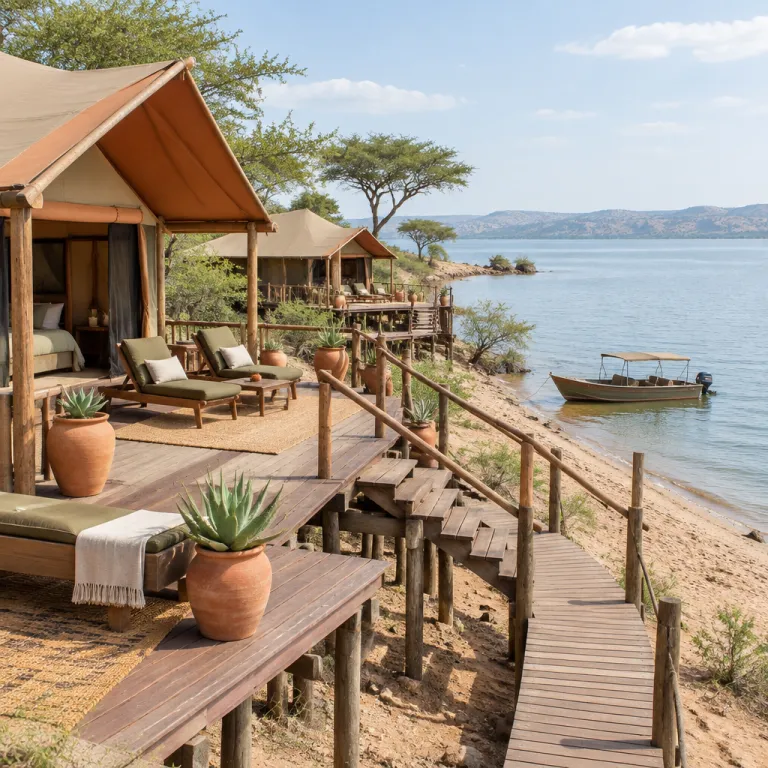
Kariba Africa as a luxury safari base on Lake Kariba
Kariba Africa is often used as a shorthand for the luxury safari experiences centred on Lake Kariba in Zimbabwe. This vast Zimbabwe lake evokes a stretch of shimmering water framed by rugged hills, where high-end lodges and intimate safari camps overlook one of the largest man-made lakes in southern Africa. Along the wide expanse of Lake Kariba, discerning travellers discover a rare mix of water-based adventure, classic game viewing and refined safari comfort that defines many premium trips in this part of Africa.
The lake itself was created by the Kariba Dam on the Zambezi River, a monumental engineering project that forever linked Zambia and Zimbabwe through shared water and power. According to the Zambezi River Authority, Lake Kariba covers about 5,400 square kilometres at full supply level and the dam has an installed capacity of roughly 1,830 megawatts, supplying both countries with hydroelectric energy. Today, guests arrive in Kariba town or by air charter, then transfer by boat across the calm water to an exclusive lodge or safari camp. From the moment you leave town Kariba behind, the horizon opens to lake islands, distant escarpments and the hazy outline of Matusadona National Park on the Zimbabwe side of the Zambezi River.
For travellers comparing safari regions in Africa, Lake Kariba stands apart because it combines classic game viewing with a strong sense of place around the water. You can spend the morning tracking game on foot in a private concession, then return to your lodge deck for lunch overlooking Lake Kariba and the Zambezi River valley. This duality appeals to guests who want both a traditional Zimbabwe safari and the soothing rhythm of a vast inland lake that feels almost oceanic, yet remains firmly rooted in the landscapes of Zambia Zimbabwe and wider southern Africa.
Choosing the right lodge or safari camp around Lake Kariba
Luxury accommodation around Lake Kariba ranges from intimate tented suites to expansive villas with private pools. On the Zimbabwe lake shoreline, properties such as Changa Safari Camp, Bumi Hills Safari Lodge and Musango Safari Camp offer polished service, fine dining and curated activities including boating and activities fishing. Each Lake Kariba lodge positions itself differently, so your ideal choice depends on whether you prioritise privacy, family facilities, photographic hides or intense game viewing in and around the national park.
Many travellers hear about Changa and then learn that Changa Safari Camp sits on a private concession within the Matusadona National Park buffer zone. This location on the eastern side of Lake Kariba gives guests direct access to both the water and the bush, including guided walks and boat-based game viewing along the Zambezi River-fed shoreline. When you book a stay at Changa Safari or at Camp Changa, you are effectively reserving a front-row seat to the interplay between lake, river and wildlife that defines Lake Kariba and the broader Kariba Africa safari experience.
Eco-conscious guests often ask how sustainable a lodge or safari camp can be in such a fragile environment. Before confirming a trip, it is worth reading independent assessments of eco lodges in Zimbabwe and how their sustainability claims hold up, such as the detailed review of eco lodges in Zimbabwe referenced by regional tourism bodies. Around Lake Kariba, leading properties now invest in solar power, careful water treatment and low-impact building, which helps protect both the Zambezi River catchment and the wildlife corridors that link Zambia and Zimbabwe while supporting responsible tourism in this man-made lake landscape.
Safari experiences on water and land in Kariba Africa
Safari days on Lake Kariba unfold at a gentler pace than in some busier national parks. Early mornings often begin with coffee on the deck as the first light touches the water and distant hills. Then your guide may suggest a boat-based safari along the shoreline, scanning for elephants wading in the shallows, hippos surfacing near the reeds and crocodiles basking on sandbanks while fish eagles call above the lake islands.
Because the Zambezi River was dammed to create this vast lake, the drowned forests now form haunting silhouettes where fish eagles perch and hunt. These same trees provide structure for rich activities fishing, especially for tigerfish and bream, which many lodges include in their daily programmes. Guests who enjoy both safari and angling often say that Lake Kariba offers one of the most balanced trips in southern Africa, with time on the water and time in the bush, and that this combination makes Kariba Africa feel different from more conventional inland parks.
Families sometimes worry about what children will eat or how they will cope with long game drives. Many premium lodges around Lake Kariba have adapted menus and flexible schedules, and it is useful to consult a practical Zimbabwe safari food guide for parents before finalising your booking. With the right lodge choice, a safari camp on the shores of Lake Kariba can feel both adventurous and reassuring, especially when staff understand how to pace activities for younger travellers and tailor game viewing to different ages.
Matusadona National Park and the wild heart of Lake Kariba
Matusadona National Park forms the wild backbone of the Zimbabwe side of Lake Kariba. This rugged protected area stretches from the lake shore up into steep hills, creating a mosaic of habitats for elephant, buffalo, lion and an impressive range of plains game. When travellers speak about the essence of Kariba Africa, they often mean the combination of this Matusadona National Park wilderness with the vast water of the lake and the dramatic escarpment that rises above the Zambezi River.
Game drives in Matusadona National Park typically follow the shoreline or climb into the escarpment, where views back over the lake are spectacular. On some days, you might spend the morning walking with a professional guide, then return by boat to your lodge as the sun sets behind the lake islands. This interplay between land-based safari and water-based transfer is a hallmark of Lake Kariba and sets it apart from many other parks in southern Africa, particularly for guests who enjoy quieter, more contemplative game viewing.
Because the park lies within the broader Zambezi River ecosystem, conservation efforts here affect both Zimbabwe and Zambia. Cross-border initiatives between Zambia and Zimbabwe aim to protect migratory routes and maintain healthy populations of large mammals that move between the two countries. When you choose a lodge that supports these projects, your trip to Lake Kariba contributes directly to safeguarding one of Africa’s most distinctive lake and national park combinations, as highlighted by the Zimbabwe Parks and Wildlife Management Authority and other regional conservation partners.
History, safety and the legacy of the Kariba Dam
The story of Kariba Africa cannot be separated from the history of the Kariba Dam and the communities displaced when the Zambezi River was blocked. Construction of the dam in the late 1950s created Lake Kariba, turning a stretch of river into what many call one of the largest man-made lakes in the region. This transformation brought hydroelectric power to both Zambia and Zimbabwe, but it also reshaped ecosystems and human lives, a legacy documented by regional historians and the Zambezi River Authority in their accounts of how the Kariba Dam changed southern Africa.
Travellers sometimes hear about the tragic ferry disaster that occurred on Lake Kariba and ask how it affects modern safety standards. The 1993 sinking of the MV Julius Nyerere on the lake, which recorded a significant death toll, led to stricter regulations for any ferry or passenger vessel operating on the water. Today, reputable lodges and safari operators use well-maintained boats, trained crews and clear communication with local police and maritime authorities to ensure safe transfers across the water and to remote safari camps.
In Kariba town and the wider town Kariba area, you will notice a visible presence of Zimbabwe police, particularly around the harbour and main road. Their role includes monitoring traffic, supporting tourism security and coordinating with park rangers when necessary, especially during the busy August holiday period. For guests, this means that a trip to Lake Kariba now combines the romance of Africa’s great waterways with modern safety practices shaped by hard-learned lessons from the dam era and the ferry disaster.
Planning your premium trip: routes, seasons and wider Zimbabwe
Planning a luxury trip to Kariba Africa starts with choosing your route into Zimbabwe. Many guests fly into Harare or Victoria Falls, then connect by light aircraft to Kariba town or directly to a lodge airstrip. Others arrive overland from Zambia, crossing the border before boarding a boat transfer across the lake to their chosen safari camp or lodge, which can be an atmospheric way to first discover Lake Kariba and its sweeping views.
Seasonality matters, especially if you want to combine Lake Kariba with other regions of Zimbabwe or with Zambia. The dry months, including August, usually offer the best game viewing as animals concentrate along the lake shore and the Zambezi River channels. During this period, water levels are often lower, which can make it easier to access certain lake islands and to enjoy activities fishing from both shore and boat, while afternoon temperatures remain comfortable for relaxed time at your lodge.
Many travellers pair Kariba Africa with the Eastern Highlands or with classic safari areas such as Hwange National Park. If you are considering Zimbabwe’s mountain lodges as part of a longer itinerary, the analysis of why Zimbabwe’s mountain lodges deserve a place at the luxury table offers useful context in regional travel literature. Combining these regions allows you to experience Zimbabwe lake landscapes, highland forests and traditional savannah parks in a single, carefully structured journey that showcases the diversity of southern Africa.
Cross border perspectives: Zambia Zimbabwe and the wider southern Africa context
Kariba Africa sits at a crossroads between Zambia and Zimbabwe, both geographically and culturally. The Zambezi River once marked a clear boundary here, but the creation of Lake Kariba blurred that line and encouraged shared management of water and wildlife. Today, many itineraries link Zambia Zimbabwe combinations, such as Victoria Falls with Lake Kariba and then onward to the Lower Zambezi or other parts of southern Africa, creating multi-country trips that highlight different sides of the river.
From a safari perspective, Lake Kariba offers a softer, more contemplative experience than some high-density game areas in southern Africa. You still see elephant, hippo and a wide range of game, but the rhythm is shaped by the water and by long, golden sunsets over the lake. Guests often comment that evenings on the deck of a lodge or safari camp here feel more like time on a private island than on an inland reservoir, especially when the lights of distant boats glimmer across the water.
As you plan, remember that each camp, lodge and safari operator around Lake Kariba has its own style, from classic tented safari camp experiences to more contemporary villas. Some focus heavily on activities fishing and boating, while others emphasise walking safaris and photographic hides along the shore. By clarifying whether you want to prioritise water-based relaxation, intense game viewing or a balanced mix, you can shape a Lake Kariba itinerary that feels both luxurious and deeply rooted in this remarkable corner of Africa.
Key figures and context for Lake Kariba and Kariba Africa
- Lake Kariba covers roughly 5,400 square kilometres at full supply level, making it one of the largest man-made lakes in the world and a defining feature of tourism in both Zambia and Zimbabwe (figures from the Zambezi River Authority).
- The Kariba Dam supplies hydroelectric power to Zambia and Zimbabwe, with installed capacity of more than 1,800 megawatts, which underpins economic activity across much of southern Africa (data from the Zambezi River Authority and national power utilities).
- Matusadona National Park protects around 1,400 square kilometres of shoreline and inland hills along Lake Kariba, providing critical habitat for elephant, buffalo and other large mammals that support the safari economy (data from the Zimbabwe Parks and Wildlife Management Authority).
- Tourism studies indicate that water-based activities such as boating and fishing on Lake Kariba can account for more than 40 percent of guest activity time at some lodges, highlighting how central the lake is to the Kariba Africa experience (regional tourism board reports).
FAQ about luxury stays and safaris in Kariba Africa
Is Lake Kariba safe for luxury travellers today ?
Yes, Lake Kariba is considered safe for visitors who book through reputable lodges and operators that comply with modern boating and safety regulations. The legacy of the historic ferry disaster and its high death toll led to stricter oversight of passenger vessels and closer coordination with Zimbabwe police and maritime authorities. Guests should still follow lodge guidance on life jackets, boat capacity and wildlife distances, as they would on any major lake in Africa.
What is the best time of year to visit Kariba Africa for safari ?
The prime safari season on Lake Kariba usually runs during the dry months, roughly from late May through October, with August often offering excellent visibility and concentrations of game along the shoreline. During this period, vegetation is thinner and animals gather at remaining water sources, including the lake edge and inland pans. Green season visits can be rewarding for birding and dramatic skies, but access to some areas may be more limited.
How many days should I spend at a lodge on Lake Kariba ?
For a balanced experience of water-based activities and land-based safari, plan at least three to four nights at a single lodge or safari camp on Lake Kariba. This allows time for game drives, boat cruises, activities fishing and some unhurried afternoons on the deck overlooking the water. Guests combining Kariba Africa with other regions of Zimbabwe or Zambia often allocate five to seven nights in total to the broader Zambezi River area.
Can I combine Lake Kariba with other safari destinations in Zimbabwe and Zambia ?
Yes, many itineraries link Lake Kariba with Victoria Falls, Hwange National Park or the Lower Zambezi in Zambia, creating a varied circuit across Zambia Zimbabwe. Light aircraft connections and boat transfers make it relatively straightforward to move between these areas while maintaining a high level of comfort. Working with a specialist in luxury African travel helps ensure that flight timings, park fees and cross-border logistics align smoothly.
What types of activities are available besides traditional game drives ?
Beyond classic game drives, guests at Lake Kariba lodges can enjoy boat cruises, guided walks, activities fishing for tigerfish and bream, birding and sometimes cultural visits to nearby communities. Many properties also offer photographic hides, spa treatments and private dining on decks overlooking the lake islands and the distant escarpment. This variety makes Kariba Africa particularly appealing for mixed groups where some travellers prioritise safari intensity while others seek relaxation by the water.
References
- Zimbabwe Parks and Wildlife Management Authority
- Zambezi River Authority
- Zimbabwe Tourism Authority