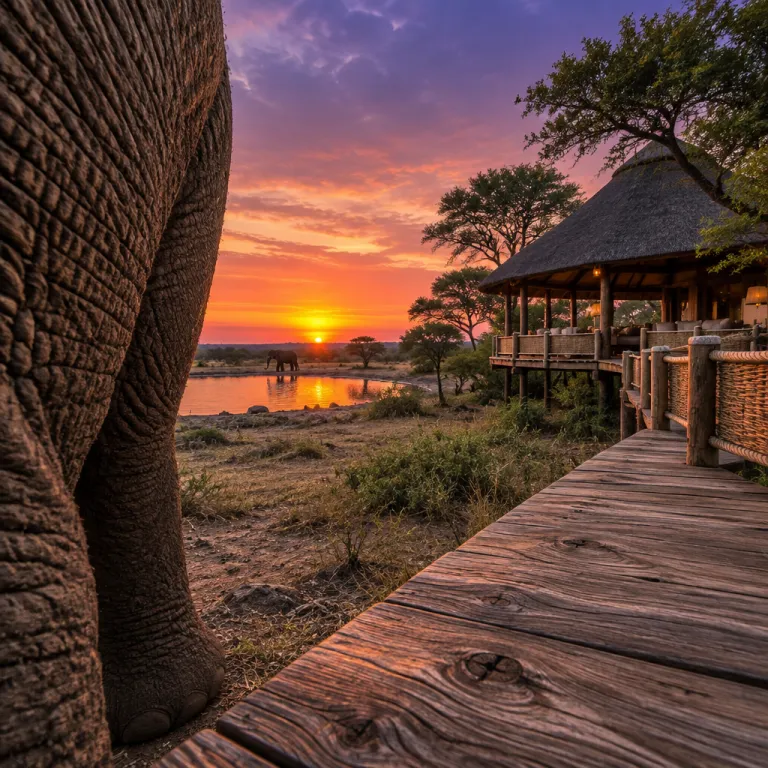
Hwange National Park: why this Zimbabwe park defines luxury safari stays
Hwange National Park is the largest national park in Zimbabwe and a benchmark for refined safari travel. This vast reserve stretches across about 14,650 square kilometres, with landscapes that shift from teak forest in the north to open plains and Kalahari sandveld near Main Camp. Such scale creates exceptional game viewing, and it also allows a wide range of luxury accommodation options that suit different travel styles.
Travellers often pair Hwange National Park with Victoria Falls to balance intense wildlife with the drama of the Zambezi River. The falls are about 180 kilometres from the park, so you can fly between Victoria Falls and Hwange’s main airstrips in under an hour, or drive via the main road in roughly four hours, depending on conditions. This easy connection means you can enjoy a luxury safari in Hwange National Park and then end your journey with a riverfront lodge near the falls.
Within Hwange National Park, the reserve is managed by Zimbabwe Parks and Wildlife Management Authority (ZimParks), which oversees conservation, roads, and the critical pumped waterhole network. These waterholes are lifelines in the long dry season, drawing elephants, buffalo, and predators into concentrated areas for unforgettable game viewing. For guests, that means a well chosen safari lodge near a busy waterhole can feel like a private concession, with wildlife action unfolding just metres from the deck.
Luxury safari travellers can choose between classic lodges, intimate tented camp properties, and remote safari camps in private concession style areas. Around Main Camp, accommodation ranges from simple chalets to higher end lodges that offer air conditioned rooms and easy access to the tarred road. Deeper inside Hwange National Park, tented suites and tented camp options such as Davison Camp or Camp Hwange focus on immersive wildlife experiences rather than urban style amenities.
Each safari lodge in Hwange National Park has a distinct character, so your choice should reflect how you like to travel. Some safari camps emphasise walking safaris and tracking, while others focus on vehicle based game drives and photographic hides at a busy waterhole. When you understand the park’s layout, the season, and the style of each camp, you can match your expectations to the right Hwange National Park stay.
Choosing your Hwange National Park area: north, Main Camp, and private locations
Hwange National Park is not a single uniform landscape, and each sector offers a different safari rhythm. The north of the park, closer to the Sinamatella and Robins areas, is more rugged, with hills, mopane woodland, and pans that attract wildlife in the late dry season. This northern region suits travellers who enjoy a wilder feel and do not mind longer game drives between sightings.
The central and south eastern zones around Main Camp and the primary Hwange entrance are more accessible, with a denser network of roads and pumped pans. Here, safari camps and lodges often sit near a permanent waterhole, which becomes a magnet for elephants and plains game as the dry season intensifies. If you prefer shorter game drives and reliable sightings, a lodge near Main Camp or along the main road corridor can be ideal.
Some Hwange National Park properties operate on land that functions like a private concession, even though the area remains part of the national park system. These safari camps limit vehicle numbers at sightings and control off road access more carefully, which enhances the feeling of exclusivity. For guests, that means quieter game viewing and more flexibility for activities such as night drives or extended walking safaris.
Camp Hwange, for example, is a tented camp in the north western sector that focuses on walking and close wildlife encounters. Its tented suites overlook a productive waterhole, and the camp’s position away from Main Camp reduces traffic from day visitors. Davison Camp, by contrast, lies in a private style area of the south eastern Hwange National Park, with a busy waterhole that draws huge elephant herds in peak dry season.
Many travellers combine Hwange National Park with other Zimbabwe highlights such as Lake Kariba, using curated itineraries that link different ecosystems. If you are considering elevated lake stays, a resource like this guide to Kariba lake safaris and inland sea lodges can help you understand how Hwange fits into a broader journey. By pairing Hwange National Park with Kariba and Victoria Falls, you create a multi stop luxury safari that feels varied yet logistically smooth.
When comparing Hwange National Park areas, think about your tolerance for remoteness, transfer times, and the level of comfort you expect. A star rated lodge near the main road may offer faster access and more conventional facilities, while a remote tented camp in the north trades some convenience for solitude. Both options can deliver a luxury safari, but the daily experience will feel very different.
Seasonality in Hwange National Park: when to visit for the best game viewing
Hwange National Park is a genuine year round destination, yet the season you choose will shape your safari. The long dry season, which typically runs from about May to October, is the classic time for intense game viewing around pumped pans and natural waterholes. As surface water disappears across the park, wildlife concentrates around these busy waterhole sites, creating dramatic scenes of elephants jostling for space and predators waiting nearby.
During the driest months, Hwange National Park can feel almost cinematic, with dust, golden light, and vast herds moving between pans. Safari camps near permanent waterholes, such as Camp Hwange or Davison Camp, often deliver outstanding sightings directly from the lodge deck. Game drives at this time focus on water sources and open plains, where guides can track lions, cheetahs, and wild dogs more easily.
The green season brings a different Hwange National Park personality, with fresh grass, migrant birds, and scattered surface water. Wildlife disperses more widely across the park, so game viewing can be less concentrated, yet the landscapes feel lush and photogenic. Rates at many safari lodges and tented camps drop in this season, which can be attractive for travellers seeking value and quieter properties.
For many guests, the shoulder season between peak dry months and the first rains offers a compelling balance. Temperatures are warming, wildlife still gathers at key waterholes, and some camps begin to introduce lower rates. To understand how this timing works across Zimbabwe, consult a specialist overview such as this analysis of September as a shoulder season window.
When planning a Hwange National Park itinerary, align your expectations with the realities of each season. If your priority is intense elephant action at a busy waterhole, then the late dry season around Main Camp and the central pans is ideal. If you prefer fewer vehicles and greener scenery, consider the early dry or late green months, when national parks are quieter and birdlife is at its peak.
Luxury safari travellers should also consider how season affects comfort in tented suites and tented camp properties. Canvas structures breathe well in the dry season nights, but midday heat can be strong, so shaded decks and ceiling fans matter. In cooler months, ask your safari lodge about hot water bottles, warm bedding, and how they heat the main areas during evening meals.
Hwange National Park accommodation styles: lodges, tented camps, and safari camps
Accommodation in Hwange National Park ranges from classic masonry lodges to intimate tented suites and remote safari camps. A traditional safari lodge usually offers solid walled rooms, en suite bathrooms, and often a swimming pool, which suits travellers who value conventional comfort. These lodges are common near Main Camp and along the main access routes, where logistics and supply lines are easier.
Tented camp properties in Hwange National Park provide a different kind of luxury, centred on atmosphere and proximity to nature. Canvas walls allow you to hear lions calling and elephants rumbling at the waterhole, while still enjoying proper beds, hot showers, and fine dining. Many tented suites now include solar power, charging points, and high quality linens, so the experience feels refined rather than rustic.
Safari camps such as Camp Hwange and Davison Camp blend the tented camp aesthetic with highly personalised guiding and flexible activities. These safari camps often sit in areas that function like a private concession, with limited vehicle numbers and exclusive access to certain pans or plains. For serious wildlife enthusiasts, this combination of private style access and expert guiding can be more valuable than an extra star rating on paper.
Hwange National Park also offers smaller, owner run safari camps that prioritise guiding quality and conservation impact. These properties may not have the largest pools or most elaborate spas, yet they often deliver exceptional game viewing and a strong sense of place. When evaluating options, look beyond the word luxury and consider how each camp invests in guides, vehicles, and community partnerships.
Many travellers pair Hwange National Park accommodation with a stay near Victoria Falls, creating a classic Zimbabwe circuit. You might spend three nights at a tented camp overlooking a busy waterhole, then move to a riverfront lodge near the falls for sunset cruises and cultural visits. For detailed planning around the bridge and cross border logistics, consult a specialist resource such as this refined traveller’s guide to Victoria Falls Bridge.
When comparing Hwange National Park properties, ask specific questions about room size, maximum guest numbers, and how many vehicles share each sighting. A smaller safari lodge with only eight tented suites can feel more exclusive than a larger property with many rooms, even if both call themselves luxury. Clarify whether your chosen camp includes game drives, park fees, and transfers in the nightly rate, so you can compare total trip costs accurately.
Designing a Hwange National Park itinerary with Victoria Falls and beyond
Hwange National Park combines naturally with Victoria Falls and other Zimbabwe highlights to create a balanced itinerary. Many travellers start at the falls, spending two or three nights at a lodge or hotel overlooking the Zambezi River. From Victoria Falls, you can connect by road or light aircraft to Hwange’s main airstrip or to smaller strips serving specific safari camps.
A classic one week luxury safari might include three nights in Hwange National Park followed by three nights at Victoria Falls. In Hwange, you could split your stay between a tented camp in the north and a safari lodge near Main Camp, experiencing both remote wilderness and easier access. At the falls, you might choose a riverfront lodge with a private style setting, where you can relax after early morning game drives and long days in the park.
For longer journeys, travellers often add Lake Kariba or Mana Pools to the Hwange National Park and Victoria Falls combination. Kariba offers houseboats and lakeside lodges, while Mana Pools delivers canoeing and walking safaris along the Zambezi floodplain. Each additional destination adds another ecosystem, so your overall Zimbabwe safari feels more varied and complete.
When planning, consider how many internal flights or long road transfers you are comfortable with. Hwange National Park airstrips are well connected, yet each hop adds cost and time, which can affect your overall budget. A focused itinerary that uses one or two regions of Hwange and a single add on such as Victoria Falls can be more relaxing than a rushed multi stop circuit.
Luxury safari travellers should also think about how many nights to spend in each Hwange National Park camp. Two nights at a single safari lodge can feel short, especially if you arrive late on day one and depart early on day three. Three or four nights in one camp allows you to settle into the rhythm of game drives, walking safaris, and time at the busy waterhole near camp.
For those combining Hwange National Park with other African destinations, Zimbabwe often compares favourably on value and crowd levels. National parks here tend to feel less congested than some famous reserves elsewhere, especially outside peak dry season. By choosing your Hwange National Park camps carefully, you can enjoy a luxury safari experience that feels both exclusive and authentic.
What to expect on a Hwange National Park luxury safari: activities and daily rhythm
A typical day on a Hwange National Park luxury safari starts before sunrise with coffee and a light snack. Guests then head out on morning game drives, when predators are active and temperatures are cool. In areas that function like a private concession, guides may also offer walking safaris or tracking sessions on foot.
Game drives in Hwange National Park usually last three to four hours, with a coffee stop at a scenic pan or waterhole. Guides focus on key habitats, from open plains where cheetahs hunt to teak forests where elephants browse quietly. In the dry season, many drives revolve around a network of pumped pans, where wildlife congregates and interactions between species become intense.
After the morning activity, guests return to camp for brunch and time at leisure. At a tented camp or safari lodge overlooking a busy waterhole, you can often continue game viewing from the comfort of a shaded deck or pool lounger. Elephants, buffalo, and antelope may come and go throughout the day, while predators sometimes rest in the shade nearby.
The afternoon brings another game drive or alternative activity, depending on your Hwange National Park camp. Some safari camps offer hides near waterholes, where photographers can capture low angle images of drinking elephants and birds. Others focus on extended drives that end with sundowner drinks on a ridge or open plain, watching the light fade over the park.
In certain Hwange National Park areas that operate with private style rules, night drives are possible after dark. These outings use spotlights to search for nocturnal species such as civets, genets, and owls, adding another dimension to your safari. Always confirm with your chosen camp whether night drives are allowed in their section of the national park, as regulations vary.
Back at camp, evenings revolve around the firepit, shared stories, and multi course dinners in the main dining area. Luxury safari lodges in Hwange National Park often serve fine Zimbabwean wines and locally inspired cuisine, blending comfort with a sense of place. By the time you return to your tented suites or rooms, the sounds of the park at night remind you that this is still a wild landscape beyond the lantern light.
Practical booking advice for Hwange National Park luxury and premium stays
Booking a Hwange National Park luxury safari requires more than simply choosing a star rating. Start by clarifying your priorities, such as proximity to a busy waterhole, access to specific wildlife areas, or the desire for a smaller camp. Then match those preferences to the different Hwange National Park regions and the styles of safari camps available.
Work with a specialist who understands Hwange National Park logistics, including airstrip locations, transfer times, and seasonal road conditions. They can advise whether a tented camp in the north or a lodge near Main Camp better suits your travel dates and expectations. For example, some remote camps may close in the wettest months, while others remain accessible year round.
When comparing Hwange National Park accommodation, look closely at what is included in the nightly rate. Many safari lodges and tented camps operate on a fully inclusive basis, covering meals, local drinks, game drives, and national park fees. Others may charge separately for certain activities or transfers, which can affect the overall value of your stay.
Ask detailed questions about guiding standards, vehicle policies, and maximum guest numbers per drive. A camp that limits vehicles at sightings and caps guests per vehicle often delivers a more exclusive game viewing experience. In Hwange National Park, where wildlife density can be high around waterholes, these policies make a tangible difference to your enjoyment.
Consider how Hwange National Park fits into your broader Zimbabwe or regional itinerary, especially if you are also visiting Victoria Falls or other national parks. Booking all components through a single trusted operator can simplify payments, transfers, and emergency support. It also helps ensure that flight schedules, road transfers, and park entry times align smoothly.
Finally, secure travel insurance that covers medical evacuation from remote Hwange National Park areas, as well as trip interruption. While Zimbabwe’s safari industry is well established, distances between camps, airstrips, and hospitals can be significant. Thoughtful planning at the booking stage allows you to relax once you arrive, focusing fully on the wildlife, landscapes, and quiet luxury of your Hwange National Park safari.
Key figures for Hwange National Park luxury safaris
- Hwange National Park covers about 14,650 square kilometres, making it Zimbabwe’s largest protected area and significantly larger than many well known African reserves (figure reported by Zimbabwe Parks and Wildlife Management Authority and recent park management plans).
- The park supports one of Africa’s largest elephant populations, with several long term conservation projects indicating tens of thousands of animals; precise numbers vary by survey year, which explains the intense dry season activity at many Hwange National Park waterholes.
- Travel times between Victoria Falls and the Hwange Main Camp area often average three and a half to four and a half hours by road, while light aircraft flights typically take around 35 to 45 minutes, depending on routing and weather (data summarised from Zimbabwe safari operators and recent logistics reports).
- Many luxury safari lodges and tented camps in Hwange National Park limit guest numbers to between 12 and 24 beds, which keeps game drives uncrowded and supports a high guide to guest ratio (information drawn from lodge fact sheets and booking documentation).
- Typical dry season temperatures in Hwange National Park range from about 7–12 °C at night to 25–30 °C during the day, so packing layers is essential for early morning game drives (climate data reported by the Zimbabwe Meteorological Services Department and recent regional climate summaries).
FAQ about Hwange National Park luxury and premium stays
How many days should I spend in Hwange National Park for a luxury safari ?
Most travellers find that three to four nights in Hwange National Park offers a good balance between variety and relaxation. This allows for at least five or six game drives, time at the camp waterhole, and a chance to explore different habitats. If you are combining Hwange National Park with Victoria Falls or another park, consider adding extra nights to avoid feeling rushed.
Is Hwange National Park better than other Zimbabwe national parks for first time visitors ?
Hwange National Park is often recommended for first time safari guests because of its reliable game viewing and diverse accommodation. The park’s network of pumped waterholes supports large elephant herds and predators, which increases your chances of memorable sightings. Other national parks such as Mana Pools or Gonarezhou are superb too, yet Hwange’s access from Victoria Falls makes logistics easier for a first trip.
Can I visit Hwange National Park and Victoria Falls in one trip without rushing ?
Yes, Hwange National Park and Victoria Falls combine very well in a single itinerary of seven to ten days. Many travellers spend three or four nights in Hwange National Park followed by two or three nights at the falls. The relatively short transfer times between the Hwange Main Camp area and Victoria Falls mean you can enjoy both wildlife and the Zambezi River without excessive travel.
What level of luxury can I expect at Hwange National Park safari camps ?
Hwange National Park offers a wide spectrum of luxury, from simple yet comfortable tented camps to high end safari lodges with pools and extensive wine lists. Even the more modest safari camps usually provide en suite bathrooms, quality bedding, and attentive service. At the top end, tented suites may include private decks, outdoor showers, and highly personalised guiding in areas that feel like private concessions.
Is Hwange National Park suitable for families or only for couples on safari ?
Many Hwange National Park lodges and safari camps welcome families, though age limits for walking safaris and some activities apply. Certain properties offer family tents or interleading rooms, as well as private vehicles for flexible game drives with children. When booking, choose a camp with a safe layout, patient guides, and a pool or shaded main area where younger guests can relax between activities.