Hwange national park as the elegant heart of a Zimbabwe safari
Hwange National Park sits in western Zimbabwe and forms one of Africa’s most rewarding luxury safari landscapes. This vast reserve stretches across more than 14 600 square kilometres of Kalahari sandveld, teak forest and open plains that support exceptional wildlife viewing. For travellers comparing a Zimbabwe safari with other African destinations, the combination of Hwange, Victoria Falls and Mana Pools creates a refined circuit with short travel times and strong conservation credentials.
The park itself lies about 100 kilometres from Victoria Falls, which allows you to pair the drama of the falls with quiet days in the bush at intimate safari camps. Many guests fly from Victoria Falls Airport directly into Hwange airstrips, then continue by 4x4 to their chosen camp or camps for seamless game viewing. This ease of access means you can land at the falls airport in the morning and be on an afternoon Hwange game drive among elephants and other species before sunset.
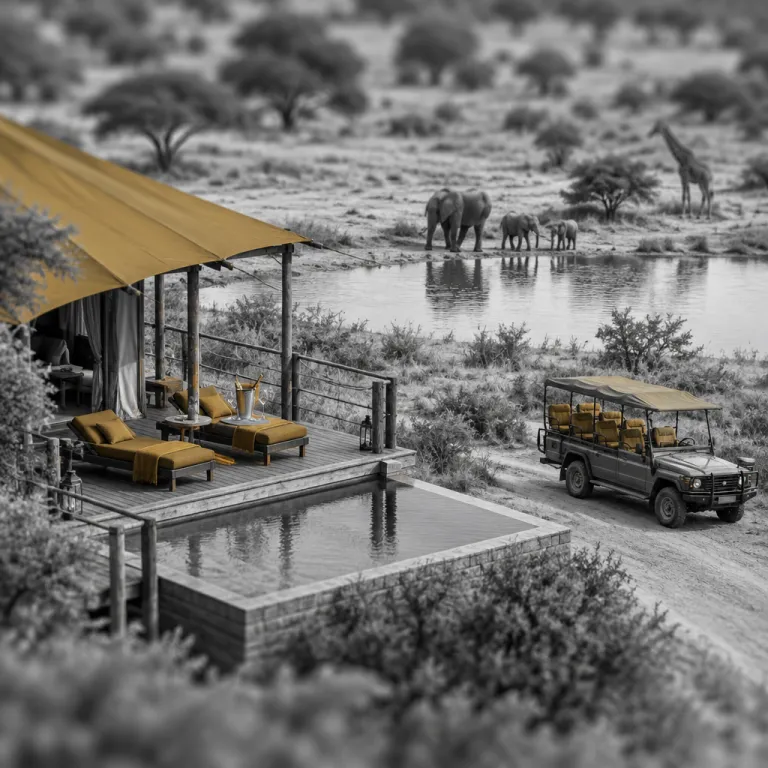
Within Hwange, luxury safari camps range from classic canvas tented suites to contemporary villas, all designed to frame the national park wilderness rather than compete with it. High end properties typically overlook pumped waterholes, which draw large herds of elephants and other wildlife during the dry season when natural pans shrink. Camps such as Little Makalolo, Somalisa and Linkwasha illustrate this polished yet low impact approach, offering a base for game drives, walking safaris and photographic safaris across different habitats for travellers who want to visit Hwange as part of a longer Zimbabwe safari itinerary.
Choosing luxury safari camps and lodges in Hwange national park
Accommodation standards in Hwange national park now rival the best in Africa, with several safari camps delivering fine dining, curated wine lists and attentive guiding. In the private concessions that border the national park, you will find exclusive use villas and tented suites spaced widely apart for privacy and uninterrupted wildlife viewing. Many of these camps sit within easy flying time of Victoria Falls and Mana Pools, which simplifies multi park itineraries across Zimbabwe.
When selecting a camp in Hwange, consider whether you prefer a waterhole setting, a deep bush location or access to open plains for game viewing. Waterhole focused safari camps such as those in central Hwange allow you to watch elephants, buffalo and other species from your deck between game drives, which is ideal for guests who value comfort and minimal movement. More remote camps in the southern and eastern sectors of Hwange national park often emphasise walking safaris and night drives, appealing to travellers who want a more active Zimbabwe safari.
Families planning to visit Hwange should pay attention to room configurations, age limits for walking safaris and child friendly menus. Some luxury camps near Hwange and Victoria Falls now offer dedicated family tents, shorter game drives and flexible dining to suit younger travellers, and parents often appreciate guidance on what children will actually eat on safari in Zimbabwe, which you can explore in this detailed Zimbabwe food guide for families on safari. When you compare options, ask whether rates are quoted per camp or per usd person per night, and clarify what is included, from premium drinks to private vehicles and conservation levies.
Best time and ideal season to visit Hwange national park
Understanding the best time to visit Hwange national park is essential when you are planning a luxury safari. The classic dry season runs roughly from May to October, when vegetation thins and wildlife concentrates around pumped pans, creating superb game viewing and reliable sightings of elephants and other species. During this dry season, many travellers combine Hwange with Victoria Falls and Mana Pools, using short flights to link each park in Zimbabwe while river levels and road conditions remain favourable.
For some guests, the absolute best time to visit Hwange is the late dry season, when water is scarce in the bush and animals gather in extraordinary numbers at waterholes overlooked by safari camps. This period can be hot, yet the intensity of wildlife viewing and the drama of game drives often outweigh the higher temperatures and dust. One family described watching “a seemingly endless line of elephants” at a Hwange pan in October as the moment their Zimbabwe safari moved from holiday to lifelong memory, and if you prefer slightly cooler days and fewer vehicles, consider the shoulder months around September in Zimbabwe, which are explored in depth in this analysis of the shoulder season window between peak prices and the first rains.
The green season, which follows the first rains, transforms Hwange national park into a lush landscape with newborn animals and striking skies. Game viewing can be more challenging when the bush is thick, yet photographers often value the softer light, dramatic clouds and lower rates at many safari camps. If your time visit options are fixed by school holidays or work, a specialist Zimbabwe safari consultant can help you match your preferred season with the right camp, ensuring that your days in Hwange align with your expectations for wildlife viewing and comfort.
Signature safari experiences in Hwange national park
Game drives remain the cornerstone of any Hwange safari itinerary, and luxury camps typically offer morning and afternoon drives in open 4x4 vehicles. These game drives explore different sectors of the park, from teak forests to open vleis, allowing you to track elephants, lions, painted dogs and other species with experienced guides. Because Hwange national park is unfenced along some borders, wildlife moves freely between the park and neighbouring conservancies, which enriches the overall game viewing experience.
Walking safaris in Hwange national park provide a more intimate way to understand the bush, focusing on tracks, birdlife and subtle signs that you might miss from a vehicle. Only highly qualified professional guides lead these walks, and they tailor the pace and distance to your fitness and comfort level, often staying close to camp in areas with good visibility. For many guests, a combination of walking safaris in the cool early hours and relaxed game drives later in the day creates a balanced rhythm that suits both photographers and first time visitors.
Some luxury safari camps in Hwange also offer star bed sleepouts, underground hides at waterholes and specialist photographic safaris. These experiences let you spend extended time near elephants and other wildlife without disturbing natural behaviour, which is particularly rewarding in the dry season when animals visit water sources regularly. When you plan to visit Hwange, ask your consultant which camps in Zimbabwe offer these added experiences, and whether they are included in the nightly rate or charged as an extra per usd person.
Combining Hwange national park with Victoria Falls and Mana Pools
Many luxury travellers choose to pair Hwange national park with Victoria Falls and Mana Pools to experience three distinct faces of Zimbabwe. Victoria Falls offers dramatic views of the Zambezi River plunging into the gorge, along with refined riverfront lodges and easy access via Victoria Falls Airport. From there, short flights connect you to Hwange for classic game viewing and then onward to Mana Pools for canoeing, walking safaris and riverside camps along the lower Zambezi.
When you design a multi park Zimbabwe safari, consider how many days you want to spend in each destination and what pace suits your travel style. A common pattern is two or three days at Victoria Falls, four or more days in Hwange national park, and three days in Mana Pools, which balances sightseeing, game drives and time to relax in camp. One popular sample itinerary starts with a sunset cruise on the Zambezi, continues with four nights at a Hwange waterhole camp, then ends with three nights in a Mana Pools tented camp focused on canoeing and walking safaris.
Logistics between Victoria Falls, Hwange and Mana Pools are straightforward when arranged through a specialist who understands Zimbabwe flight schedules and road conditions. Most luxury itineraries use light aircraft flights between the falls airport, Hwange airstrips and Mana Pools, which reduces travel time and maximises your days on safari. When you compare options, look carefully at whether quoted prices are per camp or per usd person, and ensure that transfers, park fees and conservation contributions for each national park are clearly itemised.
Budgeting, value and practical planning for Hwange national park safaris
Luxury safaris in Hwange national park are typically priced in usd per person per night, including accommodation, meals, local drinks, game drives and park fees. As a broad guide, mid range luxury camps often start from around USD 500 to USD 800 per person per night, while top tier lodges and exclusive use villas can exceed USD 1 500 in peak season. When you evaluate value, consider not only the room quality but also guide calibre, vehicle density in the area and whether walking safaris or night drives are included.
For many guests, the most efficient way to visit Hwange is to book a fully inclusive Zimbabwe safari itinerary that links Victoria Falls, Hwange and Mana Pools under one contract. This approach simplifies payments, ensures coordinated transfers between camps and often secures better availability during peak season. If you prefer more flexibility, you can still combine different safari camps independently, yet you should pay close attention to flight timings from Victoria Falls Airport and between Hwange airstrips to avoid losing days in transit.
Practical planning for Hwange national park includes understanding luggage limits on light aircraft, packing neutral clothing for the bush and arranging comprehensive travel insurance. Because temperatures can vary significantly between early morning game drives and midday in the dry season, layering is essential for comfort. When you plan your time visit, build in at least three or four days in Hwange national park itself, which allows for varied game viewing, some rest in camp and contingency for any weather related disruptions.
Key statistics for Hwange national park and Zimbabwe safaris
- Hwange National Park covers about 14 651 square kilometres, making it the largest national park in Zimbabwe and one of the biggest protected areas in Africa, according to Zimbabwe Parks and Wildlife Management Authority figures.
- Conservation organisations estimate that Hwange holds tens of thousands of elephants, with some studies citing seasonal populations of more than 40 000, which means game viewing around waterholes in the dry season can include herds of several hundred animals at once.
- More than 100 mammal species and over 400 bird species have been recorded in Hwange, giving the park one of the highest levels of wildlife diversity in southern Africa.
- Victoria Falls lies roughly 100 kilometres northwest of Hwange by road, and flight times between Victoria Falls Airport and key Hwange airstrips are usually around 30 minutes, which maximises your days on safari.
- Tourism data from Zimbabwe’s national authorities indicate that nature based travel, including visits to Hwange, Victoria Falls and Mana Pools, contributes a significant share of the country’s foreign currency earnings each year.
FAQ about Hwange national park luxury safaris
How many days should I spend in Hwange national park ?
For a luxury safari focused on both game drives and relaxation, plan at least three to four days in Hwange national park. This duration allows you to explore different areas of the park, experience varied wildlife viewing and still enjoy time in camp without rushing. Guests combining Hwange with Victoria Falls and Mana Pools often allocate four or five days to Hwange as the core game viewing component.
What is the best time of year for wildlife viewing in Hwange ?
The best time for concentrated wildlife viewing in Hwange is the dry season, when water sources shrink and animals gather at pumped pans and waterholes. From roughly May to October, vegetation is thinner, which improves visibility on game drives and walking safaris. Photographers may also enjoy the early green season, when dramatic skies and newborn animals offer different opportunities, even if sightings are less predictable.
How do I travel between Victoria Falls and Hwange national park ?
Most luxury travellers fly between Victoria Falls Airport and airstrips inside or near Hwange national park, with flight times of around 30 minutes. From the airstrip, camps arrange 4x4 transfers that double as short game drives into the bush. Road transfers are also possible and usually take around two to three hours, depending on the exact camp location and road conditions.
Are walking safaris safe in Hwange national park ?
Walking safaris in Hwange are led only by highly trained professional guides who hold Zimbabwe’s rigorous guiding qualifications. Safety protocols include detailed briefings, strict group size limits and careful route selection based on wildlife movements and visibility. When you book, confirm age limits for children and whether walks are included in the rate or charged as an extra per usd person.
What should I budget for a luxury safari in Hwange and Zimbabwe ?
Luxury safari rates in Hwange and wider Zimbabwe typically start from several hundred United States dollars per person per night and can rise significantly for top tier camps or exclusive use villas. Prices vary by season, with the dry season and the best time for wildlife viewing usually more expensive than the green season. When comparing offers, ensure that you understand what is included, from park fees and game drives to flights between Victoria Falls, Hwange and Mana Pools.