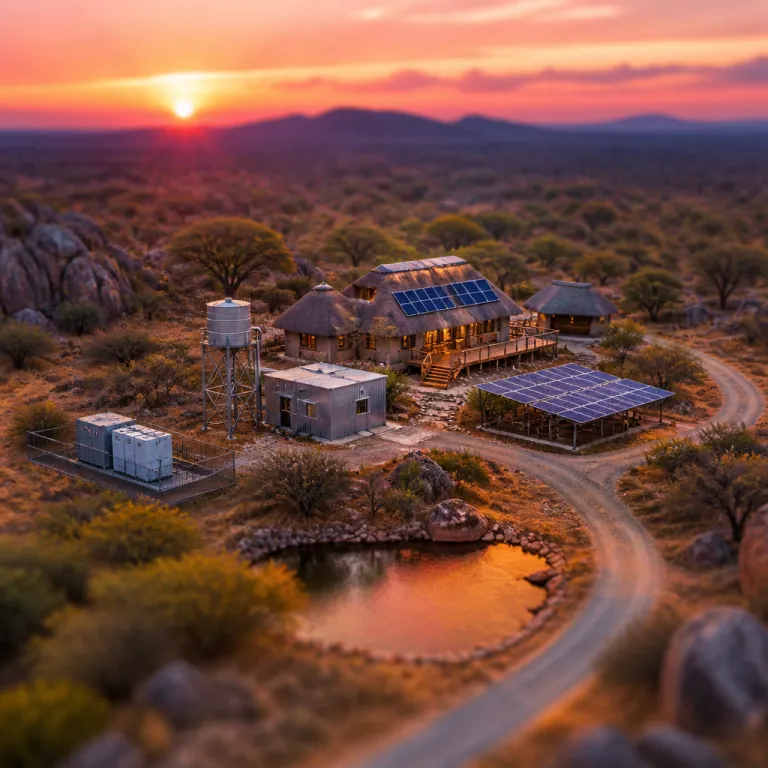
Eco lodge Zimbabwe off grid solar as quiet luxury, not compromise
In Zimbabwe, the phrase eco lodge Zimbabwe off grid solar signals far more than marketing gloss. It describes a new generation of safari lodges that have stepped away from unreliable grid power and built their own solar systems, borehole water infrastructure, and energy efficient operations that quietly outperform many city hotels. For families planning a premium safari, this shift means silent nights, consistent power energy for charging devices, and a level of sustainability that feels both authentic and indulgent.
Zimbabwe sits in a belt of southern Africa that enjoys around 3 000 hours of sunshine each year, which makes solar energy not just an ethical choice but a highly practical one for remote safari lodges. Faced with a fragile national grid, leading properties in every major national park have invested in large scale solar panels, sophisticated battery systems, and backup inverters that keep the lights on while neighbouring camps still juggle generator schedules. What began as a response to an energy crisis has matured into a defining feature of the eco friendly luxury experience in Zimbabwe.
When you book an eco lodge Zimbabwe off grid solar stay today, you are choosing a property that has rethought every aspect of its infrastructure, from how water is pumped to how waste is treated. These lodges use natural materials in their construction, manage their environmental impact with scientific precision, and treat sustainability as a core operating principle rather than a decorative label. The result is a style of green hospitality where you can enjoy a river view, a night drive, or a family dinner without the background thrum of diesel engines or the anxiety of sudden power cuts.
From Singita Pamushana to Matetsi: how top lodges left the grid
Across Zimbabwe, the most ambitious safari lodges have quietly built their own power systems, water networks, and communications infrastructure. At Singita Pamushana in the Malilangwe game reserve, a substantial solar power installation functions almost like a private utility, with solar panels feeding a central battery system that runs suites, kitchens, and back of house operations without relying on grid power. Wilderness Safaris camps in Hwange National Park and other concessions typically use hybrid systems, combining solar powered arrays with carefully managed generator backup to guarantee uninterrupted electricity even during peak demand.
Along the Zambezi near Victoria Falls, Matetsi Victoria Falls has invested in a blend of renewable energy and river adjacent infrastructure that allows the lodge to operate with minimal dependence on the national grid while still delivering a polished, family friendly experience. These properties treat solar systems as mission critical assets, not optional extras, and they work with local engineering firms and renewable energy consultants to design resilient solutions. As one industry summary puts it with blunt clarity, "Why are lodges in Zimbabwe investing in their own infrastructure? To ensure reliable services amid grid unreliability."
For guests, the difference between a lodge that is fully off grid and one that only uses solar as backup is tangible from the first evening. In a truly independent eco lodge Zimbabwe off grid solar property, there is no generator schedule pinned to the bar and no need to rush showers before the power system shuts down. Instead, you get consistent lighting, quiet fan or air cooling, and enough power energy to charge cameras, tablets, and phones while you sleep, which is especially reassuring for families travelling with children.
Water, boreholes, and the unseen systems that keep camps running
Energy is only half the story behind Zimbabwe’s new generation of eco friendly lodges, because water security is just as critical in remote national park locations. Many of the country’s leading safari lodges now rely on deep boreholes, submersible pumps, and elevated storage tanks to provide a reliable water system that is completely independent of municipal supply. This approach is particularly important in Hwange National Park and other dry landscapes, where borehole fed pans also support wildlife and reduce the environmental impact of seasonal scarcity.
Solar powered borehole systems have become the norm in remote concessions, with solar panels driving pumps that lift water from tens of metres below ground into gravity fed tanks above the lodge. These systems are designed to be energy efficient, using smart controllers that match pump speed to available solar power and protect equipment from voltage fluctuations that can occur when grid solar feeds are unstable. As one operational guide notes, "What benefits do solar-powered boreholes offer? Consistent water supply and reduced operational costs."
For guests, the result is deceptively simple: reliable hot water for showers, safe drinking water that has been filtered and treated on site, and swimming pools that remain full even late in the dry season. Families staying at an eco lodge Zimbabwe off grid solar property in Hwange National or near Victoria Falls can expect these behind the scenes systems to function so smoothly that they barely notice them. Yet those same systems are what allow lodges to offer long game drives, bush breakfasts, and riverside picnics without compromising on hygiene, comfort, or sustainability standards.
The cost of independence and why it matters for your stay
Building a genuinely independent eco lodge Zimbabwe off grid solar operation is capital intensive, with full installations for power, water, and waste often running into hundreds of thousands or even millions of US dollars per camp. Owners work with solar energy companies, borehole drilling firms, and local engineering partners to design integrated systems that can handle peak loads, seasonal variations, and long term maintenance. These investments typically include large solar arrays, lithium battery banks, inverters, backup generators, and sophisticated monitoring tools that track energy use across the lodge.
While the upfront cost is significant, the long term payback comes through lower fuel bills, reduced maintenance on generators, and fewer disruptions to guest experiences caused by grid power failures or municipal water cuts. One industry assessment captures the strategic logic succinctly, stating, "How does grid independence impact lodge operations? Enhances reliability and attracts eco-conscious tourists." For premium travellers, especially families, that reliability translates into uninterrupted air cooling, stable Wi Fi, and the confidence that every game drive will leave on time regardless of what is happening on the national grid.
This is where sustainability and luxury align in a very practical way, because the same renewable energy systems that reduce a lodge’s environmental impact also underpin its ability to deliver consistent comfort. When you compare properties on a platform such as MyZimbabweStay, or read a detailed review like the one on an elegant stay at Rainbow Towers in the heart of Harare, you can use infrastructure details as a key differentiator. Lodges that have invested heavily in solar power, boreholes, and independent water treatment tend to offer smoother operations, quieter nights, and a more relaxed atmosphere than those still tied to grid power and diesel deliveries.
How to read between the lines when booking eco friendly lodges
When you browse listings for safari lodges in Zimbabwe, you will see many references to eco credentials, green design, and solar powered infrastructure. To understand what this really means for your family holiday, you need to ask specific questions about the lodge’s power system, water sources, and backup arrangements. The goal is to distinguish between properties that use a few solar panels as a marketing prop and those that operate as fully fledged eco lodge Zimbabwe off grid solar destinations.
Start with energy by asking whether the lodge can run entirely on solar power during normal conditions, or whether it still relies heavily on generators and grid power at peak times. Clarify how many hours of battery storage the solar systems provide, whether there are any restrictions on charging devices, and how the lodge manages high demand periods when everyone returns from game drives to shower and prepare for dinner. Then move to water by asking whether the property uses boreholes, how that water is treated, and what measures are in place to protect local aquifers and minimise environmental impact.
Finally, look beyond the headline claims of being eco friendly and focus on operational details such as the use of natural materials in construction, the design of waste water systems, and the lodge’s approach to wildlife friendly lighting around rooms and pathways. Properties in Hwange National Park, near Victoria Falls, or in private game reserves that can answer these questions clearly are usually the ones that have invested seriously in sustainability. For a premium family, that level of transparency is a strong indicator that the lodge will deliver both a low impact stay and a high comfort experience, from the first sunrise view to the last night’s farewell around the fire.
FAQ
Why are lodges in Zimbabwe investing so heavily in solar and boreholes?
Lodges are responding to an unreliable national grid and patchy municipal water services by building their own infrastructure. By installing solar panels, battery systems, and borehole water supplies, they gain operational autonomy and can guarantee consistent service for guests. This approach also reduces long term operating costs and aligns with growing demand for eco friendly travel in Africa.
How does an off grid solar system change the guest experience?
An off grid solar system allows a lodge to run without noisy generators or scheduled power cuts, which creates a calmer atmosphere. Guests benefit from reliable lighting, hot water, and device charging at any time of day, even in very remote national park locations. Families in particular appreciate the stability, because it removes the stress of planning around limited power availability.
Are solar powered boreholes safe and reliable for drinking water?
Solar powered boreholes are widely used in Zimbabwe’s top lodges and can be very reliable when properly designed and maintained. Water is typically pumped from deep underground, stored in tanks, and then filtered and treated before reaching guest rooms or dining areas. This combination of renewable energy and modern treatment systems provides safe drinking water while reducing dependence on municipal supply.
What should I ask a lodge about its sustainability practices before booking?
You should ask whether the lodge can operate fully on solar power, how much generator use is still required, and how water is sourced and treated. It is also worth asking about waste management, use of natural materials, and any initiatives to reduce environmental impact in the surrounding game reserve or national park. Clear, specific answers usually indicate that sustainability is embedded in daily operations rather than treated as a marketing slogan.
Does choosing an eco lodge Zimbabwe off grid solar property mean sacrificing comfort?
Choosing an eco lodge Zimbabwe off grid solar property in Zimbabwe generally enhances comfort rather than reducing it, because the same systems that lower emissions also improve reliability. Well designed solar systems and boreholes ensure steady power, hot water, and cooling without the noise and fumes of constant generator use. In many leading safari lodges, this combination of quiet technology and thoughtful design has become a hallmark of modern luxury.