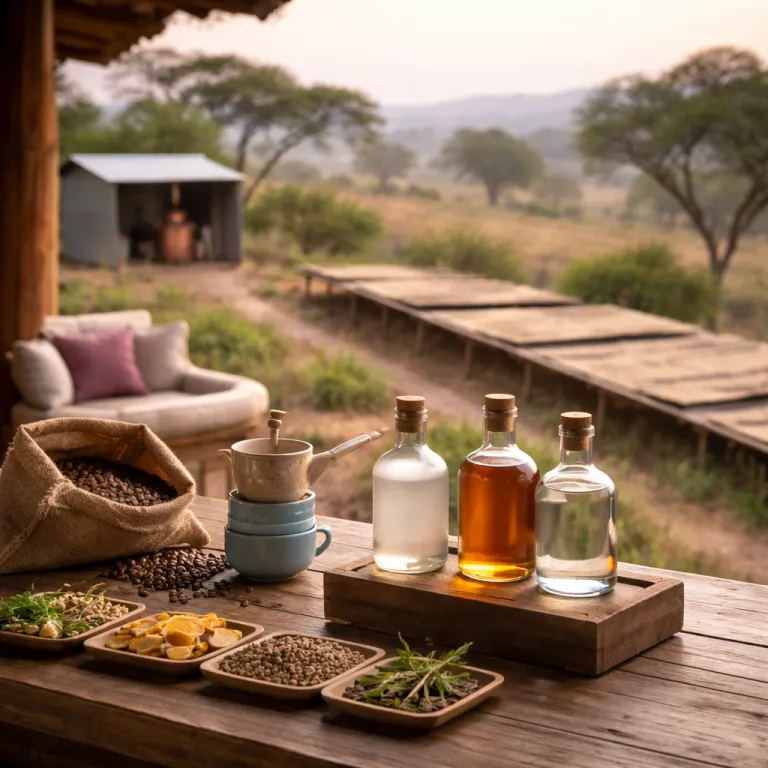
From lodge bar to terroir glass: why Zimbabwe craft gin coffee matters
In Zimbabwe’s better lodges, the most interesting story now often sits behind the bar. A new wave of Zimbabwe craft gin coffee pairings is turning a simple drink into a layered tasting, where local terroir, guiding standards and producer narratives all meet in your glass. Order a gin and tonic or a single estate espresso and you will often be tasting the same highland rain, the same red soil and the same crafted intent that shape the country’s best wines and other beverages.
For luxury travelers, this is no gimmick; it is a precise way to read Zimbabwe through flavor, from Bulawayo’s Matobo African Dry Gin to the shade-grown Arabica of the Eastern Highlands. When a head bartender talks you through the ingredients in a tonic cocktail or a zesty coffee-based drink, you are hearing the same language of provenance that your walking guide uses when explaining elephant paths or basalt geology. As one Victoria Falls bar manager put it, “If I can’t point to the hill, forest or farm behind a bottle, it doesn’t belong on our signature list.” The result is a refreshing sense that every sip, every mix and every crafted pour is anchored in real places, real people and real conservation work across Zimbabwe.
Solo explorers who care about food and drink quickly realise that a lodge’s bar list is as revealing as its game drive schedule. A property that stocks Matobo Gin, Tumbuka Coffee and Zimunda Estate beans is usually the kind of place that will also plate thoughtful food, respect seasonality and curate small-scale producers with care. When you see imported labels dominating the gin shelf and generic espresso blends in the machine, it often signals a missed choice to connect guests with Zimbabwe’s own delicious, zesty and refreshing flavors.
Producers to know: from Bulawayo stills to Eastern Highlands roasters
The most compelling Zimbabwe craft gin coffee stories start far from the lobby, in Bulawayo’s light industrial backstreets and the misty slopes above Mutare. Comrades Beverages, the producer behind Matobo African Dry Gin, works with copper stills and locally sourced botanicals to create a gin whose flavor profile reflects Matabeleland’s granite hills and wild herbs. On the coffee side, Tumbuka Coffee and Zimunda Estate in the Eastern Highlands roast and ship beans that many of Zimbabwe’s top hotels now grind to order for a morning drink with real depth.
Matobo Gin production remains deliberately small-batch, at a scale that keeps it crafted and hands-on while still allowing serious lodge supply. Tumbuka Coffee farms focus on organic, fair trade plots, and Zimunda Estate’s annual yield in the Vumba highlands is measured in carefully managed lots rather than bulk containers, which means every bag that reaches a hotel barista has a traceable origin. When a property listed in a guide to top rated hotels in Zimbabwe highlights these producers on its menu, you can be confident that the wider food and beverages programme has been thought through with similar care.
For the solo traveler, this network of independent producers becomes a tasting map that runs parallel to your safari route. A stay in Bulawayo might include a pre-arranged visit to Comrades Beverages, where you can sip a neat gin or a simple gin and tonic while hearing how local botanicals are foraged in season. Later in the trip, a detour into the Eastern Highlands allows you to walk the rows at Zimunda Estate, cup different roasts of Tumbuka Coffee and understand how altitude, shade and rainfall shape both the refreshing acidity and the chocolate notes in your morning cup.
Where to stay for serious local lists: lodge bars that champion Zimbabwe
Not every luxury property in Zimbabwe treats its bar as a lens on the country, so choosing the right stay matters if you care about Zimbabwe craft gin coffee. In Victoria Falls, several premium hotels now balance the expected South African imports with a concise list of Zimbabwean gin, including Matobo African Dry Gin, and at least one single-origin coffee from the Eastern Highlands. When you read a bar menu that names producers, lists ingredients and suggests food pairings, you are usually in a place where the overall experience has been curated with intent.
Mid-trip, many solo travelers pair a Falls stay with a Hwange or Matobo extension, and this is where the contrast between properties becomes clear. Some lodges still default to anonymous house pours and bulk-roasted beans, while others build a full tasting journey around local beverages, from a zesty gin and tonic at sunset to a carefully pulled espresso before a dawn game drive. If a camp is confident enough to run a bush dining programme with serious food, as profiled in guides to bush dining in Zimbabwe and what to order when an operator gets it right, it will usually also offer a thoughtful mix of Zimbabwean gin cocktails and single-origin coffee options.
Ask direct questions before you book, because the answers will tell you a lot about the property’s priorities. Does the bar team run a short Zimbabwe craft gin coffee tasting in the late afternoon, perhaps pairing a tonic cocktail with biltong and a Vumba pour-over with a small dessert? Are there non-alcoholic beverages built with the same crafted care, using local ingredients like baobab, marula or wild herbs, so that every guest can join the celebration of Zimbabwean flavor regardless of their drink choice?
Visiting growers and distillers: how to weave producers into an 8 to 10 day trip
A well-planned eight to ten day itinerary in Zimbabwe can easily combine wildlife, city time and direct contact with the people behind your favorite gin and coffee. Start in Harare or Bulawayo, where you can arrange a visit to Comrades Beverages to see traditional distillation in action and taste Matobo Gin in both neat and gin and tonic forms. From there, route east into the highlands for a night or two near Vumba, using a premium lodge as a base for farm gate visits to Zimunda Estate and meetings with Tumbuka Coffee’s roasting team.
Some farms welcome travelers for scheduled tours, while others prefer to focus on wholesale relationships, so advance contact is essential. When you ask, “How to visit Zimunda Estate?” the most accurate answer is simple: contact the estate directly to check whether farm tours are available during your travel window. That single sentence captures the balance between openness and respect that should guide every producer visit, whether you are walking coffee rows, watching a roasting machine in motion or standing beside a copper still as a new batch of crafted gin runs clear.
Once you have met the growers, the rest of your Zimbabwe craft gin coffee journey becomes more textured. A sunset cocktail in Hwange, built as a zesty tonic cocktail with Matobo Gin and a slice of grapefruit, carries the memory of Bulawayo’s still room, while a simple morning drink in a Vumba lodge, brewed from Zimunda Estate beans, recalls the cool air of the farm itself. Over eight or ten days, this rhythm of field visits, bar conversations and carefully paired food turns your trip into a quiet celebration of Zimbabwe’s beverage revival.
Logistics, pairings and what to order: making every sip count
One practical question hangs over many bar conversations in Zimbabwe: how do you take these crafted flavors home without trouble at customs? The safest route is usually to buy sealed bottles of gin and clearly labeled bags of coffee directly from producers or from reputable hotel shops, then pack them in checked luggage with padding and a copy of your receipts. Airlines and border officials are generally familiar with small-scale exports of beverages, but staying within personal allowance limits and avoiding hand luggage for liquids will keep your day at the airport calm.
Within Zimbabwe, let your palate lead but use a few reliable pairings as anchors when you order. A classic gin and tonic made with Matobo Gin, a dry local tonic and a twist of citrus works beautifully before dinner, especially when served with salty snacks or grilled game skewers, while a more complex cocktail that mixes gin, coffee liqueur and a zesty tonic reduction can bridge the gap between dessert and nightcap. For coffee, ask for single-origin espresso in the morning, then a V60 or French press in the afternoon, when a slower sip allows you to taste the full flavor spectrum of Eastern Highlands beans.
Throughout your stay, pay attention to how hotels talk about their food and drink, because language reveals priorities. A property that frames Zimbabwe craft gin coffee as part of a wider terroir-driven experience, perhaps linking bar tastings to a curated guide to exceptional Victoria Falls premium hotel deals for your next getaway, is usually thinking in joined-up ways about everything from guiding to conservation fees. When the team can explain why a particular mix of botanicals makes Matobo Gin so refreshing, or how specific ingredients in a Tumbuka Coffee roast interact with a chocolate dessert, you know you are in a place where every celebration, every glass and every plate has been crafted with intent.
FAQ
What is Matobo Gin and where can I try it in Zimbabwe?
Matobo Gin is a Zimbabwean gin infused with local botanicals, produced by Comrades Beverages in Bulawayo using traditional distillation and copper stills. You will find it on the bar lists of several premium hotels in Bulawayo, Victoria Falls and selected safari lodges that prioritise local beverages. When booking, ask whether the property offers Matobo African Dry Gin in its gin and tonic serves and signature cocktail menus.
Where is Zimbabwe’s best coffee grown and how does it reach hotels?
Zimbabwe’s most respected specialty coffee comes from the Eastern Highlands, particularly areas like Chipinge and the Vumba region. Producers such as Tumbuka Coffee and Zimunda Estate cultivate shade-grown Arabica, then roast or ship beans that many luxury hotels now use for espresso and filter coffee. When a property highlights these names on its menu, you can expect a more crafted coffee experience from your first morning drink.
Can I visit coffee farms and distilleries during a luxury trip?
Yes, several independent producers welcome visitors by prior arrangement, and a good tour operator or hotel concierge will help coordinate timings. In Bulawayo, you may be able to tour Comrades Beverages’ facilities and taste gin on site, while in the Eastern Highlands some estates offer guided walks through the coffee fields and cupping sessions. Always contact producers in advance, respect farm routines and allow enough time in your itinerary for slow travel between regions.
How do I bring Zimbabwean gin and coffee home without customs issues?
The simplest approach is to buy sealed bottles and bags from producers or hotel shops, keep receipts and pack everything securely in checked luggage. Stay within your home country’s personal import allowances for alcohol and food products, and avoid carrying liquids in hand luggage to reduce security delays. If you plan to ship larger quantities, work with a specialist courier or retailer who understands export regulations for beverages.
How can I tell if a hotel takes its Zimbabwe craft gin coffee offering seriously?
Look for bar and café menus that name specific producers, list ingredients and suggest pairings with food, rather than generic “house gin” or “filter coffee” labels. Staff should be able to explain where the gin and coffee come from, describe the flavor profile and recommend a tonic cocktail or brewing method that suits your taste. Properties that invest this level of care in beverages usually show the same attention to detail in guiding, room design and overall guest experience.