Luxury zim safaris and the art of choosing the right stay
Planning zim safaris begins with understanding how you like to travel. In Zimbabwe, the relationship between a safari, a luxury lodge, and the surrounding national park shapes every moment of your trip. When you align your expectations with the character of each camp, you elevate both comfort and wildlife immersion.
Zimbabwe has positioned itself as one of Africa’s most rewarding safari destinations. The Zimbabwe Tourism Authority and the Parks and Wildlife Management Authority work together so that each Zimbabwe safari or multi day trip supports conservation and local communities. This framework matters when you compare different safaris, because the best properties invest directly in wildlife management programs and eco tourism initiatives.
For travellers browsing a premium hotel booking website, the first decision is whether to focus on Victoria Falls, Hwange National Park, Mana Pools, or a circuit that links several regions. Many zim safaris itineraries combine a few days in a Victoria Falls lodge with time in Hwange or Mana Pools National Park for deeper wildlife experiences. When you read property descriptions, look for clear references to specific parks, the Zambezi River, or Lake Kariba, because location determines what you will actually see.
Luxury hotels in Harare or near Victoria Falls bridge the gap between international flights and remote safari camps. A well chosen lodge in Victoria Falls can arrange a same day trip into the national park or a sunset cruise on the Zambezi, while also coordinating transfers to Hwange or Lake Kariba. This seamless approach is essential for travellers who want a refined safari Zimbabwe experience without logistical stress.
From victoria falls to hwange: mapping elegant zim safaris
Most zim safaris start or end at Victoria Falls, where the Zambezi River plunges into a dramatic gorge. Staying in a premium lodge here allows you to visit Victoria Falls at different times of day, from misty mornings to golden afternoons with sweeping views. Many travellers then extend their trip with a short flight or road transfer to Hwange National Park for classic big game viewing.
When you compare hotels and camps online, pay attention to how they describe access to Victoria Falls and the surrounding national park. Some properties sit within walking distance of the falls, while others offer quieter settings with a more expansive view trip over the river and forest. A refined zim safaris itinerary might include two days Victoria side for the falls, followed by several days view of wildlife in Hwange.
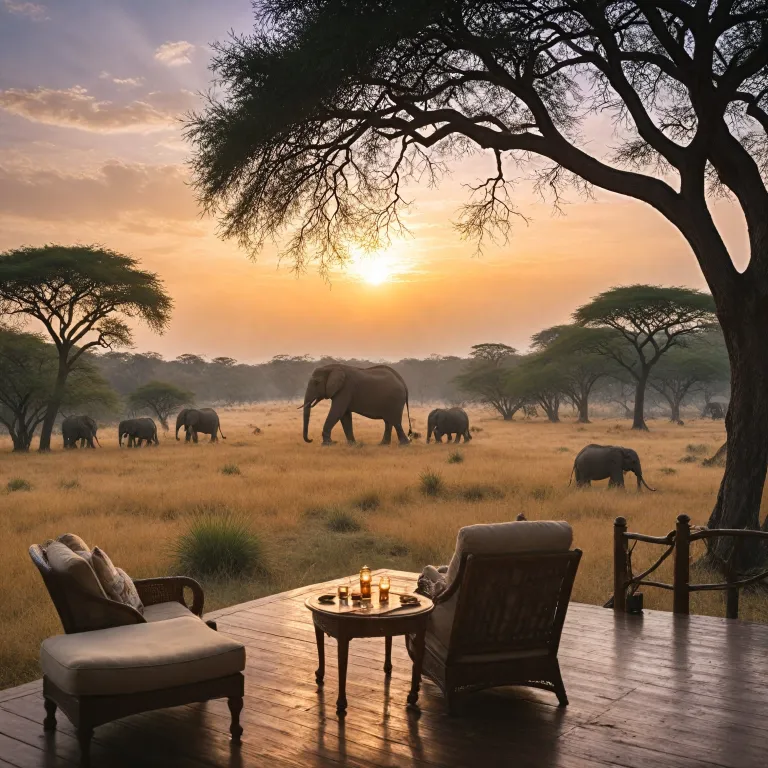
Hwange National Park is renowned across Africa for its elephant herds and diverse wildlife. Choosing a camp inside the park rather than outside the gate often means more flexible game drive times and a stronger sense of immersion in the landscape. For travellers who value privacy, a small group safari Zimbabwe package in Hwange can provide a more personalised guiding style and better access to remote pans.
Some luxury itineraries link Hwange Victoria combinations with cross border extensions. From Victoria Falls, it is straightforward to arrange a day trip to Chobe in Botswana, sometimes marketed as a falls Chobe circuit that highlights river based wildlife viewing. Carefully curated zim safaris can also connect to the Okavango Delta or even South Africa, but it is wise to use operators recognised by the Safari Operators Association of Zimbabwe (SOAZ).
Mana pools, lake kariba, and the zambezi: wild elegance on the water
Beyond Victoria Falls and Hwange, zim safaris reach their most atmospheric along the middle Zambezi. Mana Pools National Park, a UNESCO listed wilderness, offers a different rhythm where walking safaris and canoe trips bring you close to wildlife at the river’s edge. Here, a Zimbabwe safari is less about rushing between sightings and more about quietly observing elephants, wild dogs, and birds in pools national habitats.
Luxury camps in Mana Pools are typically seasonal and intimate, so availability can be limited during peak travel periods. When you read descriptions on a hotel booking website, look for details about walking qualifications, canoeing options, and how many guests share each vehicle or boat. A small group setting often enhances safety and interpretation, especially on foot along the Zambezi River floodplains.
Lake Kariba adds another dimension to zim safaris, combining water based relaxation with classic wildlife viewing. Many travellers split their days between game drives in nearby national park areas and afternoons cruising the lake, watching elephants and antelope descend to drink. A well run lodge on Lake Kariba can coordinate multi days view itineraries that link seamlessly with Mana Pools or Hwange.
For those comparing safaris across Africa, the Zambezi corridor stands out for its sense of remoteness and strong conservation ethos. Revenue from tourism and hunting supports wildlife conservation efforts and community development. When you plan a safari Zimbabwe journey that includes Mana Pools or Lake Kariba, you are also supporting innovation in anti poaching technology and community based tourism projects championed by Zimbabwe’s authorities and partners.
Choosing between camps, lodges, and city hotels for zim safaris
On a luxury booking platform, you will see a mix of city hotels, safari camps, and riverfront lodges. Each style plays a distinct role in zim safaris, and understanding these differences helps you design a balanced Zimbabwe safari itinerary. City hotels in Harare or Victoria Falls work well for overnight stays before or after flights, while camps and lodges inside national parks deliver the core wildlife experience.
When evaluating a lodge or camp, focus on guiding quality, access to key habitats, and how many guests share vehicles or boats. Properties in Hwange National Park or Mana Pools that limit guest numbers often provide a more exclusive safari Zimbabwe experience, with better opportunities to linger at sightings. In contrast, larger hotels near Victoria Falls may excel in amenities, spa facilities, and easy access to restaurants and cultural activities.
Some zim safaris itineraries combine a refined hotel in Victoria with more rustic yet comfortable camps in Hwange or along the Zambezi. This approach allows you to enjoy both polished service and the thrill of sleeping close to wildlife, hearing lions at night while still returning to high quality linens and attentive staff. For travellers who prefer structured social interaction, a small group tour can be ideal, especially when moving between Hwange Victoria routes or onward to Botswana.
Cross border combinations such as Victoria Falls Chobe or Victoria Falls plus the Okavango Delta are popular among travellers exploring southern Africa. However, it is important to confirm that your operator works with reputable partners in Botswana and South Africa, and that transfers are clearly detailed in your days view itinerary. Booking through platforms that highlight affiliations with SOAZ and the Zimbabwe Tourism Authority can add an extra layer of reassurance.
Designing multi day zim safaris itineraries with premium booking platforms
Thoughtful zim safaris design begins with how many days you can allocate to Zimbabwe and neighbouring regions. A classic pattern is three days Victoria Falls, three days in Hwange National Park, and three days in Mana Pools or on Lake Kariba, with optional extensions to Botswana or South Africa. Premium booking websites increasingly allow you to filter by park, river, or activity, making it easier to align each lodge with your preferred pace.
When you read itinerary suggestions online, look for clarity about transfer times, internal flights, and what is included in each day trip or activity. For example, some Victoria Falls lodges bundle guided visits to the falls, sunset cruises on the Zambezi River, and cultural tours into their nightly rate. Others focus on accommodation only, leaving you to add activities à la carte, which can affect the overall value of your safari Zimbabwe journey.
Travellers who want to combine Zimbabwe with Botswana often choose a Victoria Falls and Chobe sequence, sometimes adding the Okavango Delta for a contrasting wetland experience. In these cases, a small group tour can simplify logistics, especially when crossing borders or coordinating multiple flights. Many platforms now show a view trip feature, where you can see each day’s route, parks visited, and lodges used across Africa.
Health and safety planning is another essential layer when booking zim safaris. Ensure vaccinations are up to date before traveling, and always book safaris through reputable operators who respect wildlife regulations. Reputable platforms will highlight partnerships with the Parks and Wildlife Management Authority and community projects, signalling that your Zimbabwe safari contributes to long term conservation goals.
Trust, conservation, and expert insight in luxury zim safaris
Trust is central when you commit to a high value safari Zimbabwe itinerary through an online platform. Look for clear information about how each lodge supports national park conservation, from anti poaching patrols to community employment. The most credible operators in Zimbabwe are often members of the Safari Operators Association of Zimbabwe (SOAZ) and work closely with the Zimbabwe Tourism Authority.
The safari industry is a vital component of Zimbabwe's tourism sector, contributing significantly to the economy and conservation efforts. This context matters when you compare zim safaris with options in Botswana, South Africa, or the Okavango Delta, because your choice directly influences funding for wildlife corridors and local livelihoods. Many camps along the Zambezi and in Hwange National Park now integrate solar power, low impact building techniques, and community based tourism projects into their operations.
For travellers who like to research in depth, it can be helpful to read specialist guidebooks and long form travel features. Authors such as Anthony Ham have written extensively about Zimbabwe, Hwange, Mana Pools, and the broader Zambezi region, offering nuanced perspectives on wildlife, culture, and logistics. Combining this kind of expert insight with a curated luxury and premium hotel booking website in Zimbabwe can help you refine your days view and park choices.
As you compare properties, pay attention to how transparently they present conservation fees, park levies, and community contributions. Platforms that explain these elements clearly, and that highlight sustainable hunting practices where relevant, tend to align with Zimbabwe’s long term tourism strategy. For a practical overview of how premium booking tools can elevate your trip planning, you can consult a dedicated resource such as this guide to a luxury and premium hotel booking website in Zimbabwe elevating your travel experience: luxury and premium hotel booking website in Zimbabwe.
Practical tips for booking zim safaris and premium stays
Once you have chosen your preferred parks and regions, timing becomes the next key decision. Dry season months usually offer the best wildlife viewing in Hwange National Park, Mana Pools, and around Lake Kariba, as animals concentrate near water sources. Shoulder seasons can still deliver excellent sightings with fewer visitors, especially for travellers who value quieter camps and more flexible guiding.
On a luxury booking website, use filters to compare lodges by location, activities, and room types rather than price alone. A camp inside Hwange or Mana Pools may appear more expensive per night, but it often includes game drives, park fees, and guiding that would cost extra from a city base. When you read reviews, focus on comments about guiding expertise, vehicle density at sightings, and how staff handle special requests or dietary needs.
Travellers planning multi country safaris across Africa should also consider visa requirements, regional flight schedules, and health regulations. Combining Zimbabwe with Botswana, the Okavango Delta, or South Africa can be very rewarding, but it is wise to allow buffer days in Victoria Falls or Harare in case of delays. A small group or privately guided tour can smooth these transitions, especially when moving between Hwange Victoria routes or arranging a falls Chobe extension.
Finally, remember that zim safaris are most meaningful when they respect both wildlife and local communities. Book safaris through reputable operators, follow park rules, and support lodges that invest in conservation and fair employment. By aligning your Zimbabwe safari choices with these principles, you help ensure that the national parks, Zambezi River landscapes, and iconic Victoria Falls remain vibrant for future travellers.
Key statistics on safari tourism in Zimbabwe
- Tourist arrivals in Zimbabwe reached 1 043 781 visitors, reflecting a strong rebound in travel demand.
- Tourism revenue was recorded at 911 million USD, underlining the sector’s importance to the national economy.
- Hunting revenue in Zimbabwe’s safari industry is projected to increase by 25 percent, supporting conservation funding and community projects.
Essential questions about zim safaris and luxury stays
What are the main attractions for safari tourists in Zimbabwe?
Major attractions include Hwange National Park, Mana Pools, and Victoria Falls. Travellers often combine these areas in a single zim safaris itinerary, using Victoria Falls as a gateway to Hwange or the Zambezi River. Each region offers a distinct style of Zimbabwe safari, from big game plains to riverine forests and dramatic waterfalls.
How does the safari industry contribute to conservation in Zimbabwe?
Revenue from tourism and hunting supports wildlife conservation efforts and community development. Park fees, conservation levies, and lodge based projects fund anti poaching patrols, habitat management, and local employment. By choosing reputable operators and lodges, travellers ensure their safari Zimbabwe experience directly benefits national parks and surrounding communities.
Is hunting legal in Zimbabwe's safari industry?
Yes, regulated hunting is legal and contributes to conservation funding. It is tightly controlled by the Parks and Wildlife Management Authority, with quotas and monitoring designed to protect wildlife populations. Travellers booking zim safaris who prefer non hunting experiences can simply select photographic camps and lodges that focus exclusively on viewing and conservation activities.