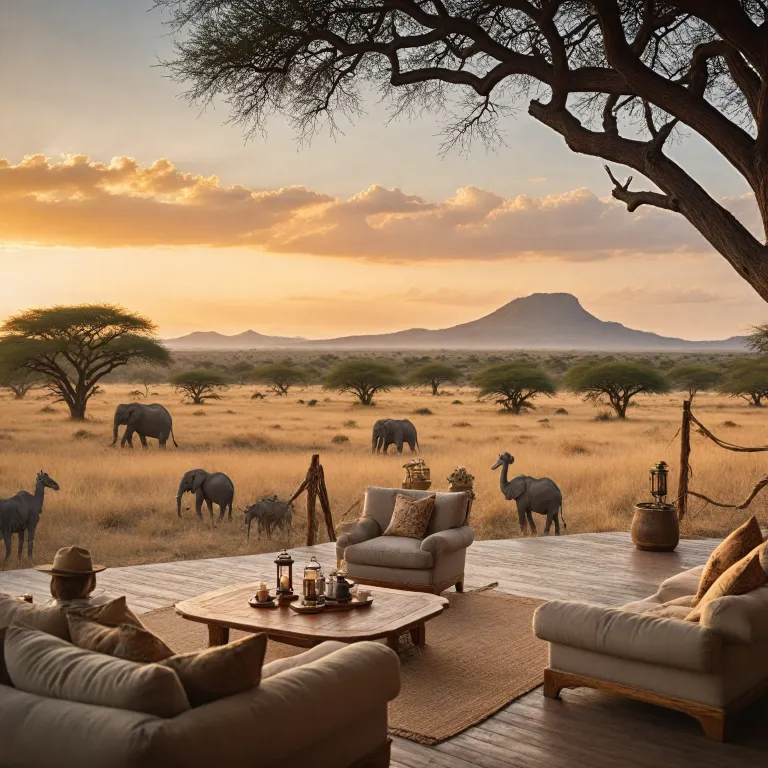
Luxury perspectives on safari Zimbabwe Africa
Planning a safari Zimbabwe Africa journey begins with understanding how luxury hospitality aligns with the country’s most iconic landscapes. Travellers weighing a Zimbabwe safari often want refined comfort yet still expect authentic wildlife viewing in remote national parks. The challenge is choosing hotels and camps that balance elegance, access, and conservation in a way that feels genuinely meaningful.
Zimbabwe sits at the heart of southern Africa, with Hwange, Mana Pools, and the area around Victoria Falls forming a classic triangle for premium safaris. Each national park offers a different rhythm, from the elephant herds of Hwange National Park to canoe safaris on the Zambezi River near Mana Pools. Selecting the right hotel or private camp in these regions shapes every game drive, every sunset view, and every quiet moment between activities.
For many guests, the first decision is whether to stay in a luxury hotel in Victoria Falls town or in a safari camp inside a park Zimbabwe reserve. Hotels near Victoria Falls provide easy access to the falls themselves, plus day tour options to Hwange National Park or even cross-border travel to South Africa and Botswana Zimbabwe combinations. Camps inside national parks, by contrast, prioritise immersive wildlife viewing, with early morning game drives and starlit dinners far from urban lights.
Zimbabwe Parks and Wildlife Management Authority oversees these national parks and protects the wildlife that draws travellers here. Their work underpins every safari Zimbabwe experience, from guided safaris in Hwange to canoe trips on the Zambezi River. As interest in eco friendly travel grows, luxury properties increasingly partner with conservation organisations and local communities to ensure that premium comfort supports long term protection of Africa’s natural heritage.
Choosing between Victoria Falls glamour and Hwange wilderness
Many travellers start their safari Zimbabwe Africa itinerary in Victoria Falls, where premium hotels overlook the gorge or sit within walking distance of the falls. Staying in Victoria Falls town allows easy access to the famous Victoria Falls viewpoints, sunset cruises on the Zambezi River, and helicopter flights that reveal the full sweep of the landscape. Guests can then add a day tour or multi day safari tours to Hwange National Park for deeper wildlife encounters.
In this region, reviews often highlight how well hotels manage the balance between resort style amenities and authentic safari experiences. Properties with direct views of Victoria Falls or the river tend to command higher rates, yet they also offer seamless access to activities such as game drives in nearby reserves. For travellers who value spa treatments, fine dining, and curated excursions, a stay at a premium riverside retreat like the Victoria Falls Safari Club can anchor the entire Zimbabwe safari.
Hwange National Park, by contrast, is about space, silence, and wildlife viewing on a grand scale. Covering roughly 14 600 km², Hwange National is one of Africa’s great elephant strongholds, and luxury camps here often overlook waterholes that attract game throughout the dry season. Guests typically enjoy twice daily game drives, with expert guides interpreting everything from lion tracks to the behaviour of rare birds among Zimbabwe’s more than 400 recorded species.
When comparing hotels and camps, travellers should look beyond star ratings and focus on location, guiding quality, and access to key habitats. A camp near productive water sources in the dry season will usually offer more rewarding game drives than a property in a less active corner of the park Zimbabwe wilderness. Reading detailed reviews that mention specific sightings, guide expertise, and the atmosphere of each camp helps refine expectations before committing to a safari Zimbabwe itinerary.
Mana Pools, Lake Kariba, and the art of water based luxury
While Hwange and Victoria Falls dominate many safari Zimbabwe Africa plans, the Mana Pools and Lake Kariba region offers a different, more fluid kind of luxury. Here, the Zambezi River becomes the central stage, with canoe safaris, boat cruises, and riverside camps redefining what a Zimbabwe safari can feel like. The interplay between water, wildlife, and light creates a classic Africa atmosphere that appeals strongly to photographers and seasoned travellers.
Mana Pools National Park is renowned for its walking safaris and close range wildlife viewing along the river floodplains. When conducted with experienced guides, walking safaris are safe and offer unique wildlife experiences. Premium camps here often feature just a handful of tents or suites, each with a private view of the Zambezi River and frequent visits from elephants and other wildlife.
Further west, Lake Kariba introduces a different dimension to safari tours, combining game drives in nearby national parks with time on the water. Luxury houseboats and lakeside lodges allow guests to alternate between classic game drive activities and tranquil afternoons watching hippos from deck chairs. For travellers seeking variety within a single safari Zimbabwe itinerary, pairing Mana Pools with Lake Kariba creates a richly textured journey.
Those researching where to stay will find that reviews frequently mention how water based activities complement traditional game drives. Properties that offer both boat excursions and land safaris provide a more rounded sense of park Zimbabwe ecosystems and seasonal wildlife movements. For curated inspiration on high end stays in these regions, travellers can consult resources on island retreats and premium booking experiences, which highlight how to weave Mana Pools, Lake Kariba, and other national parks into a coherent luxury itinerary.
Design, comfort, and service in Zimbabwe’s premium safari stays
Beyond location, the essence of a luxury safari Zimbabwe Africa stay lies in design, comfort, and service. Travellers comparing hotels and camps across Zimbabwe safari regions should pay attention to how properties integrate natural materials, open air spaces, and shaded decks to frame the surrounding wildlife. Thoughtful architecture can make a simple camp feel effortlessly elegant while still remaining rooted in Africa’s landscapes.
Many premium properties in Hwange, Mana Pools, and near Victoria Falls feature spacious suites with private pools or plunge pools, ideal for cooling off between game drives in the dry season. These pools are often positioned to overlook waterholes or river channels, turning a quiet afternoon into an extended wildlife viewing session. In some camps, guests can watch elephants, antelope, and even predators approach while they relax in complete comfort.
Service standards also define the difference between a merely comfortable stay and a truly memorable safari tours experience. Well trained teams anticipate needs, from dietary preferences to personalised game drive schedules, while expert guides bring the national parks to life with deep ecological knowledge. Reviews that mention consistent attention to detail, warm hospitality, and flexible activity planning are strong indicators of a property’s commitment to excellence.
Travellers should also consider how properties support conservation and local communities, as this increasingly shapes perceptions of luxury in southern Africa. Many camps partner with the Zimbabwe Parks and Wildlife Management Authority and community initiatives to fund anti poaching efforts and education programmes. By choosing hotels and camps that invest in park Zimbabwe protection, guests ensure their safari Zimbabwe spending contributes directly to safeguarding wildlife for future generations.
Building a seamless itinerary across Zimbabwe’s national parks
Designing a coherent safari Zimbabwe Africa itinerary means more than simply stringing together famous names like Victoria Falls, Hwange, and Mana Pools. The most rewarding journeys consider travel logistics, seasonal wildlife patterns, and the desired balance between hotel comfort and remote camp immersion. A well planned route can move gracefully from the drama of Victoria Falls to the quiet intensity of Hwange National Park and the riverine magic of Mana Pools.
Many travellers begin with two or three nights in Victoria Falls town, using this base for a guided tour of Victoria Falls and optional activities such as sunset cruises or helicopter flights. From there, a short flight or road transfer leads to Hwange National, where four or more nights allow time for varied game drives and relaxed afternoons in camp. Those with additional days can continue to Lake Kariba or Mana Pools National Park, adding boat based safaris and walking experiences along the Zambezi River.
When comparing options, it is helpful to read reviews that detail transfer times, aircraft types, and how smoothly luggage and schedules are handled. Premium operators in southern Africa typically coordinate flights and road transfers so that guests maximise time in national parks rather than in transit. For curated inspiration on elegant stays and route ideas, travellers can consult guides to exceptional hotels and refined itineraries in Zimbabwe.
Seasonality also matters, particularly regarding the dry season from May to October, which is ideal for wildlife viewing as animals gather around water sources. During this period, game drives in Hwange and other national parks tend to be especially productive, while water levels at Victoria Falls shift to reveal different perspectives. Outside the dry season, lush landscapes and birdlife flourish, and some travellers prefer this softer, greener version of safari tours in park Zimbabwe reserves.
Practical guidance for premium travellers on safari Zimbabwe Africa
Even the most luxurious safari Zimbabwe Africa itinerary benefits from careful practical planning. Travellers should ensure vaccinations are up to date, pack layers for cool mornings and warm afternoons, and follow all wildlife guidelines set by the Zimbabwe Parks and Wildlife Management Authority. Respect for local customs and park regulations enhances safety and supports the long term health of national parks and surrounding communities.
Visa requirements vary by nationality; it's advisable to check with the Zimbabwean embassy or consulate before traveling. Many premium lodges and hotels can assist with pre arrival information, including recommended packing lists, tipping guidelines, and details about electrical sockets and connectivity. While some camps offer reliable Wi Fi, others in remote park Zimbabwe locations encourage digital disconnection so guests can focus fully on wildlife viewing and the rhythms of Africa’s bush.
When evaluating hotels, camps, and safari tours, travellers should read a range of reviews, paying attention to recent comments about guiding, food quality, and maintenance. It is wise to compare both classic properties with long track records and newer camps that may offer innovative design or community based tourism models. In both cases, look for clear evidence of collaboration with conservation organisations and adherence to responsible travel principles.
Finally, consider how each stay fits into a broader southern Africa journey that might include South Africa or neighbouring Botswana Zimbabwe combinations. Some guests choose to pair a Zimbabwe safari focused on Hwange National Park, Mana Pools, and Lake Kariba with time in Cape Town or the Okavango Delta. By approaching bookings with a holistic view of travel goals, comfort preferences, and conservation values, discerning guests can craft a safari Zimbabwe experience that feels both indulgent and deeply connected to Africa’s most remarkable landscapes.
Key statistics for planning a Zimbabwe safari
- Hwange National Park covers approximately 14 600 km², making it one of the largest protected areas in Africa and a cornerstone of many safari Zimbabwe itineraries.
- Zimbabwe hosts more than 400 recorded bird species, offering exceptional birdwatching alongside classic big game viewing in multiple national parks.
- The dry season from May to October is widely regarded as the optimal period for wildlife viewing, as animals concentrate around limited water sources.
Essential questions about safari Zimbabwe Africa
What is the best time to go on a safari in Zimbabwe?
The dry season from May to October is ideal for wildlife viewing as animals gather around water sources. During these months, vegetation is thinner, making it easier to spot wildlife on game drives in Hwange National Park, Mana Pools, and other reserves. Travellers who prioritise dense greenery and birdlife may prefer the wetter months, but they should expect more dispersed wildlife.
Are walking safaris safe in Zimbabwe?
Yes, when conducted with experienced guides, walking safaris are safe and offer unique wildlife experiences. Operators in national parks such as Mana Pools follow strict safety protocols, including group size limits and clear briefings before each walk. Guests should always follow guide instructions closely and maintain respectful distances from wildlife.
Do I need a visa to visit Zimbabwe for a safari?
Visa requirements vary by nationality; it's advisable to check with the Zimbabwean embassy or consulate before traveling. Many luxury hotels and safari camps provide pre trip support, including up to date visa guidance and recommended documentation. Travellers should confirm entry rules well in advance to ensure a smooth arrival and timely connection to their first camp or hotel.