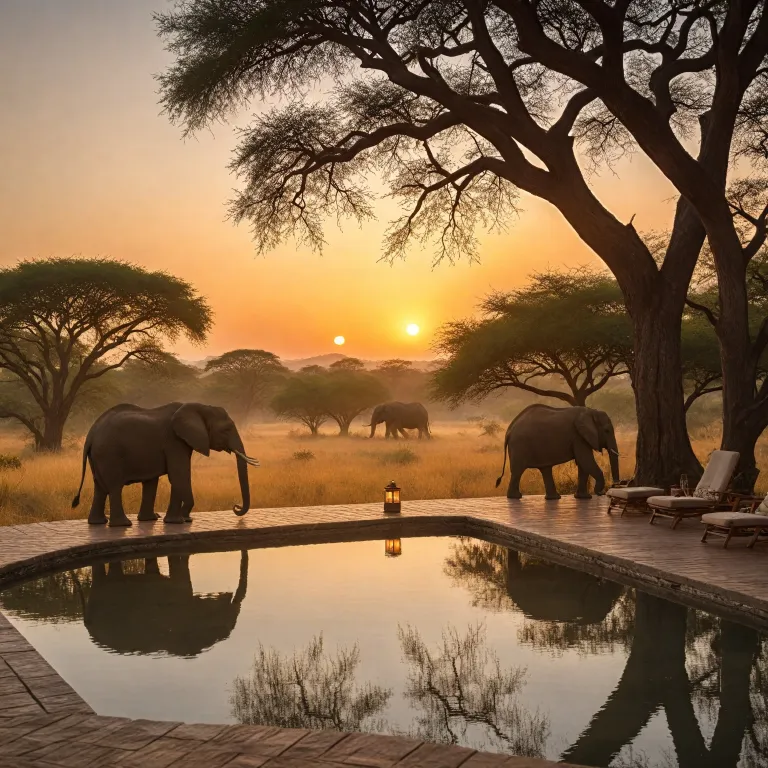
How the best time to visit Zimbabwe shapes a luxury itinerary
Choosing the best time to visit Zimbabwe is the single decision that most influences a premium stay. For a person planning high end lodges and private transfers, the time of year will define which region feels serene, which season offers refined safari experiences, and how your overall trip budget performs. In a country where wildlife, national parks, and Victoria Falls all respond to shifting weather patterns, aligning travel dates with your expectations is essential.
Zimbabwe sits in the heart of southern Africa, and its climate divides broadly into a dry season and a rainy season. The dry season runs from roughly May to October, bringing clear skies, cool nights, and excellent wildlife viewing in every major national park. During this period, water sources shrink, animals concentrate along rivers and pans, and luxury camps in Hwange National Park, Mana Pools, and Matusadona National Park offer some of the best safari experiences on the continent.
The rainy season, often called the green season, usually spans November to March and transforms the landscape. This is a great time for photographers who appreciate dramatic skies, lush vegetation, and fewer people in even the most sought after Zimbabwe safaris. However, some remote camps close during the wettest months, and travel times can lengthen, so a person seeking seamless service and short transfer days should work closely with a specialist when they plan to visit Zimbabwe in this season.
Dry season elegance: when wildlife viewing and comfort align
For many travellers, the best time to visit Zimbabwe for classic safaris is the dry season. From roughly May to October, daytime temperatures hover around the mid twenties Celsius, while nights can be crisp, which suits luxury suites with fireplaces, fine linens, and attentive turndown service. These stable conditions create an excellent time for combining multiple national park stays, including Hwange, Mana Pools, and Matusadona National Park on Lake Kariba.
In this dry season, wildlife viewing reaches a peak because animals gather at permanent water sources. A person staying in Hwange National lodges can watch elephants, buffalo, and predators move through open plains, often directly in front of elevated decks. On the Zambezi floodplains of Mana Pools, canoe safaris and guided walks offer intimate encounters, while Lake Kariba cruises pair well with premium houseboats and shoreline villas that highlight the best of inland water safaris in Africa.
Victoria Falls behaves differently during the dry season, and this matters for a luxury focused trip. From June to around September, the water flow is moderate, spray is reduced, and views of the rock face are clearer, which many consider the best time for photography at Victoria Falls. During these months, high end properties near Victoria Falls and along the Zambezi River are in strong demand, so it is wise to secure reservations several months ahead, especially if your travel party needs multiple suites or interleading rooms.
Green season charm: when the rainy season rewards patient travellers
Although many guides highlight the dry season as the best time to visit Zimbabwe, the rainy season offers its own refined pleasures. From roughly November to March, the first storms break the dust, and the landscape shifts into a vivid green season that feels softer and more romantic. For a person who values tranquillity, birdlife, and dramatic skies over dense wildlife viewing, this can be a great time to plan a trip.
During the early rainy season, wildlife disperses away from permanent water sources, but sightings in each national park remain rewarding, especially for predators and young animals. Luxury camps sometimes offer attractive rates in this season Zimbabwe period, which allows travellers to upgrade to higher room categories or extend their days in Hwange National or Mana Pools. The trade off is that some remote tracks become muddy, transfer times lengthen, and certain smaller properties around Lake Kariba or Matusadona National Park may close temporarily.
At Victoria Falls, the rainy season gradually increases the Zambezi’s volume, building towards the most dramatic flow. While heavy spray can limit visibility at the peak, many visitors enjoy the sheer power of the falls at this time, especially when combined with spa treatments and fine dining at riverside hotels. When you plan to visit Zimbabwe in the green season, it is important to discuss weather patterns, road access, and flight schedules with your travel advisor, so that every person in your party understands how the season will shape their experience.
Regional nuances: matching each destination to the right season
Understanding regional differences is crucial when deciding the best time to visit Zimbabwe for a multi stop luxury itinerary. Victoria Falls, Hwange National Park, Mana Pools, Lake Kariba, and Matusadona National Park each respond differently to the dry season and rainy season. Aligning these weather patterns with your expectations for wildlife, comfort, and crowd levels will help you design an excellent trip.
For Victoria Falls, many travellers regard June to September as the best time because the water flow is moderate and views are clear. This period also pairs beautifully with elegant lodges and refined safari stays, as outlined in guides such as elegant lodges in Victoria Falls Zimbabwe for a refined safari stay. In contrast, the late rainy season offers the most powerful curtain of water, which some people prefer, even though spray can limit photography.
Hwange National excels in the late dry season, when wildlife concentrates around pans and pumped water sources. This is often the best time for intense wildlife viewing from hideaways and sunken blinds, especially for elephants and predators. Mana Pools, by comparison, shines from about July to October, when the Zambezi levels drop, floodplains open, and walking safaris feel safe and controlled, making it a great time for active travellers who still expect premium guiding and personalised service throughout their Zimbabwe safaris.
Luxury booking strategies for peak and shoulder periods
Once you understand the best time to visit Zimbabwe for each region, the next step is to refine your booking strategy. Peak dry season months around Victoria Falls, Hwange National Park, and Mana Pools see strong demand from international travellers, especially those combining Zimbabwe with South Africa or other parts of Africa. During these weeks, a person seeking specific suites, private vehicles, or exclusive use villas should secure arrangements many months in advance.
Shoulder periods at the start and end of the dry season can offer an excellent balance between availability, price, and wildlife viewing. For example, late May or early June may still provide cool temperatures and reliable sightings, but with slightly fewer people in the most popular national parks. Similarly, late September can be a great time for intense wildlife viewing around shrinking water sources, although daytime temperatures rise, which makes air conditioned suites and shaded pools especially valuable.
In the green season from roughly November to March, luxury travellers can often negotiate more flexible terms and added value. Some properties around Lake Kariba and Matusadona National Park offer extended stay benefits, spa credits, or complimentary activities, which can transform a good trip into a truly excellent one. However, because weather patterns can affect flights and road transfers, it is wise to work with operators who use data analytics, historical weather information, and feedback from previous guests to fine tune each time visit Zimbabwe, ensuring that every person in your party remains comfortable.
Practical planning: climate, safety, and expert guidance
Climate data and on the ground expertise should guide your decision about the best time to visit Zimbabwe. Average dry season temperatures sit comfortably in the mid twenties Celsius by day, with cool nights that suit warm bedding and evening fires. Rainfall is minimal in this dry season, which keeps transfer times predictable and supports seamless connections between Victoria Falls, Hwange National Park, Mana Pools, and Lake Kariba.
During the rainy season, heavier showers can affect gravel airstrips and remote roads, but travel remains possible with proper planning. Is it safe to travel to Zimbabwe during the wet season? Yes, but be prepared for heavy rains and potential travel disruptions. Most national parks are open year round, although a few smaller lodges may close during the wettest weeks, so your advisor should confirm operational dates before you finalise a time visit Zimbabwe.
What is the best time to visit Victoria Falls? The best time to visit Victoria Falls is from June to September when the water flow is moderate, offering clear views. Are national parks open year round in Zimbabwe? Most national parks are open year round, but some lodges may close during the peak wet season. By combining these verified insights with your own preferences for wildlife viewing, spa time, cultural experiences, and crowd levels, you can shape a Zimbabwe safaris itinerary that feels both luxurious and deeply attuned to the rhythms of each season Zimbabwe.
Designing a personalised luxury journey across Zimbabwe’s seasons
Ultimately, the best time to visit Zimbabwe depends on how you like to travel and what you hope to feel. A person who dreams of intense wildlife viewing, cool evenings, and polished lodge service will likely favour the dry season in Hwange National Park, Mana Pools, and Matusadona National Park. Another traveller may prefer the green season’s softer light, dramatic storms, and quieter camps, even if wildlife disperses away from permanent water sources.
For many guests, a blended approach works beautifully, using a shoulder period that touches both the end of the dry season and the start of the rainy season. This can be a great time to pair Victoria Falls with Lake Kariba, enjoying powerful yet still manageable flow at the falls, followed by tranquil days on the water. When combined with expert guiding, attentive staff, and carefully chosen suites, this timing delivers an excellent balance between comfort, value, and immersion in Africa’s landscapes.
When you plan to visit Zimbabwe, consider how many days you can allocate, how you handle heat, and whether you prioritise privacy or atmosphere. Families may prefer cooler months and shorter transfer times, while couples might embrace warmer evenings and dramatic storms in the green season. By aligning your personal rhythm with Zimbabwe’s weather patterns and the operational calendars of its finest properties, you ensure that every time visit Zimbabwe feels like the best time, no matter which season you choose.
Key statistics for planning your stay in Zimbabwe
- Average high temperature in the dry season is around 25 °C, which suits daytime game drives and outdoor dining.
- Average low temperature in the dry season is about 7 °C, so luxury lodges often provide blankets and heaters for early morning safaris.
- Average rainfall in the dry season is close to 5 mm per month, supporting reliable transfers between major national parks and Victoria Falls.
Essential questions about the best time to visit Zimbabwe
What is the best time to visit Victoria Falls?
The best time to visit Victoria Falls is from June to September when the water flow is moderate, offering clear views. During these months, spray is reduced, paths are less slippery, and photographers can capture both the curtain of water and the underlying rock formations. This period also aligns well with peak wildlife viewing in nearby Hwange National Park, making it ideal for combined luxury safaris.
Is it safe to travel to Zimbabwe during the wet season?
Is it safe to travel to Zimbabwe during the wet season? Yes, but be prepared for heavy rains and potential travel disruptions. Roads in remote areas can become muddy, and some smaller airstrips may experience temporary closures, so travellers should allow extra time for transfers. Working with reputable operators and confirming seasonal lodge schedules will help ensure a smooth and comfortable journey.
Are national parks open year round in Zimbabwe?
Are national parks open year round in Zimbabwe? Most national parks are open year round, but some lodges may close during the peak wet season. Core areas of Hwange National Park, Mana Pools, and Matusadona National Park remain accessible, although certain activities such as walking safaris may be adjusted for safety. Travellers should check specific opening dates and activity options for their chosen properties when planning their trip.
Trusted resources for further planning
- Zimbabwe Tourism Authority – official tourism information and travel guidance.
- Zimbabwe Parks and Wildlife Management Authority – details on national parks and conservation areas.
- Meteorological Services Department of Zimbabwe – climate data and seasonal weather updates.