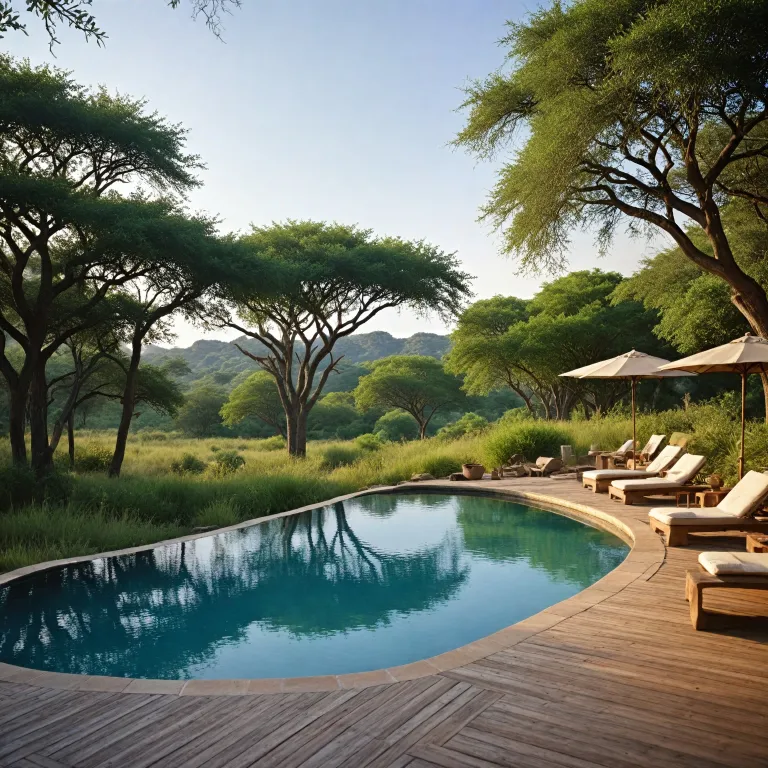
Eco luxury redefined: Zimbabwe’s commitment to sustainable hospitality
Zimbabwe’s landscape is a tapestry of national parks, wildlife reserves, and vibrant local communities. The rise of luxury eco hotels in Zimbabwe has transformed the travel experience for discerning guests seeking both comfort and environmental responsibility. These hotels and lodges, such as those operated by House of Chinhara Hotels and Singita, blend sophisticated design with eco friendly initiatives, ensuring that every stay leaves a positive impact on the environment and local communities. Solar power, water conservation, and wildlife conservation are at the heart of their operations, setting a new standard for eco conscious travel in Africa.
Guests can filter their choices by location, amenities, and sustainability credentials, ensuring their safari experience aligns with personal values. Properties like The Elephant Camp and Matetsi Victoria Falls offer immersive wildlife encounters while prioritizing eco friendly practices. The integration of solar power and water recycling systems reduces environmental impact, while partnerships with local conservation groups support the protection of Zimbabwe’s unique biodiversity. Each hotel and lodge is designed to harmonize with the natural surroundings, offering panoramic views of national parks and the iconic Victoria Falls.
Travelers are encouraged to support local initiatives and participate in eco friendly activities, from guided walks in Hwange National Park to community visits near Lake Kariba. The commitment to sustainability extends beyond the hotel walls, fostering a culture of conservation and respect for Zimbabwe’s natural heritage. With a growing demand for eco conscious travel, luxury eco hotels in Zimbabwe are leading the way in responsible tourism, providing unforgettable experiences that celebrate the country’s rich wildlife and landscapes.
Signature safari camps and lodges: immersive experiences in Zimbabwe’s wild heart
Zimbabwe’s luxury eco hotels are renowned for their exceptional safari camps and lodges, each offering a unique blend of comfort, adventure, and environmental stewardship. Changa Safari on Lake Kariba and Nyamatusi Camp in Mana Pools National Park exemplify the safari camp experience, where guests are immersed in the rhythms of the wild. These properties use solar power for energy, minimize waste, and engage in wildlife conservation efforts that protect endangered species and support local communities.
The safari lodge experience in Zimbabwe is defined by personalized service, gourmet cuisine, and exclusive access to some of Africa’s most pristine wilderness areas. Guests can explore the diverse ecosystems of Hwange National Park, home to a remarkable array of wildlife, or enjoy the tranquility of Fothergill Island, where eco friendly lodges offer a peaceful retreat. Each safari experience is carefully curated to minimize environmental impact while maximizing guest enjoyment and education about conservation.
For those seeking the ultimate in luxury and sustainability, properties like Matetsi Victoria Falls and the eco conscious hotel Victoria Falls provide seamless integration of modern amenities with traditional African hospitality. These lodges and camps are committed to reducing their environmental footprint through innovative practices and ongoing investment in renewable energy. By choosing a luxury eco hotel in Zimbabwe, travelers contribute to the preservation of the country’s natural treasures and the well-being of its people. For more on responsible travel options, explore our Zimbabwe eco travel guide.
Victoria Falls and beyond: exploring Zimbabwe’s iconic natural wonders
Victoria Falls stands as one of the world’s most breathtaking natural spectacles, drawing visitors from across the globe. Luxury eco hotels in Zimbabwe offer unparalleled access to this UNESCO World Heritage site, with many properties situated within walking distance of the falls or nestled along the banks of the Zambezi River. The hotel Victoria Falls and The Elephant Camp provide guests with eco friendly accommodations and curated experiences that showcase the majesty of the falls while promoting environmental stewardship.
Beyond Victoria Falls, Zimbabwe’s national parks offer a wealth of opportunities for adventure and relaxation. Hwange National Park, the country’s largest reserve, is renowned for its abundant wildlife and sustainable safari lodges. Mana Pools National Park, a haven for elephants and other iconic species, is home to eco conscious camps that prioritize conservation and community engagement. Guests can filter their travel plans to include visits to these remarkable destinations, ensuring a diverse and enriching safari experience.
Lake Kariba and Fothergill Island present unique opportunities for water-based activities and wildlife viewing, with eco friendly lodges providing comfortable bases for exploration. The integration of solar power, water conservation measures, and support for local conservation initiatives ensures that every stay contributes to the long-term health of Zimbabwe’s natural ecosystems. For more inspiration on luxury eco hotels in Zimbabwe, visit our Zimbabwe luxury eco accommodation page.
Wildlife conservation and community engagement: the heart of eco hospitality
At the core of Zimbabwe’s luxury eco hotels is a deep commitment to wildlife conservation and community empowerment. Properties like Singita and Matetsi Victoria Falls partner with local organizations to protect endangered species and restore natural habitats. Their efforts extend to supporting anti-poaching initiatives, funding research, and providing employment opportunities for local residents. This holistic approach ensures that the benefits of tourism are shared equitably and sustainably.
Guests are invited to participate in conservation activities, from guided wildlife monitoring to educational programs on environmental impact and eco friendly practices. The safari camp and lodge experience is enriched by interactions with local guides and conservationists, who share their knowledge and passion for Zimbabwe’s natural heritage. "A luxury eco-friendly hotel combines high-end amenities with sustainable practices, such as energy efficiency, waste reduction, and support for local communities." This philosophy is evident in every aspect of the guest experience, from the use of renewable energy to the sourcing of local, organic ingredients for meals.
Community engagement is a cornerstone of eco hospitality in Zimbabwe. Hotels and lodges invest in education, healthcare, and infrastructure projects that improve the quality of life for nearby communities. By choosing a luxury eco hotel, travelers become partners in conservation and development, leaving a lasting positive impact on both people and the planet.
Innovative eco friendly practices: leading the way in sustainable travel
Luxury eco hotels in Zimbabwe are at the forefront of innovation, integrating cutting-edge technologies and practices to minimize their environmental footprint. Solar power is widely used to provide clean, renewable energy for guest rooms, common areas, and operational needs. Water conservation is achieved through rainwater harvesting, efficient irrigation systems, and the use of eco friendly cleaning products. Waste reduction initiatives include composting, recycling, and the elimination of single-use plastics.
Many properties have achieved sustainability certifications from recognized environmental organizations, providing guests with confidence in their eco conscious choices. "Look for certifications from recognized environmental organizations, review their sustainability reports, and check for third-party audits." This transparency is essential for building trust and ensuring that sustainability claims are backed by measurable results. Hotels and lodges also collaborate with local artisans and suppliers, promoting economic development and cultural preservation.
The impact of these initiatives extends beyond the hotel grounds, contributing to the health of Zimbabwe’s national parks and wildlife populations. By adopting eco friendly technologies and supporting conservation efforts, luxury eco hotels set a benchmark for responsible tourism in Africa. Guests can enjoy a safari experience that is both indulgent and mindful, knowing that their stay supports the long-term protection of Zimbabwe’s natural resources.
Personalized luxury: tailored experiences for the eco conscious traveler
Every guest at a luxury eco hotel in Zimbabwe is treated to a personalized experience that reflects their interests and values. From private game drives in Hwange National Park to sunset cruises on Lake Kariba, each activity is designed to showcase the beauty and diversity of Zimbabwe’s landscapes. The safari lodge and camp teams work closely with guests to create bespoke itineraries that balance adventure, relaxation, and cultural immersion.
Eco conscious travelers can filter their options to find hotels and lodges that align with their sustainability goals. Whether seeking a secluded safari camp in Mana Pools or a riverside retreat near Victoria Falls, there are accommodations to suit every preference. The integration of local culture and traditions enhances the guest experience, with opportunities to participate in community projects, sample regional cuisine, and learn about Zimbabwe’s rich history.
While luxury eco hotels may represent a higher investment, the value lies in supporting environmental impact and wildlife conservation initiatives. "While some eco-friendly hotels may have higher rates due to sustainable investments, many offer competitive pricing, and the value lies in supporting environmental and community initiatives." Guests leave with memories of extraordinary wildlife encounters, breathtaking landscapes, and the satisfaction of making a positive difference. The future of travel in Zimbabwe is defined by sustainability, authenticity, and a deep respect for the natural world.
Planning your stay: tips for booking luxury eco hotels in Zimbabwe
Booking a luxury eco hotel in Zimbabwe requires careful consideration of location, amenities, and sustainability credentials. Begin by researching properties in your desired region, such as Victoria Falls, Hwange National Park, or Mana Pools. Use online platforms to filter options based on eco friendly features, guest reviews, and proximity to key attractions. Contact hotels directly to inquire about their conservation initiatives and community engagement programs.
Verify the sustainability certifications of accommodations and review their environmental impact reports. Engage in eco friendly activities offered by hotels, such as guided nature walks, wildlife monitoring, and cultural experiences with local communities. Support local businesses by choosing hotels that source products and services from nearby suppliers, contributing to the economic development of the region.
Plan your safari experience with the help of knowledgeable guides and travel advisors who understand the unique challenges and opportunities of eco conscious travel in Zimbabwe. Be mindful of your own environmental impact by minimizing waste, conserving water, and respecting wildlife habitats. By choosing a luxury eco hotel, you become part of a global movement toward responsible tourism, ensuring that Zimbabwe’s natural wonders are preserved for generations to come.
Key statistics on luxury eco hotels in Zimbabwe
- Number of luxury eco-friendly hotels in Zimbabwe: 5 hotels
- Average occupancy rate of luxury hotels in Zimbabwe: 75%
Frequently asked questions about luxury eco hotels in Zimbabwe
What defines a luxury eco-friendly hotel?
A luxury eco-friendly hotel combines high-end amenities with sustainable practices, such as energy efficiency, waste reduction, and support for local communities.
How can I verify a hotel's sustainability claims?
Look for certifications from recognized environmental organizations, review their sustainability reports, and check for third-party audits.
Are eco-friendly hotels more expensive?
While some eco-friendly hotels may have higher rates due to sustainable investments, many offer competitive pricing, and the value lies in supporting environmental and community initiatives.